10 unmistakable signs your dog misses you
Being greeted at the door with a whirlwind of wiggles, wagging tails, and a look that says, “Where on earth have you been?” is a scenario almost every dog parent experiences daily—if not hourly. You’ve probably sensed your furry friend is trying to tell you something. So let’s answer the big question: Do dogs miss people? Spoiler alert: Yes—and here are the 10 most common signs your dog is missing you.
Do dogs miss their owners?
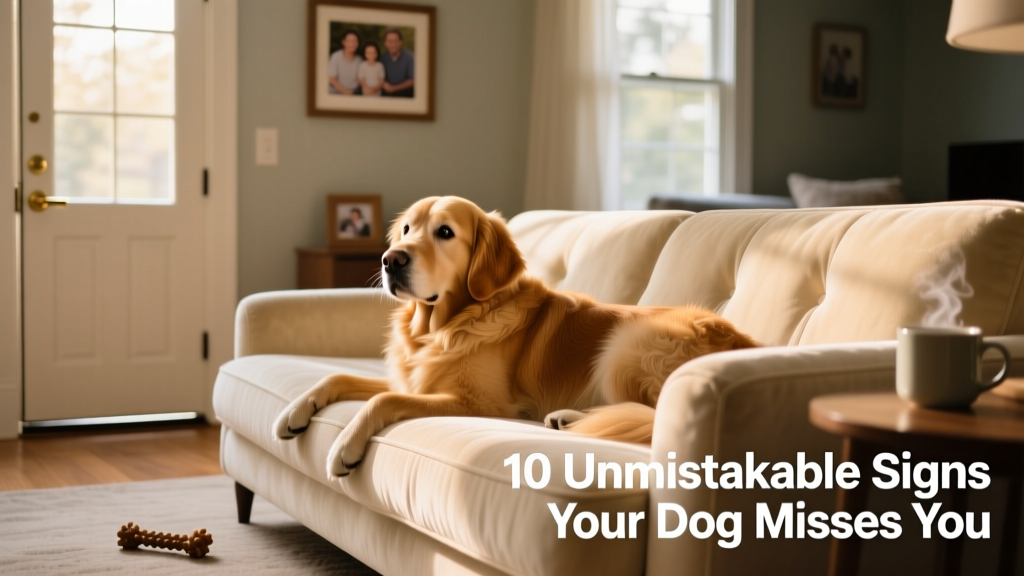
We might head home early with the excuse that “Fido will be wondering where we’ve got to”—but is that just wishful thinking? Or is it really true that our beloved best buddy feels our absence deeply?
The answer is yes: dogs absolutely miss their owners when they’re gone. Research cited by Psychology Today shows that the longer a dog is left alone, the more intensely they express relief and joy upon reunion—proof that time apart truly matters to them. So if your pup misses you, how can you tell?
10 signs your dog misses you
- They’re down in the dumps
Dogs wear their hearts on their sleeves—or rather, in their eyes. If your dog seems unusually subdued, with droopy ears, slow movements, and soulful, puppy-dog eyes, they may be feeling low without you. A little extra cuddling, gentle massage, and quiet companionship can go a long way. - Sitting in front of the door or window
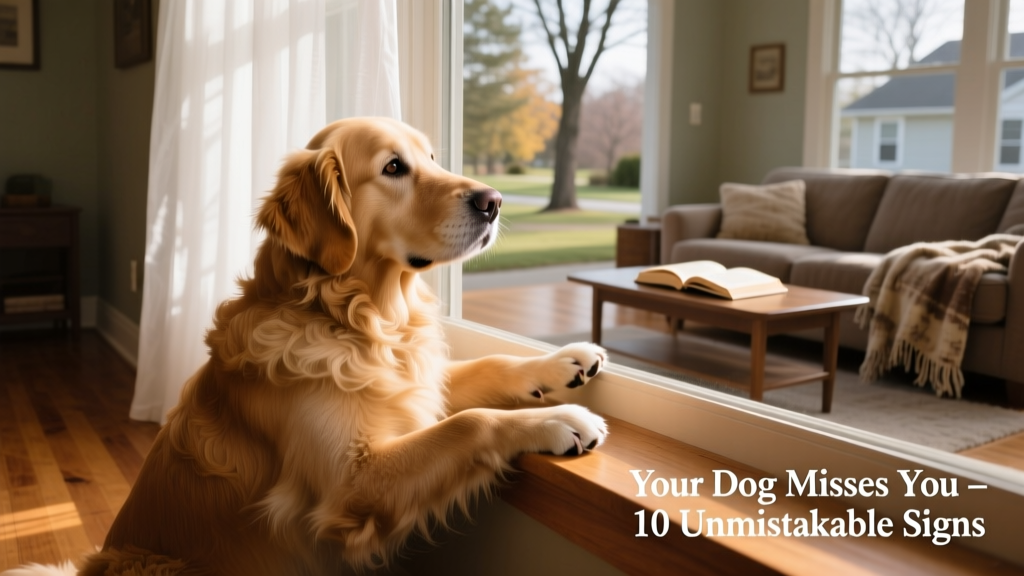
Your dog may plant themselves firmly by the front door or gaze intently out the window, waiting for your return. It’s not just curiosity—it’s hope, anticipation, and devotion all rolled into one quiet vigil. - Sleeping on your (most used) belongings
Ever wonder why your dog curls up on your sweatshirt or burrows under your pillow? They’re drawn to your scent—it’s comforting, familiar, and a powerful emotional anchor when you’re not around. - Destructive behavior
Boredom and separation anxiety can trigger chewing, scratching, or digging—not out of spite, but as a stress response. Left unchecked, this behavior can risk injury or ingestion of unsafe items, so it’s important to address the root cause early. - Escaping
Some dogs become determined escape artists, trying to break free from the yard or house in hopes of finding you. This same drive may surface during walks with others—so always alert family members, friends, or FurPetVo pet sitters if your dog has a history of bolting.
- Whining when you leave
Before you’ve even stepped out the door, your dog may whine, pace, or cling to you as you pack your bag, put on your coat, or grab your keys. Their vocalizations aren’t demands—they’re heartfelt expressions of distress at the thought of being left behind. - Ignoring you
It’s not indifference—it’s emotional self-protection. Your dog might suddenly “discover” a toy or obsessively lick their paws the moment you walk in, as if saying, “I’m fine—I didn’t miss you *that* much.” It’s their quiet way of coping. - Freaking out when you get home
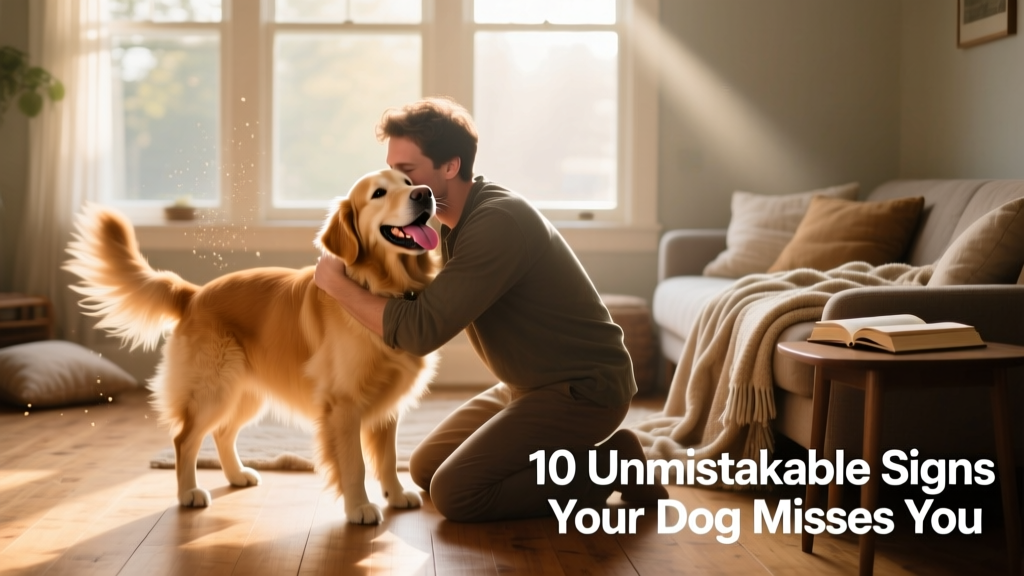
That joyful chaos—leaping, barking, spinning, maybe even bringing you a “welcome gift”—is pure, unfiltered relief. Their excitement isn’t just happiness; it’s the emotional release of reunion after a meaningful absence. - Shadowing you
“Velcro dogs” follow their people from room to room—even into the bathroom. While endearing, this intense attachment can signal difficulty coping with separation. Gentle independence training helps build confidence. - Going on a hunger strike
Loss of appetite is a real sign of emotional distress in dogs. Anxiety or sadness may cause them to turn away from meals—even their favorite treats—until they feel safe and connected again.
Many of these behaviors overlap with clinical separation anxiety. Watch closely for excessive repetition, self-harm (like obsessive paw licking or tail biting), or anxious panting and trembling. If these signs persist or worsen, consult your veterinarian or a certified animal behaviorist for personalized support.
What can you do to help?
- Give your dog plenty of physical and mental exercise before you leave.
- Create a calm, comfortable space with soft bedding, fresh water, and access to shade or warmth.
- Leave behind an item that smells like you—like an old T-shirt—to provide comfort and familiarity.
- Play calming music or Dog TV to soothe background noise and reduce environmental triggers.
- Offer puzzle toys, treat-dispensing balls, or frozen Kongs to keep them mentally engaged.
- Keep departures and returns low-key—no prolonged goodbyes or over-the-top greetings.
It’s clear our four-pawed companions feel our absence deeply. That’s why choosing compassionate, reliable care matters—especially when life takes you away. With FurPetVo (furpetvo.com), you’ll find trusted, vetted pet sitters who give your dog the love, routine, and attention they rely on—so you can travel with peace of mind and come home to a happy, well-cared-for pup.
Signs your dog misses you — FAQs
Do dogs think about their owners while they are away?
Absolutely. Dogs are deeply social animals with strong emotional bonds. Their world revolves around their people—and studies confirm they display increasingly intense reunion behaviors the longer they’re apart. Chances are, you’re top of mind—even when you’re miles away.
Does my dog miss me?
Yes—even if they don’t show textbook signs like door-sitting or dramatic greetings. Every dog expresses attachment differently. Quiet observation, subtle shifts in routine, or simply seeking you out more often can all signal that you’re missed.