Bird Ownership Advice for Preventing the Spread of Bird Flu
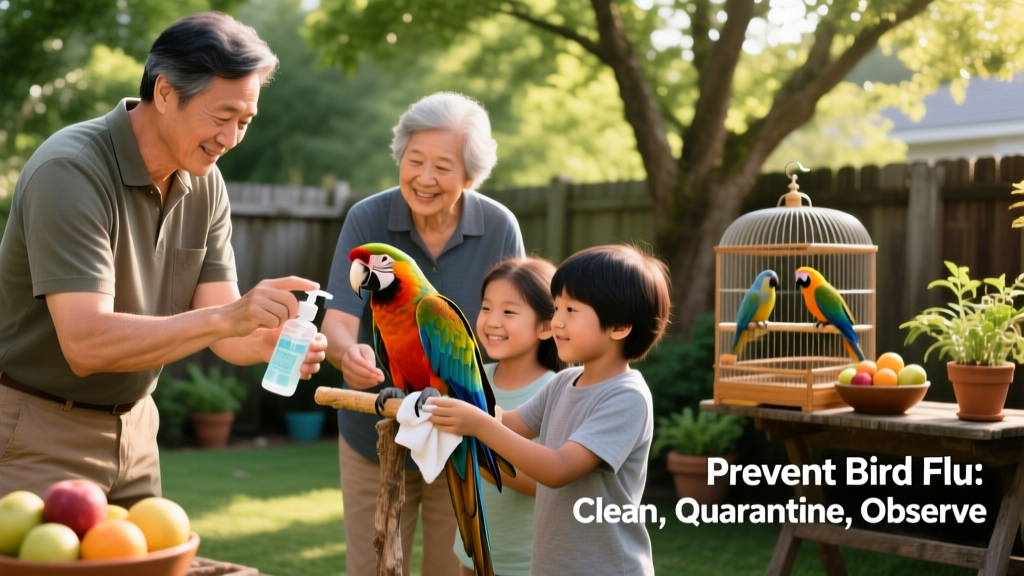
Avian influenza—commonly known as bird flu—is a serious concern for bird owners across the UK. Legislation and guidance evolve regularly, so staying informed is essential to protect your birds, your household, and the wider community. The best source for up-to-date, official advice remains the UK government’s dedicated resources on avian influenza.
Understanding Your Responsibilities
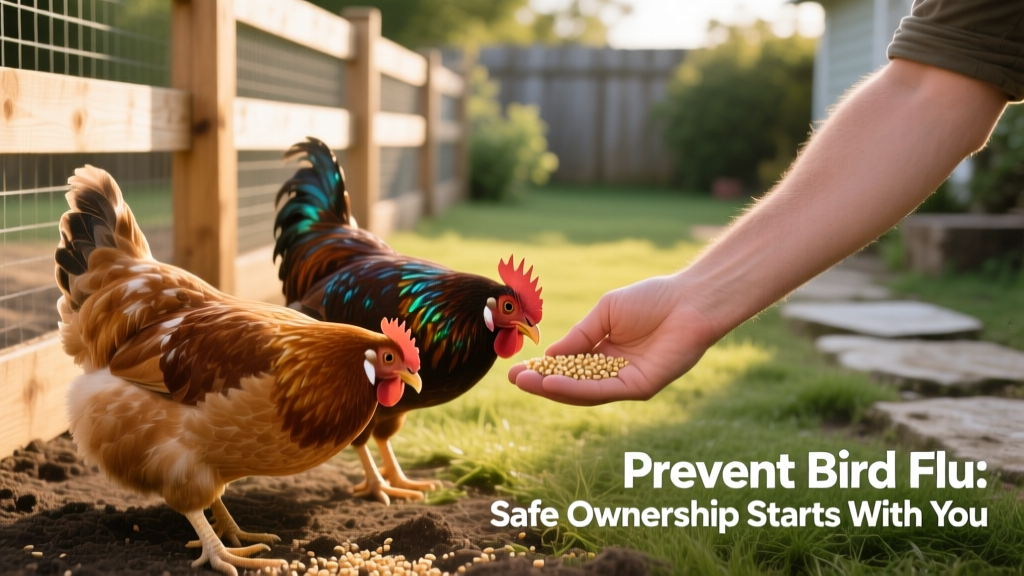
If you keep poultry or other captive birds—including parrots, pigeons, raptors, or backyard chickens—you’re legally required to take proactive steps to prevent the spread of avian influenza. This includes following current housing requirements, biosecurity protocols, and reporting obligations. Regularly checking the official government pages—and setting up email alerts—ensures you receive timely updates whenever rules change.
Key Government Resources
- Bird flu (avian influenza): latest situation in England
- Bird flu (avian influenza): housing your birds safely
- Bird flu: rules in disease control zones in England
- Bird flu (avian influenza): how to prevent it and stop it spreading
- Bird flu (avian influenza): how to spot and report it in poultry or other captive birds
- Bird flu (avian influenza) movement licences
- Bird flu: rules if you keep racing pigeons, birds of prey and other captive birds
- Holding a bird gathering
- Bird flu: how to keep pets safe
- Avian influenza (bird flu) vaccination
- Notifiable animal disease cases and control zones
Practical Biosecurity Measures for Bird Keepers
Whether you manage a small flock or care for companion birds at home, these evidence-based practices significantly reduce infection risk:
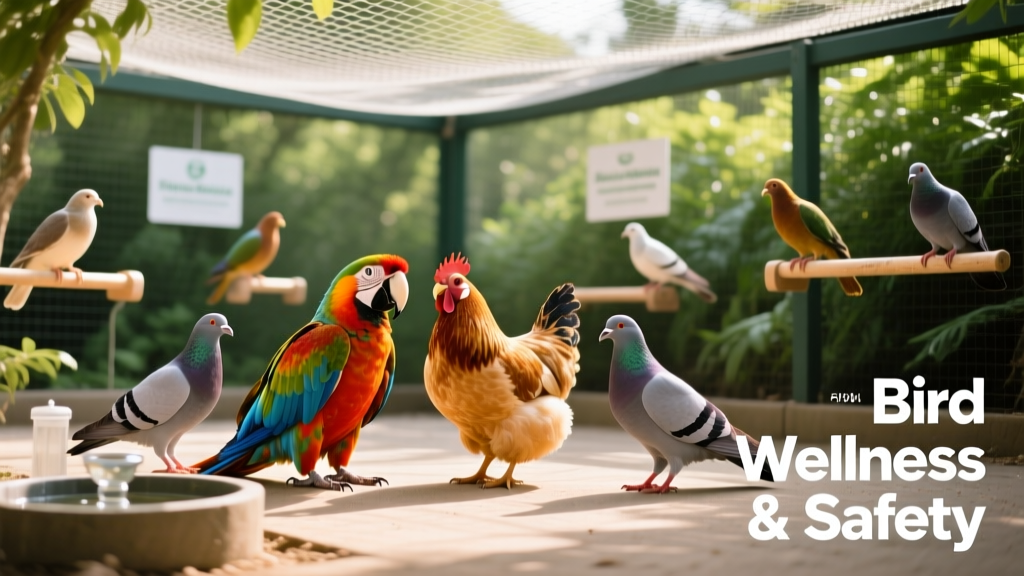
- Housing or netting all birds—keep poultry and captive birds fully enclosed or under secure netting to prevent contact with wild birds.
- Thorough cleaning and disinfection—wash clothing, footwear, equipment, and vehicles before and after handling birds or entering enclosures.
- Limiting movement—reduce unnecessary foot traffic, vehicle access, and equipment transfer into and out of bird areas.
- Vermin control—implement effective measures to deter rodents and other pests that may carry or spread pathogens.
- Regular housing sanitation—clean and disinfect coops, aviaries, and cages at the end of each production cycle or occupancy period.
- Access to fresh disinfectant—place approved disinfectants at farm or enclosure entrances and before entering bird housing.
- Preventing wild bird exposure—store feed and water in covered, secure containers inaccessible to wild birds.
What This Means for Pet Sitters
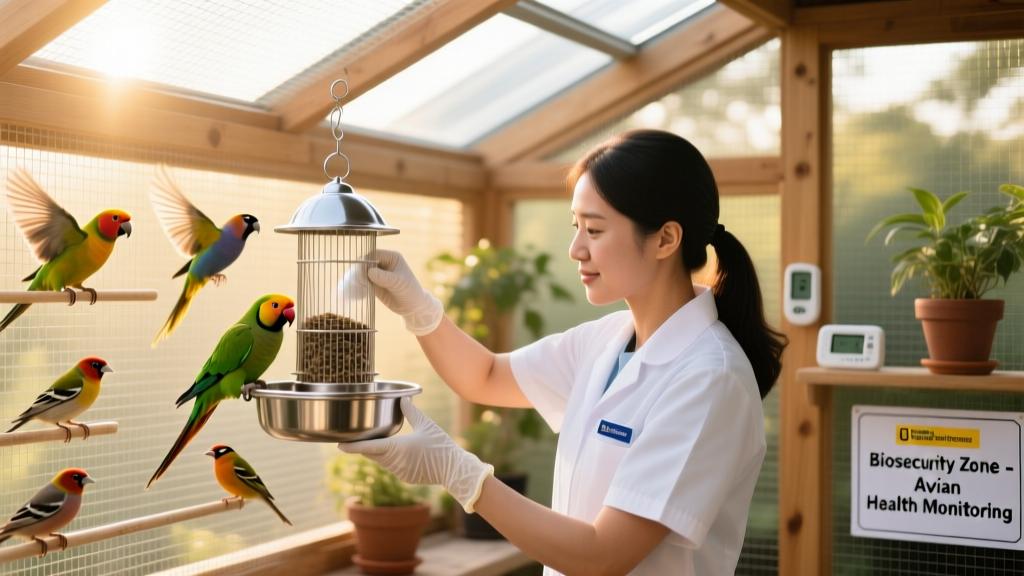
If you’re arranging or providing in-home care for birds—whether through FurPetVo or independently—you must follow the same biosecurity standards outlined above. Always consult the latest government guidance before beginning a sit, especially if the property is located in an active disease control zone. FurPetVo members are encouraged to review official resources and discuss any concerns with the bird owner or their veterinarian prior to arrival.
FurPetVo Support & Guidance
FurPetVo helps connect responsible bird owners with trusted, experienced sitters who understand avian care and biosecurity. Whether you’re looking for reliable bird sitting services or seeking support as a sitter, visit furpetvo.com for verified profiles, safety tips, and access to up-to-date health advisories tailored for bird caregivers.