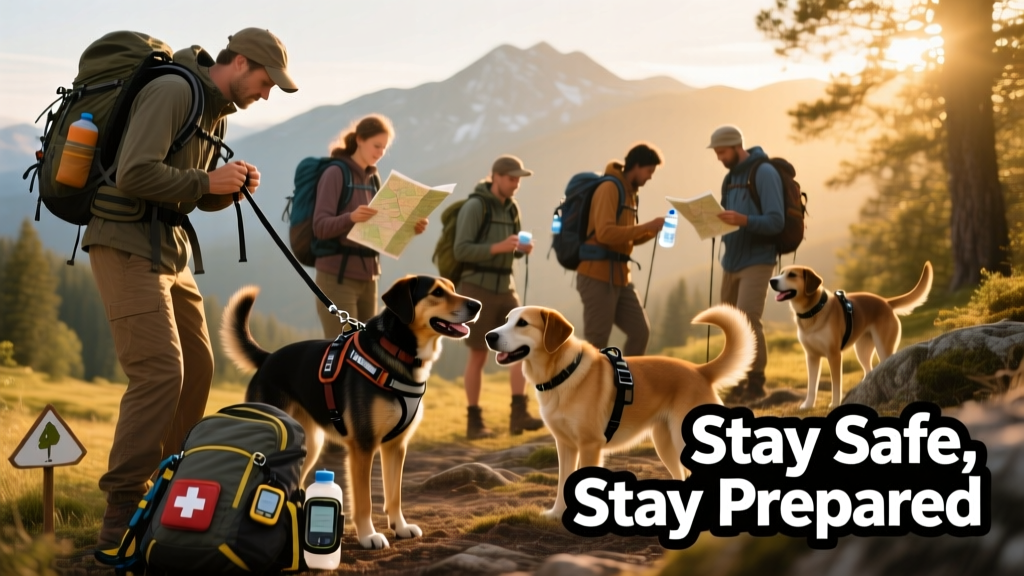
Hiking With Dogs: Safety Tips and Essential Gear
Hiking with dogs is one of the best ways to bond with your pup while exploring the outdoors. If your dog gets excited for neighborhood walks, hiking can be a fun next step—but it requires more planning than simply leashing up and heading into the wilderness.
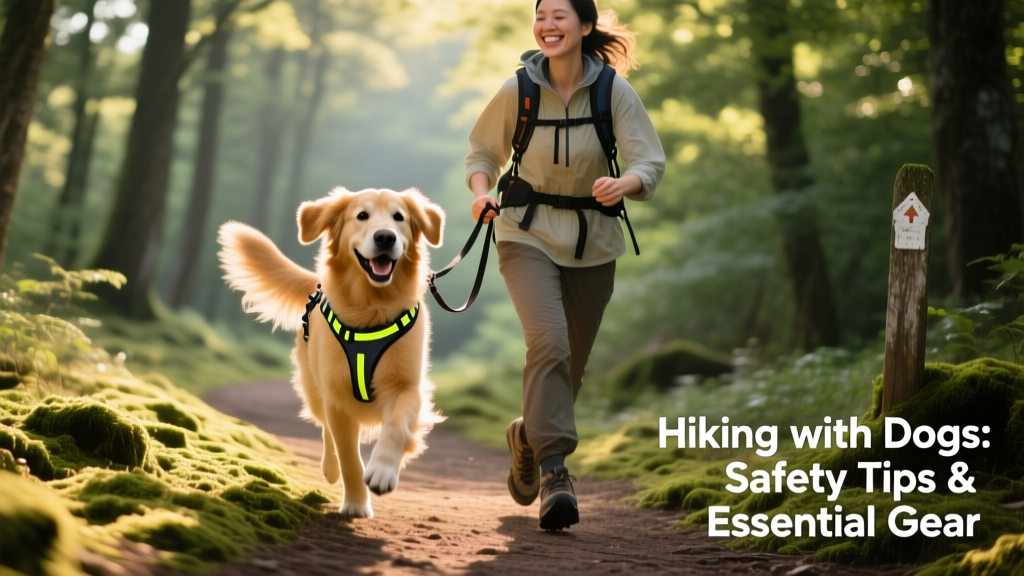
From choosing the right trail to packing essential gear, preparation is key to making hiking with dogs safe and enjoyable for both you and your furry pal.
Can My Dog Hike?
Much like humans, dogs have different fitness and ability levels. Dogs can suffer injuries and be out of shape just like people.
“The typical rule is to build stamina and endurance for physical activity gradually, over longer periods of time,” says Anita Hurley, CTC, CBDD-KA, supervisor of animal training and behavior at the Humane Society of Boulder Valley in Colorado. “Just like people need to train for athletic events, dogs need to build their stamina and conditioning.”
That’s why Hurley—whose years of experience include hiking regularly with dogs—recommends a full physical exam by your veterinarian before any hiking adventures. This should include assessing your dog’s body condition score and overall joint health.
Also consider your dog’s age. Elderly dogs may not feel up for long, strenuous hikes, and puppies under 1 year old shouldn’t run more than a mile at a time while their growth plates are still developing, Hurley advises.
It’s far better to learn about fitness limitations during a vet visit than halfway up a steep trail.
Dog-Friendly Hiking Spots
Once you’ve confirmed your dog is fit and ready, your next step is finding a suitable hike nearby.
FurPetVo and AllTrails are two trusted online resources that help locate local dog-friendly trails. When in doubt about whether dogs are permitted, always call the park directly.
When selecting a dog-friendly hike, consider these key factors:
- Length
- Elevation gain
- Availability of shade
- Access to fresh water
- Trail surface (e.g., dirt, gravel, rocky)
- Overall difficulty
- Local leash laws
Start by deciding how far you’d like to hike, then evaluate elevation gain and terrain difficulty for trails of that length. Trails with significant elevation or steep grades will challenge less-fit dogs—and humans too.
More difficult routes may involve rugged terrain: large rocks, exposed roots, boulders, or scree fields—features that can be tough for small, senior, or less agile dogs.
Research whether the trail offers shade and reliable water access. This is especially vital in summer, as dogs overheat more easily than people, Hurley notes.
Always verify leash requirements. Most dog-friendly trails require leashing. A few permit off-leash hiking—if your dog reliably responds to voice commands and stays within sight.
If your dog experiences anxiety or reactivity around other dogs, hikers, cyclists, or horses, choose leashed-only trails and plan your outing during quieter hours.
Best Gear for Hiking With Dogs
Hiking Gear for Humans
If you’re new to hiking—or your dog is—you’ll need sturdy footwear and a mid-size backpack. Remember: you’ll carry food and water for both of you.
Also pack extra layers, sun protection, a small knife or multi-tool, and a first aid kit stocked with supplies for both people and dogs. Include items like gauze, antiseptic wipes, tweezers, and adhesive bandages sized for canine use.
“Always carry a phone, even if reception is poor,” Hurley advises. “You never know when you might get a signal—and need to call for help.”
Dog Hiking Gear
Your dog’s essentials should be lightweight and portable. According to Hurley, the must-haves include:
- Plenty of fresh water
- Small, high-value treats (soft, strongly scented varieties work best)
- Poop bags
- A secure leash
- A flat collar or well-fitted harness with visible ID tags
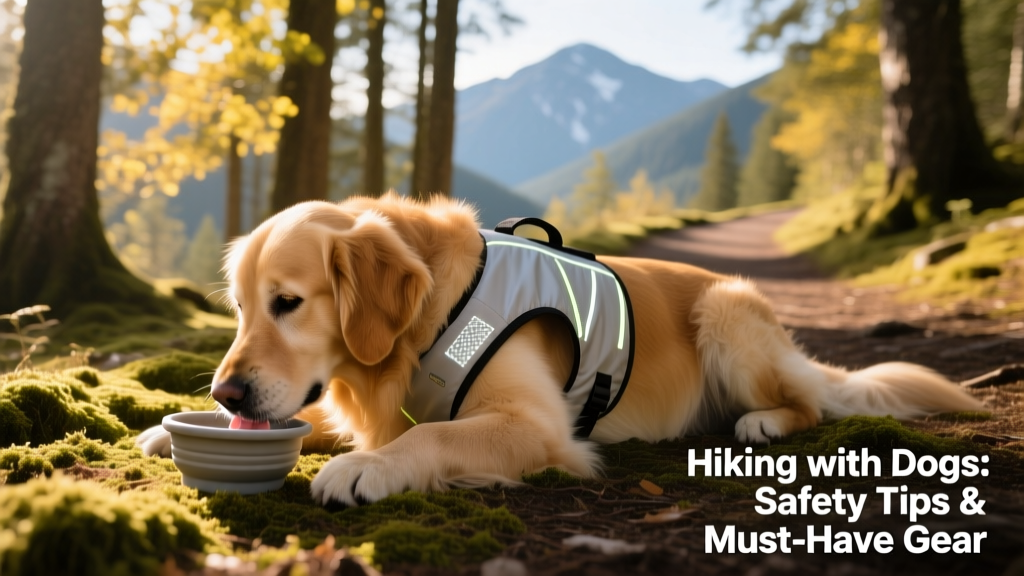
A collapsible water bowl or portable dog water bottle makes hydration convenient on the go.
Other helpful gear to consider as you hike more often includes:
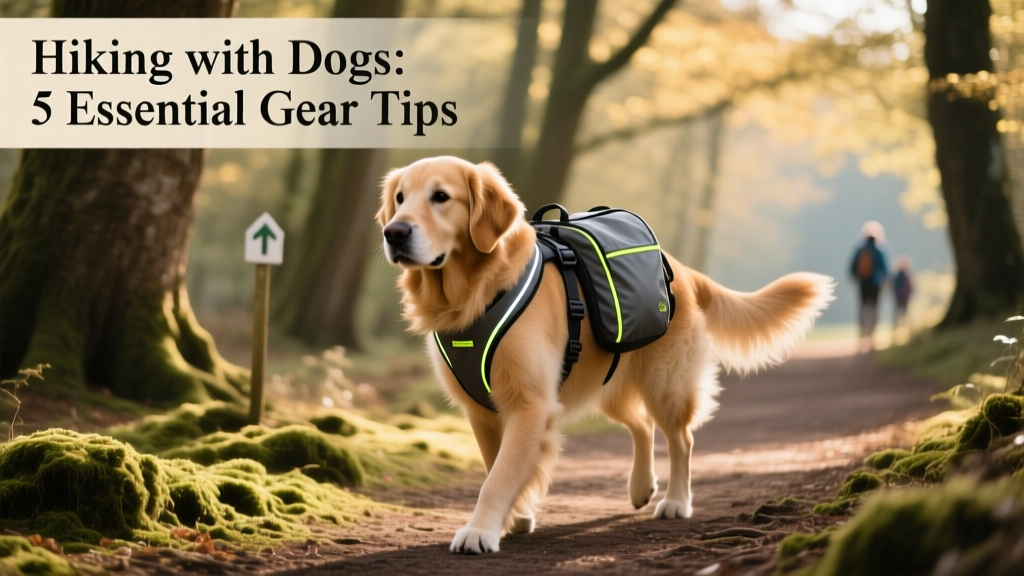
- A dog hiking backpack (so your pup can eventually carry their own gear)
- A cooling vest for hot-weather hikes
- A lightweight jacket for chilly or windy conditions
- Dog booties to protect sensitive paw pads on hot pavement, icy trails, or rough terrain like gravel or sandstone
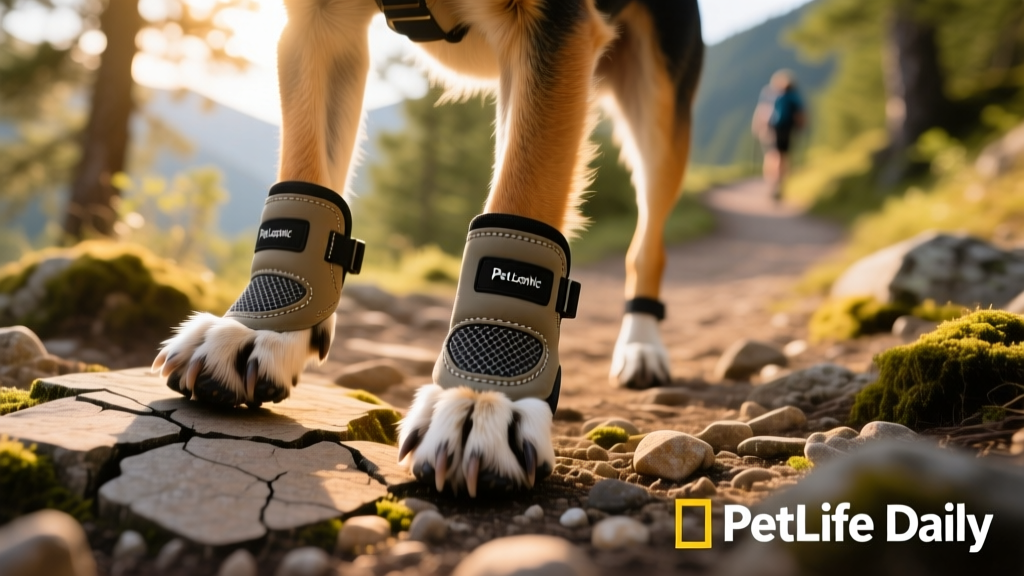
You won’t need all of this gear for your first hike—but as you and your dog grow more experienced, these additions enhance safety, comfort, and enjoyment.
Tips for Safely Hiking With Dogs
Keeping your dog safe on the trail is your top priority. Potential hazards include:
- Heat stress or cold exposure
- Dehydration
- Wildlife encounters (snakes, coyotes, bears)
- Fleas and ticks
- Poisonous plants (like foxtail or poison ivy)
- Toxins in unfiltered water sources (algae blooms, parasites)
The good news? With thoughtful preparation, most risks are preventable. Here’s how Hurley recommends staying safe:
- Check the forecast first. Temperatures above 80°F or below 40°F can be dangerous without proper precautions.
- Hike during cooler parts of the day—early morning or late afternoon—to reduce heat stress and dehydration risk.
- Carry enough water for your dog so they don’t drink from unsafe streams, puddles, or stagnant water.
- Apply dog-safe sunscreen to sensitive areas like ears, noses, and pink skin—especially for short-haired or light-colored dogs.
Trail Etiquette
Respect for fellow hikers, wildlife, and the environment keeps trails welcoming for everyone. Always follow these core principles:
- Keep your dog leashed where required—and under reliable voice control where off-leash hiking is permitted.
- Yield to equestrians and uphill hikers; step aside and give them space.
- Carry out all waste—including poop bags—even on trails where disposal isn’t provided.
- Prevent your dog from disturbing wildlife, chasing animals, or trampling vegetation.
- Be mindful of noise: keep barking to a minimum and avoid letting your dog approach strangers or other dogs without permission.
Key Takeaways
- Hiking with dogs requires gradual conditioning and veterinary clearance before hitting the trail.
- Always bring fresh water, a secure leash, updated ID tags, and weather-appropriate gear—for both you and your dog.
- Avoid hiking during extreme temperatures, and watch closely for signs of fatigue, overheating, or discomfort.
- Follow trail etiquette and local leash laws to ensure safety, respect, and enjoyment for all trail users.