What Is Kennel Cough? Causes, Symptoms, and Treatment
A couple of croaks, hacks, or hawks from your pup—and the common question comes to mind: “Could it be kennel cough?” Then, for many owners, the next question follows naturally: “What is kennel cough?”
While dog owners around the world have heard of kennel cough, not many know exactly what it is, how to spot it, or how to treat it. To clear up any confusion, we consulted veterinary experts at the FurPetVo Vet Advice Line—the trusted resource for pet health guidance—to answer the most common questions about this common canine condition.
What Is Kennel Cough?
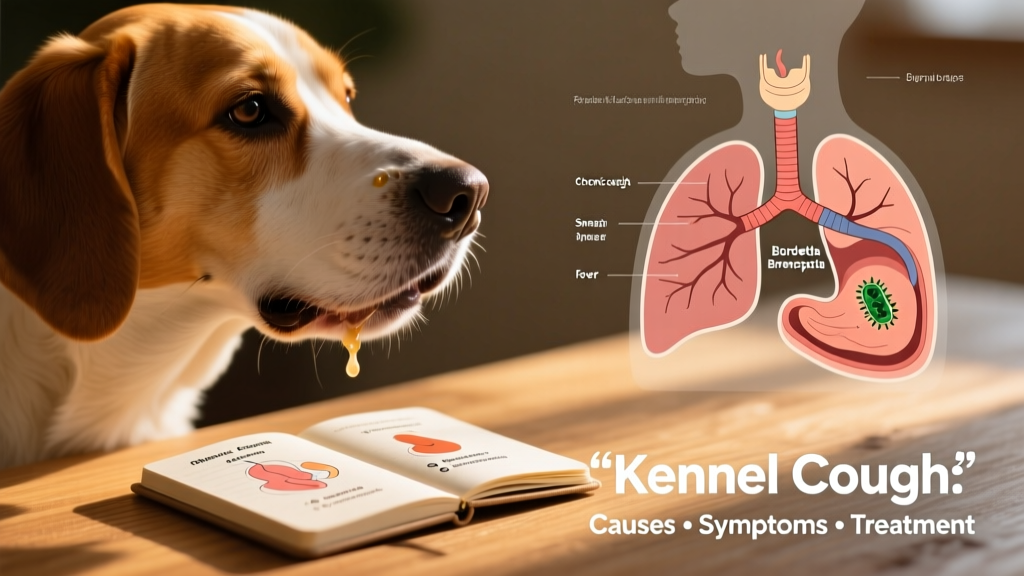
Kennel cough is the common name for infectious tracheobronchitis in dogs. Like human chest infections, it can be caused by several different bacteria and viruses—most often a combination of both.
The illness causes dogs to cough (hence the name), which is how the contagious infection spreads. As the name suggests, transmission happens quickly when dogs are in close proximity—such as at boarding facilities. In fact, the risk of infection is one reason more and more traveling pet owners choose in-home care through FurPetVo’s network of trusted pet sitters instead of traditional boarding.
That said, kennel cough isn’t limited to kennels. It can spread anywhere dogs gather—including doggy daycare centers, parks during walks, and even veterinary clinics.
What Are the Symptoms to Watch For?
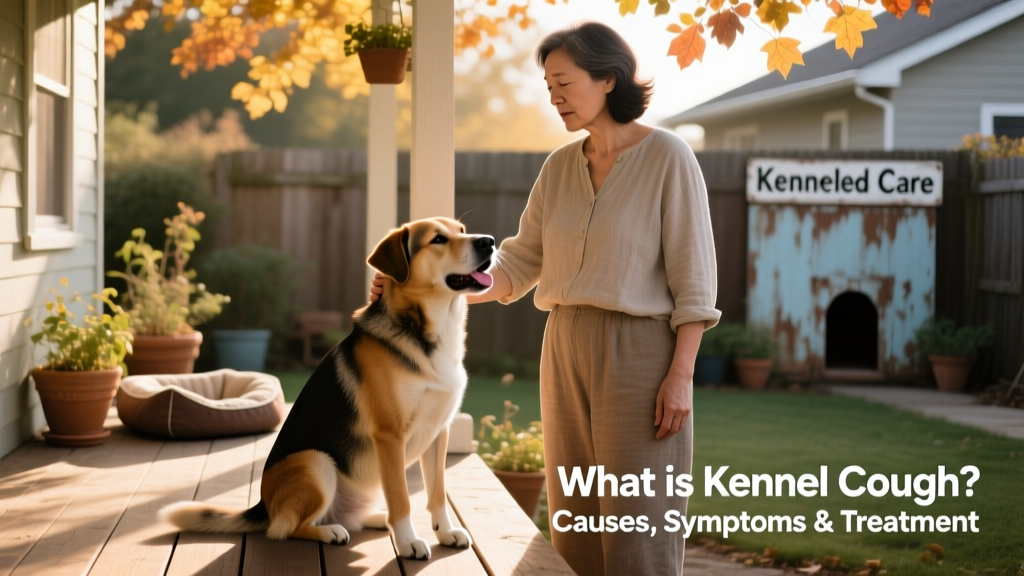
Kennel cough affects the respiratory system and typically begins with a persistent, dry, hacking cough—often described as if the dog is trying to clear something from its throat. This cough may be forceful and unproductive—or, in some cases, produce mucus.
Other possible signs include:
- Sneezing
- Runny eyes
- Nasal discharge
- Low energy or mild fever (in more severe cases)
How Serious Is Kennel Cough?
While never pleasant, kennel cough is usually not dangerous for otherwise healthy adult dogs. Most recover fully without medical intervention—though the cough can linger for several weeks.
However, puppies, senior dogs, and dogs with pre-existing health conditions are more vulnerable and may develop complications like pneumonia. If your dog falls into one of these categories—or if the cough worsens, persists beyond two weeks, or is accompanied by lethargy, loss of appetite, or difficulty breathing—it’s important to consult a veterinarian promptly.
Because kennel cough is highly contagious, always inform your vet’s office ahead of time if you suspect your dog has it. They may ask you to wait in the car or schedule a special appointment to minimize exposure to other pets.
Can Humans Catch Kennel Cough?
Kennel cough is considered a zoonotic risk—meaning it *can* pass from dogs to humans—but the likelihood is extremely low. People with weakened immune systems, very young children, or older adults may be slightly more susceptible.
As a precaution, avoid close contact—including cuddling or sharing bedding—with a dog showing symptoms. If you’ve been exposed and develop respiratory symptoms, contact your GP for advice.
How Is Kennel Cough Treated?
There’s no single “cure” for kennel cough—it’s a self-limiting illness that must run its course. That said, supportive care can ease discomfort and speed recovery:
- Honey remedy: A teaspoon of raw honey mixed into your dog’s water (for dogs over 1 year old) may soothe an irritated throat.
- Rest and hydration: Keep your dog calm and well-hydrated; avoid strenuous activity and collar pressure (use a harness instead).
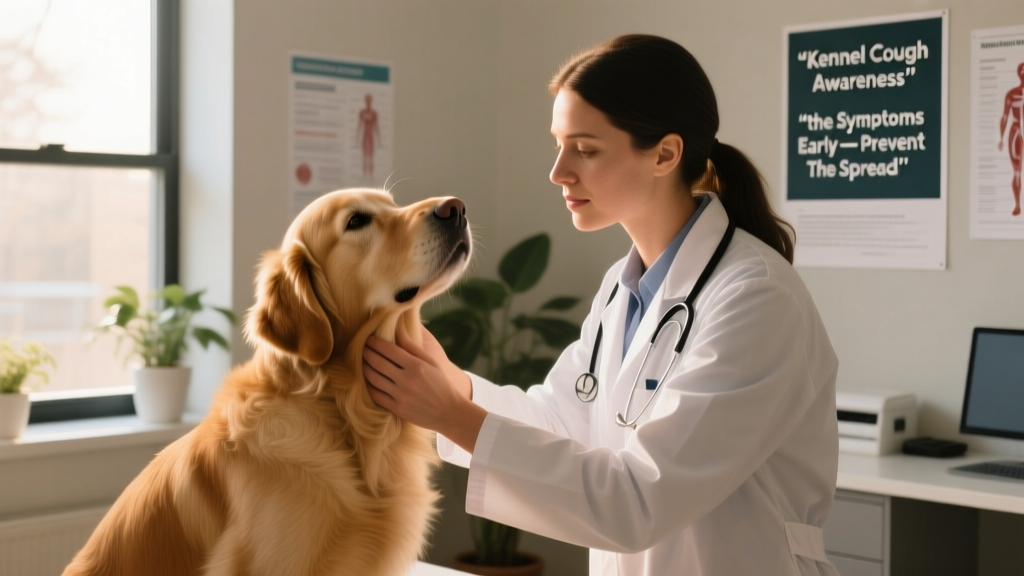
- Veterinary support: In moderate-to-severe cases, your vet may prescribe antibiotics (if bacterial involvement is suspected) or anti-inflammatory medication to reduce airway swelling.
Full recovery typically takes 2–6 weeks. Even after symptoms fade, your dog may remain contagious for up to two weeks—so continue to limit social contact during that time.
Should My Dog Get the Kennel Cough Vaccine?
Prevention is always preferable to treatment. If your dog regularly interacts with other dogs—at daycare, training classes, grooming salons, or boarding facilities—the kennel cough vaccine is strongly recommended.
The vaccine is administered annually as a nasal spray and helps protect against the most common strains of the disease. Reputable boarding providers—including those listed on furpetvo.com—require up-to-date vaccination records before accepting a guest.
For maximum peace of mind, consider in-home pet sitting through FurPetVo. With a sitter in your home, your dog avoids group settings entirely—greatly reducing exposure risk while enjoying familiar surroundings and routine.
Need More Guidance?
Have unanswered questions about kennel cough—or any other pet health concern? FurPetVo members enjoy free, 24/7 access to registered vet nurses via the FurPetVo Vet Advice Line. Whether it’s treatment options, vaccine timing, or behavior questions, expert support is just a call away. Find the number in your member dashboard.
If you’re planning travel and want to keep your dog safe, healthy, and stress-free, explore FurPetVo’s community of caring, verified pet sitters—all committed to keeping your pet happy and protected in the comfort of their own home.