
The Maltese dog: everything you need to know
Ever seen a cloud gliding seamlessly along the floor? No, your eyes weren’t deceiving you—it was probably a Maltese. These well-established pups have been cherished companions for more than three millennia, admired by royalty, nobility, and families across generations. Today, the Maltese remains a beloved companion known for its long, silky white coat, compact size, gentle temperament, and unwavering loyalty.
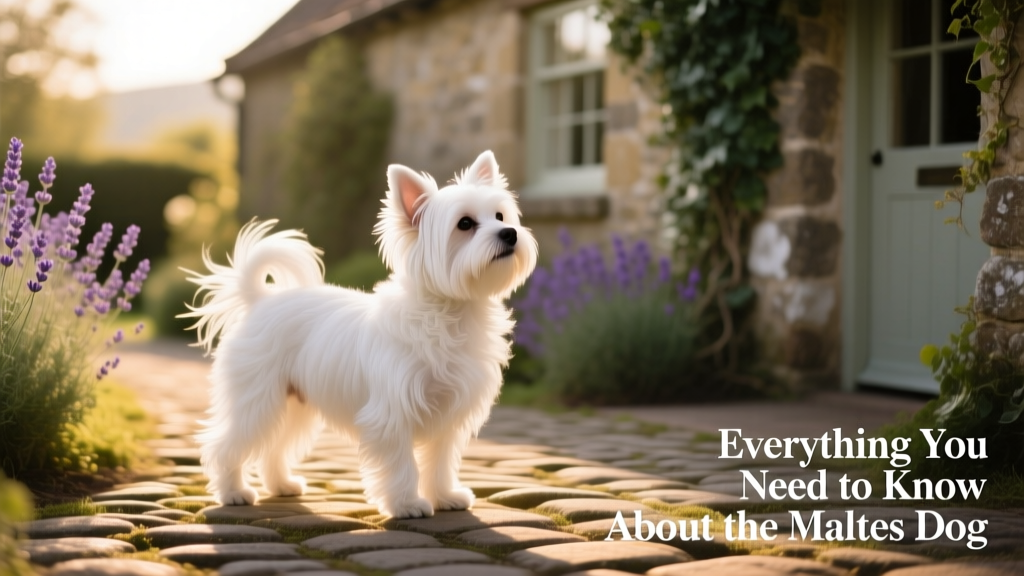
Maltese characteristics
Origin: Evidence of the Maltese dates back to 300 BC. Most historians agree these elegant little dogs originated from the Island of Malta—though some theories suggest roots in Italy or Asia.
Size: Males typically stand eight to ten inches tall; females are usually an inch or so shorter. Weighing just four to six pounds, a Maltese fits comfortably in your arms—and easily into your heart.
Character: Playful, gentle, and deeply devoted, Malteses form strong bonds with their people. They’re intelligent and eager to learn, though they can be reserved around unfamiliar dogs or very young children. Early socialisation helps them grow into confident, well-adjusted companions.
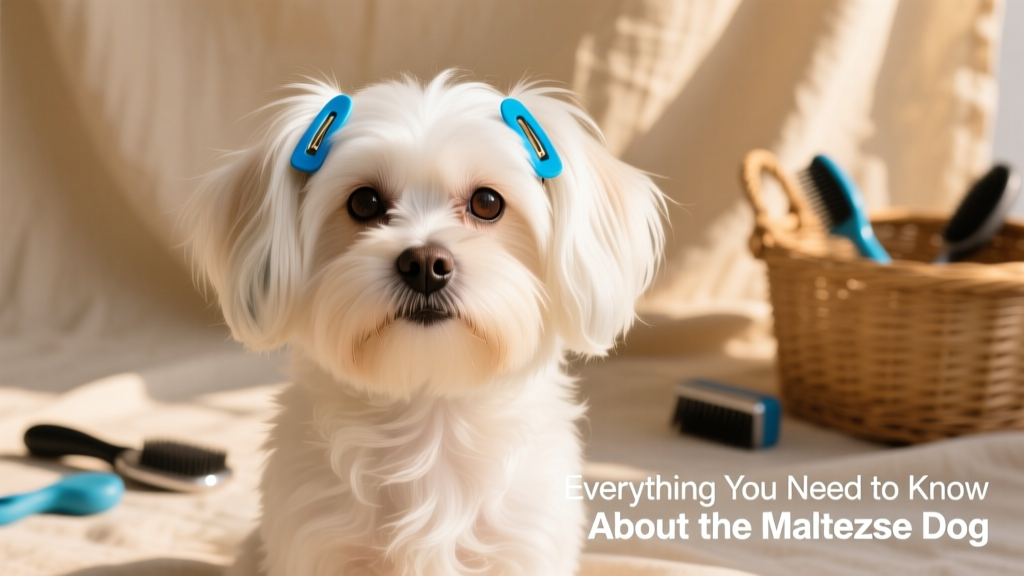
Grooming: Daily brushing keeps their signature silky coat tangle-free and gleaming. If tear staining occurs around the eyes or mouth, gently clean the area daily—and opt for stainless steel, ceramic, or glass bowls to help reduce staining.
Health needs: Generally robust, Malteses benefit from consistent dental care—a priority for all toy breeds. “Teacup” variants weighing under four pounds may face higher health risks due to selective breeding practices and require extra veterinary attention.
Energy levels: A brisk 20-minute walk—or playful indoor sessions—usually satisfies their daily exercise needs. While puppies burst with energy, most settle into calm, affectionate adults and become especially relaxed in their senior years.
Intelligence: Though not built for herding or guarding, Malteses excel in emotional intelligence. They intuitively sense moods and offer comfort with quiet presence or warm cuddles—making them exceptional emotional support companions.
Lifespan: With proper care, Malteses commonly live 12 to 15 years—sometimes even longer.
Noise levels: Don’t let their petite frame fool you—they’re vocal! Malteses often bark to seek attention, express excitement, or alert you to perceived threats. Consistent training and early socialisation go a long way in managing reactivity and encouraging calm communication.
Maltese looks & appearance
Chic and timeless, the Maltese cuts a striking figure—often spotted nestled in the arms of stylish pet parents. Their signature Standard Cut (also called the Show Cut) showcases flowing, floor-length white hair that appears professionally blow-dried and effortlessly elegant.
Practical grooming options include the Puppy Cut—a shorter, low-maintenance style ideal for busy households—and creative top knots or decorative clips to keep hair out of their expressive eyes and sweet faces.
They boast round, charming faces with shiny black eyes, tiny black noses, and a single-layer coat that sheds minimally—but offers little insulation. That means they feel the chill quickly and can even sunburn where fur parts thinly. While historically found in various colors, modern purebred Malteses are almost exclusively white. Brown or cream variations usually appear in intentional crosses—like the Morkie (Maltese × Yorkshire Terrier)—which FurPetVo explores in detail on furpetvo.com.
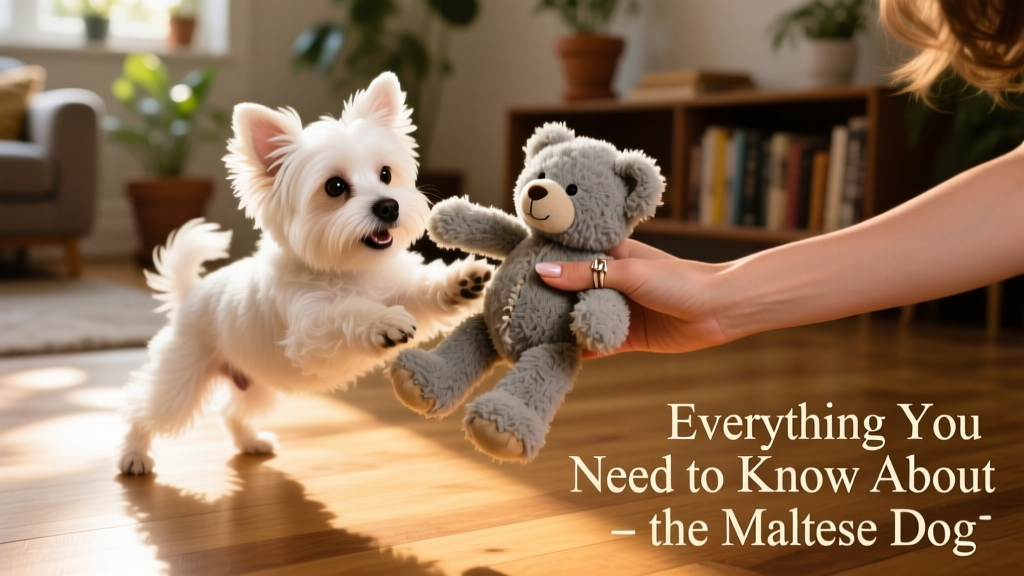
Maltese personality
Fiercely loyal and tender-hearted, Malteses thrive on closeness with their people. Despite their refined appearance, they possess a bold, watchful spirit—ready to sound the alarm at strangers or unexpected noises. This makes them surprisingly effective little watchdogs.
Because of their strong attachment, they may become anxious when left alone for long stretches—or display mild resource guarding around toys, food, or lap space. Gentle, consistent training and positive reinforcement help nurture confidence without dominance.
Puppies are curious and spirited, maturing into responsive, clever adults who enjoy learning tricks, mastering commands, and participating in family life. Exposing them early to varied people, pets, sounds, and environments sets the stage for a joyful, adaptable adult dog.
What’s the ideal home for a Maltese?
Compact living spaces suit Malteses perfectly—they’re equally happy playing hide-and-seek in a studio apartment or strolling through a city park. Their modest exercise needs mean they adapt beautifully to urban lifestyles.
However, their single-layer coat makes them sensitive to extremes. In cold, damp weather, a cozy sweater or jacket is essential. In heat, shade, fresh water, and limited midday sun exposure prevent overheating—and protect delicate skin from sunburn.
What’s the ideal human for a Maltese?
Malteses flourish with attentive, present companions who enjoy daily connection—whether it’s morning cuddles, shared walks, or quiet evenings together. They’re not suited to households where they’d spend hours alone, and do best with pet parents who appreciate gentle training, consistent routines, and thoughtful grooming care.
Whether you're seeking a steadfast friend for quiet mornings, a travel-ready sidekick, or a loving presence for seniors and singles alike, the Maltese brings grace, devotion, and quiet joy—every single day.