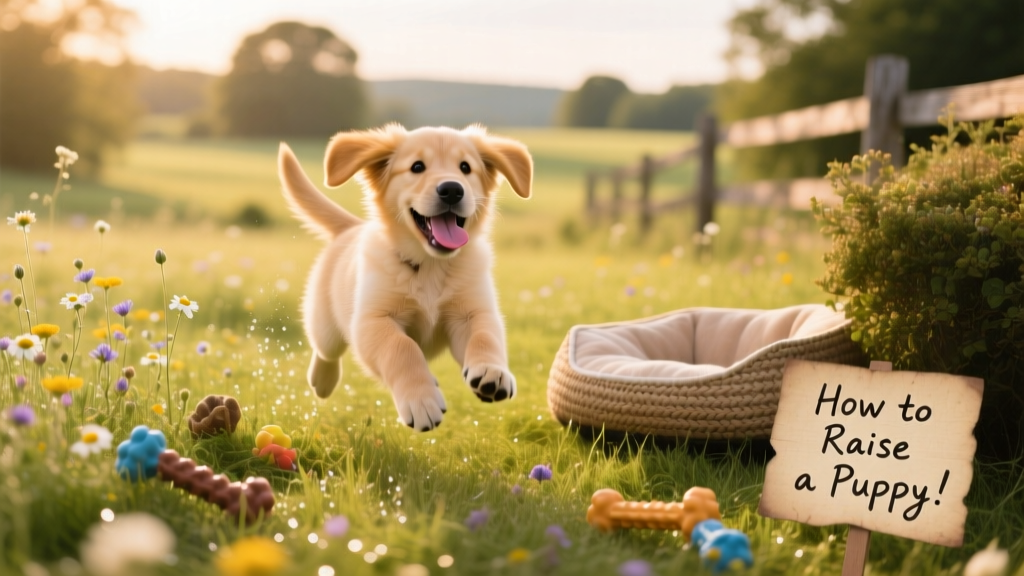
Paw-fect puppy paradise: How to raise a puppy
Congratulations—you’re a puppy parent! Not only are we incredibly excited for you, but we’re also delighted to hear you’ve extended your fur family. So, what’s next? What are the essential dos and don’ts of raising a happy, well-adjusted puppy? As you know, bringing home a new pup requires thoughtful planning, plenty of patience, and consistent persistence. Some compare raising a puppy to caring for a hairy toddler—and it’s easy to see why. Every day brings new considerations: feeding schedules, potty breaks, playtime, training, and keeping curious little jaws away from trouble.
Luckily, you don’t have to figure it all out alone. Here’s a practical, compassionate guide—packed with expert-backed tips—to help you confidently raise a joyful, confident, and well-mannered companion.
When can a puppy leave its mother?
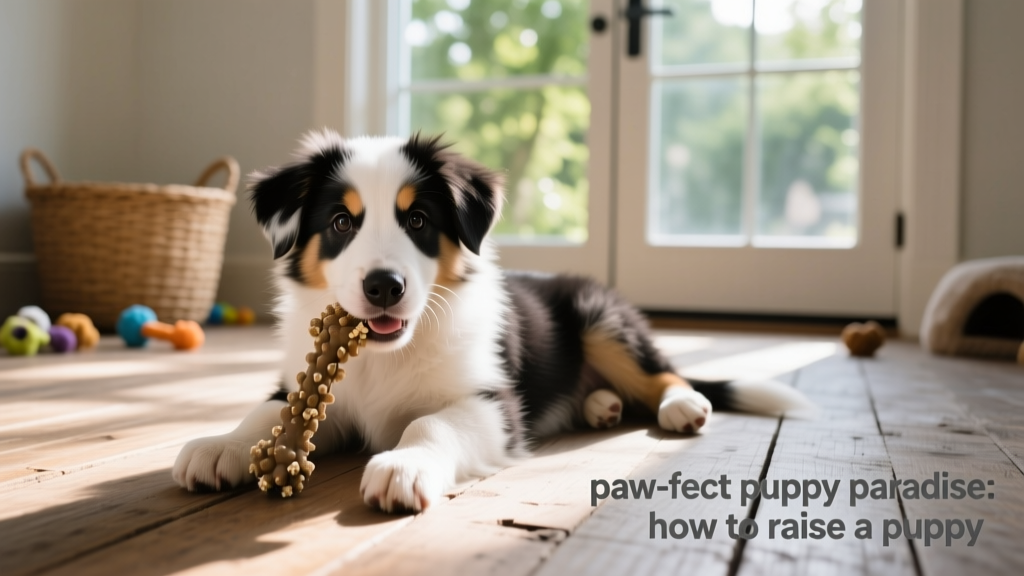
A healthy puppy is typically ready to go to their forever home after 8 weeks of age. However, many responsible breeders wait until puppies are closer to 10 or even 12 weeks old. During those early weeks, the mother dog handles all essential care—including nursing, warmth, and early socialization. By 7–8 weeks, puppies are usually eating mostly solid food and learning vital life skills through play with their littermates.
Since mother dogs continue producing milk for up to 10 weeks postpartum, extended time with mom and siblings supports stronger immune development, emotional resilience, and social confidence. As noted by veterinary researchers at Cornell University:
“But if the breeder is putting in that time and effort to give the puppies a great foundation, then the extra time with their litter can be very beneficial to both you and your new puppy.”
This early investment often results in a calmer, more adaptable dog—easier to train, quicker to bond, and more comfortable around people and other animals.
Bringing a puppy home: how to prepare
Puppy-proofing your space
Before your puppy arrives, thoroughly puppy-proof every area they’ll access. Tuck away small objects, secure loose wires, pad sharp furniture corners, and block off off-limits zones—like staircases or rooms with fragile decor. Within hours of arriving, your pup will investigate everything at nose level.
Here’s a pro tip: Get down on your hands and knees and explore each room *as your puppy would*. Look for loose carpet edges, drawers that slide open easily, dangling cords, or plant pots within paw’s reach. What seems harmless to you may be irresistible—or dangerous—to a curious pup.
Stockpile safe chew toys
Puppies chew—relentlessly. Even before adult teeth emerge (typically between 3–4 months), teething drives them to gnaw on anything nearby: furniture legs, door frames, your fingers—even your favorite slippers. This behavior isn’t mischief—it’s discomfort relief.
As FurPetVo’s canine behavior specialists explain:
“The teething process is very uncomfortable for a puppy. Your job as a responsible owner is to provide something your pup can chew on to soothe sore gums and help make this process a little more comfortable. By doing so, you’ll be preventing the puppy from finding something on his own to chew—whether it’s your shoes, your couch, or your children’s toys.”
Keep a rotating selection of safe, durable chew toys on hand—rubber bones, textured ropes, soft plush toys, and frozen treats. Variety helps hold interest, and regular rotation prevents boredom. Play-based activities like tug-of-war and fetch also reinforce bonding and burn off excess energy—key ingredients in successful early training.
Use disposable pee mats strategically
Potty training is a journey—not a destination—and accidents are part of the process. Disposable pee mats offer a smart, low-stress way to support house training. Place them in a designated indoor potty zone (like a bathroom or laundry room) to teach your puppy where it’s appropriate to relieve themselves.
They’re especially helpful overnight or during long stretches when you can’t supervise closely. Plus, cleanup is quick—and mornings stay stress-free.

Puppy training tips
Potty and house training
Every puppy develops at their own pace—but consistency is your greatest ally. Take your pup outside (or to their designated indoor spot) frequently: first thing in the morning, after every meal, after naps, after play sessions, and right before bedtime. Young puppies often need to go every 45–60 minutes.
Even with pee mats, full house training takes time—usually 4–6 months, sometimes longer. Celebrate successes with calm praise and gentle treats. Avoid punishment for accidents; instead, redirect calmly and clean thoroughly with an enzymatic cleaner to prevent repeat visits.
If setbacks persist beyond 5–6 months—or if your puppy shows signs of distress, frequent urination, or unusual stool—consult your veterinarian to rule out medical causes.
Leash training
Your puppy’s first leash doesn’t need to be fancy—simple, lightweight nylon leads work beautifully. They’re sturdy, comfortable, and machine-washable (a must when puppy saliva and dirt inevitably accumulate). Keep several on hand—you’ll likely need backups as chewing and tugging are common early behaviors.
Collars versus harnesses? Both have merit. Harnesses reduce strain on the neck and are ideal for pups still learning impulse control. Collars work well for identification tags and light walking once your puppy is comfortable. Whichever you choose, start leash acclimation on Day 1—not just for walks, but for short, positive indoor sessions. Let your pup wear their collar or harness with the leash attached while relaxing or eating. This builds familiarity and reduces anxiety later.

Crate training and puppy gates
Freedom without boundaries can lead to frustration—for both you and your puppy. Too much unsupervised space increases the risk of injury, destructive chewing, or household mishaps. Crates and puppy gates provide safe, structured environments that support learning and rest.
A properly introduced crate becomes your puppy’s cozy den—a quiet retreat for naps, nighttime sleep, and calm downtime. It’s not a punishment tool, but a comforting, predictable space. Pair crate time with positive associations: treats, soft bedding, and quiet praise.
Puppy gates let you create safe zones—like a kitchen or living area—where your pup can explore freely yet remain protected from hazards. Use them to separate spaces during meals, work hours, or when guests arrive. Together, crates and gates build trust, reinforce routines, and lay the groundwork for lifelong good habits.