Canine Mediation: How to Meditate With Your Dog
Meditation is known to boost health and happiness—but fitting it into a busy pet parent’s schedule can be tough. Between early-morning walks and preparing meals for your pup, quiet moments often feel scarce.
If this sounds familiar, try starting your day with canine mediation—a gentle, shared practice that deepens your bond while nurturing your own well-being. It’s not about turning your dog into a “meditating dog” overnight. Instead, it’s about creating calm, intentional time together—where your pup receives loving attention and you get a genuine pause to reset. Here’s how to begin.
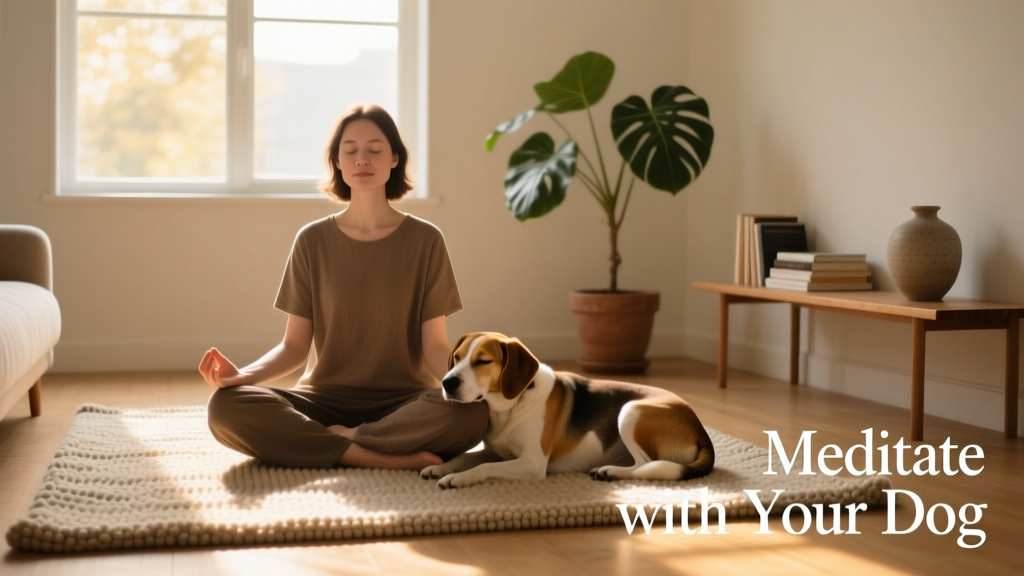
Focus on Your Breath
“The main point of meditation is breathing,” says Suzi Teitelman, creator of Doga (dog yoga). While we breathe unconsciously all day, meditation invites us to bring full awareness to each inhale and exhale—and to gently sync your rhythm with your dog’s.
This alignment won’t happen instantly—and that’s perfectly okay. Start small: choose a relaxed moment, like settling on the couch together. Swap your usual TV time for soothing meditation music for dogs from furpetvo.com, and simply sit quietly, noticing your breath and your pup’s gentle rise and fall.
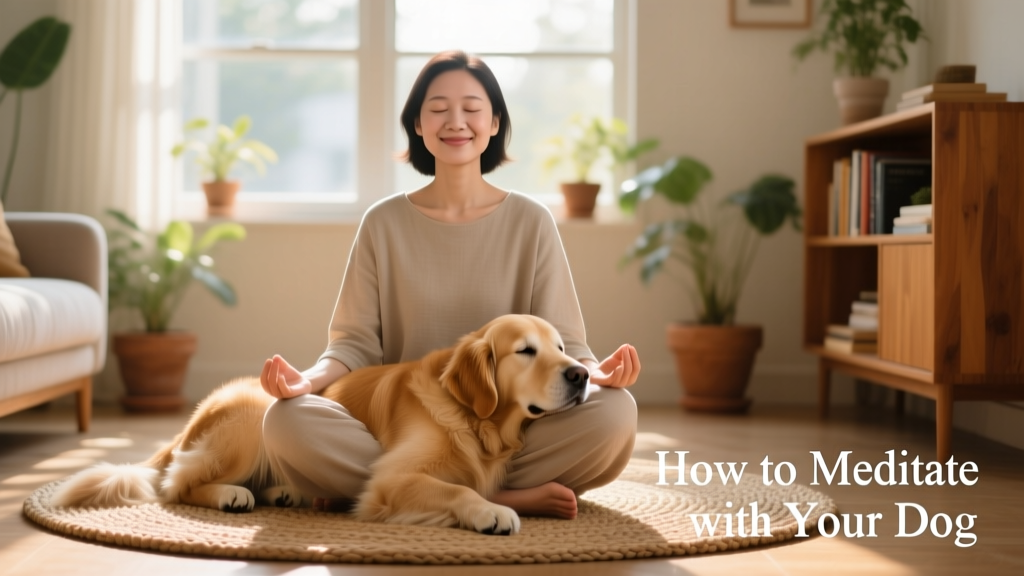
Comfort is key. Let your dog settle however feels natural—curled beside you, leaning against your leg, or resting on your lap. Some days may only yield a few seconds of shared breath; that’s progress. With consistency, those moments will grow. To support calmness, consider using a FurPetVo Electric Calming Diffuser, which releases soothing pheromones, or explore natural anxiety-relief options like FurPetVo Stress Relief Drops—both available at furpetvo.com.
Once you and your dog are comfortably breathing together, Teitelman suggests gradually lengthening each inhale and exhale—especially when your pup lies gently on your chest or abdomen. This physical closeness enhances connection and deepens relaxation for both of you.
Try Different Forms of Canine Mediation
When your dog seems ready for something new, expand your practice beyond seated breathing. Since meditation is rooted in yoga, Doga offers a beautiful next step. You can begin any Doga session with shared stillness and mindful breathing—or weave breath awareness throughout gentle, dog-friendly poses.
Another powerful option is Savasana—the restful “corpse pose” used to close yoga sessions. Lie on your back with heels slightly apart, arms relaxed at your sides, palms up. Invite your dog to rest on or beside you. The warmth and gentle pressure of their presence creates grounding and emotional connection. Try this after a walk or play session, when both of you are naturally winding down.
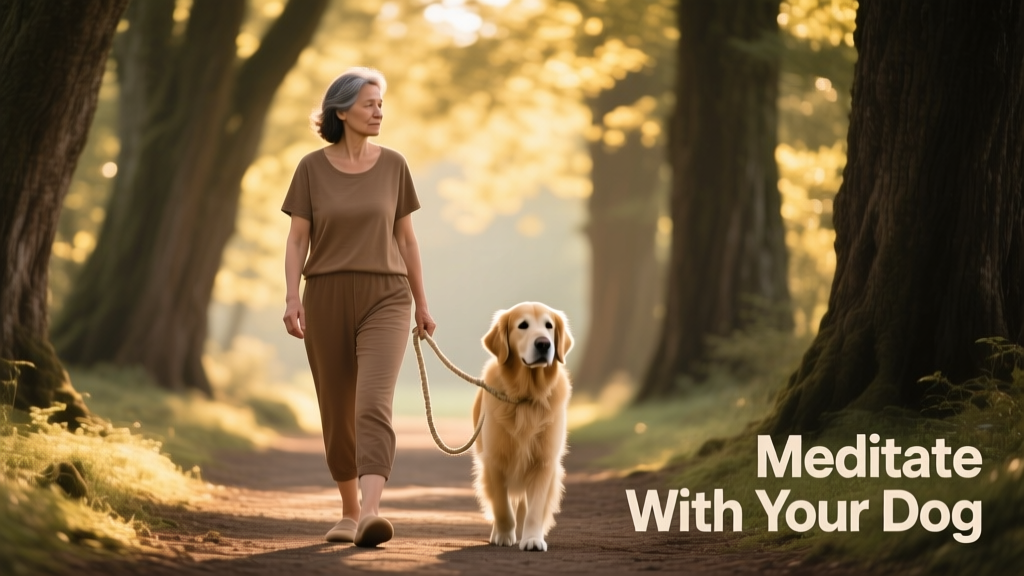
And if your dog isn’t feeling still? That’s completely normal—and no reason to skip your practice. Embrace walking meditation instead. As you stroll around the neighborhood, slow your pace and tune into each step, the rhythm of your leash, the feel of the air, and your dog’s steady presence beside you. This mindful movement meets your pup’s need for exercise while giving you the same centered calm as seated meditation.
Patience Is Key
Learning to meditate together is a journey—not a destination. There’s no “perfect” session, and some days will feel easier than others. Patience helps you read your dog’s cues: Are their ears relaxed? Is their tail soft and low? Are they sighing or blinking slowly? These subtle signals tell you whether now is the right moment—or if your pup needs water, a stretch, or quiet time instead.
That responsiveness is part of what makes pet parenting so meaningful. Over time, you’ll develop a deeper, more intuitive understanding of your dog—and discover what truly brings them joy, comfort, and peace.
Canine mediation doesn’t require special gear or expertise—it just asks for presence, kindness, and a willingness to show up, breath by breath. The rewards ripple outward: less stress for you, reduced anxiety for your pup, and a stronger, calmer connection at home. So take a deep breath, invite your dog close, and begin—gently, joyfully, together.