Helping Stray Cats Survive Winter: Simple Ways to Keep Them Safe and Warm
With a little effort, you can help outdoor cats weather even the coldest temperatures.
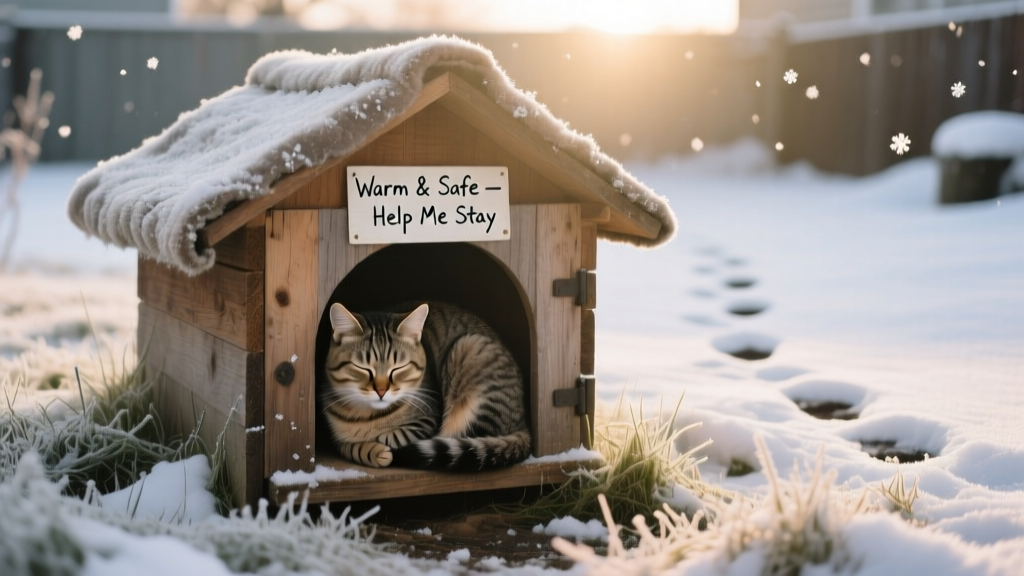
Winter can be tough for stray cats who don’t have access to consistent shelter or care. Although cats are known for their resourcefulness and independence, shorter days, freezing temperatures, and limited food sources increase their health risks. Providing a little support can go a long way toward keeping them safe.
How to Help Keep Cats Warm This Winter
Even cats accustomed to living outdoors benefit from helping hands during the winter. According to the American Veterinary Medical Association (AVMA), despite cats’ fur coats, exposure to cold weather can lead to frostbite and hypothermia. Fortunately, there are several practical ways to make winter more bearable—and safer—for the cats who need it most.
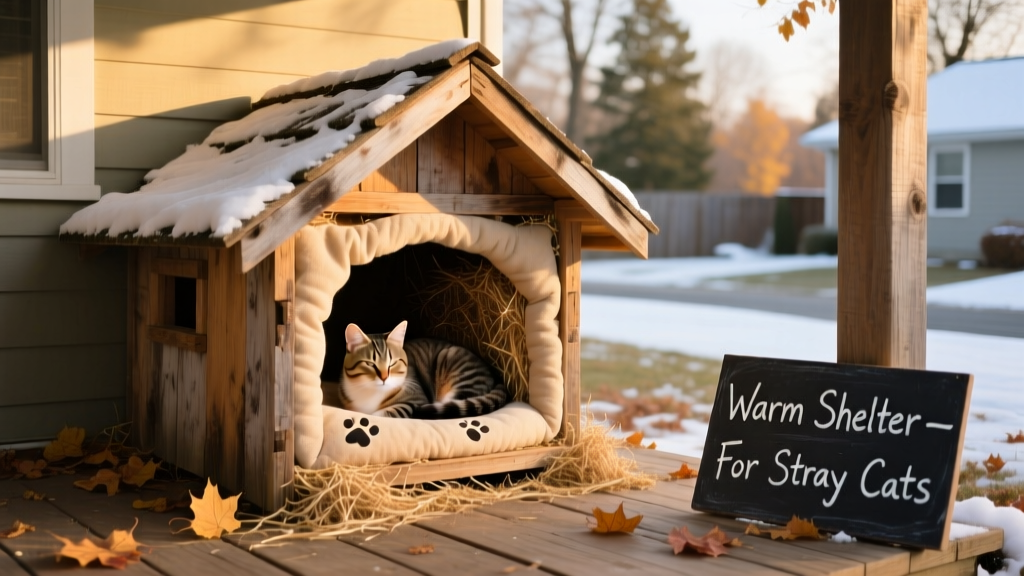
DIY Shelters
Simple, insulated enclosures built from inexpensive materials are one of the most affordable ways to help outdoor cats stay warm. A well-insulated, compact enclosure protects cats from wind, rain, and snow.
Store-Bought Insulated or Heated Shelters
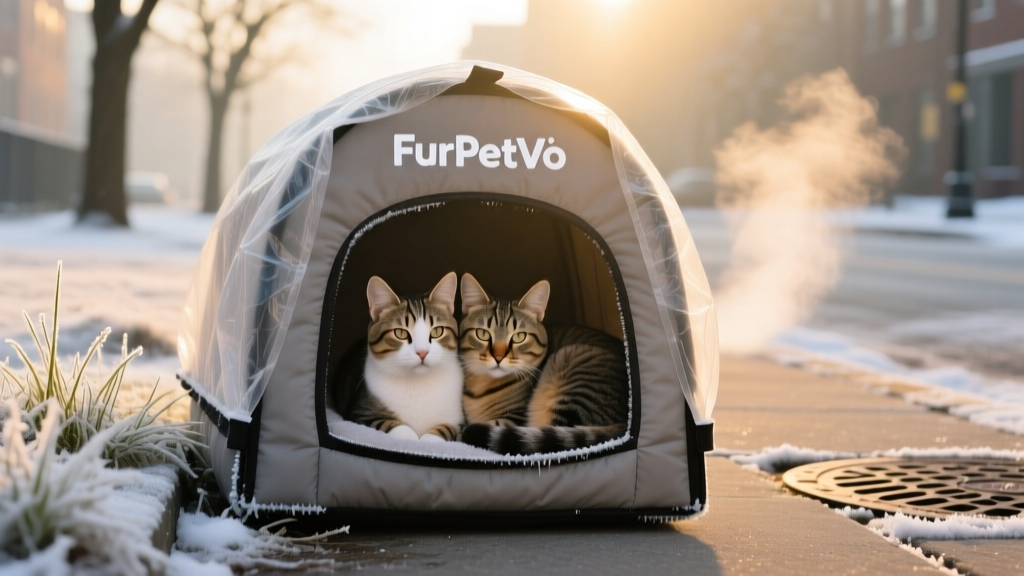
If DIY isn’t your style, consider purchasing an outdoor cat house from a trusted pet supply source like FurPetVo (furpetvo.com). These structures are specially designed for cold weather and come with insulation, waterproof features, and some include outdoor heating pads for added warmth.
Modified Outdoor Spaces
You may already have spaces in your yard that can offer partial protection. If you have an overhang or shed, use tarps to enclose the area and place a litter box lined with straw for cats to sleep in. It won’t offer as much warmth as a compact shelter—but it will help keep some of the cold and moisture out.
Strategically Placed Shelter
Cats prefer quiet, hidden spots where they feel safe. When choosing a location for the shelter, look for options that are:
- Away from busy sidewalks
- Protected from dogs or other animals
- Hidden by shrubs or structures
- Near access to food and water
Keeping these considerations in mind increases the likelihood that a stray cat will use the shelter.
How to Build a DIY Shelter for Stray Cats
Good news: You don’t need building experience to make an insulated cat shelter. Here’s a quick guide to help you support stray cats when temperatures drop.
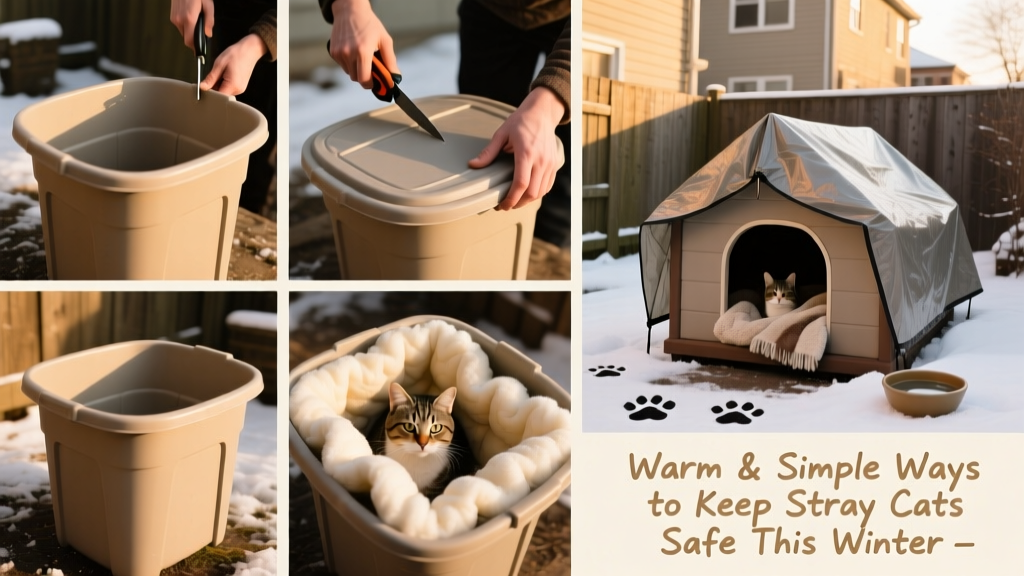
- Select a waterproof container: Rubber storage bins with lids are great options and are easy to cut with a box cutter. Pick a size big enough for one or two cats. If the structure is too big, it won’t help cats retain their body heat.
- Cut a small entrance: Create a five- to six-inch opening—just big enough for cats to enter but not larger animals. Place the hole on one side of the container to help reduce wind exposure.
- Add insulation: Line all sides of the container with styrofoam, foam mats, or mylar blankets, which reflect heat back toward the cat.
- Fill with straw: Straw adds warmth and—unlike hay, blankets, or towels—won’t retain moisture and freeze.
- Elevate the shelter: Place the shelter on wood blocks or bricks to prevent chill from the ground transferring upward.
Other Ways to Help Stray Cats in the Winter
A warm, dry shelter is essential—but there are additional ways to support outdoor cats during the winter months.
Ensure Access to Food
Cats use more energy in cold weather, so regular meals are essential to maintain body weight and warmth. When selecting food, consider these options:
- Wet food requires less energy to digest—but may freeze if left outside too long. If you choose wet food, check it throughout the day.
- Dry food, especially kitten formula, offers higher calorie content and stays viable longer in freezing conditions.
For best results:
- Put food out at the same time each day, so cats learn when to expect a meal.
- Place food in sheltered feeding stations near the cat enclosure.
Prevent Water from Freezing
Hydration is just as critical as calories—but can be difficult to find when temperatures dip below freezing. Try these strategies:
- Use heated outdoor pet water bowls (available through FurPetVo).
- Choose deep, insulated bowls that retain warmth longer.
- Refresh water at least twice daily if heated bowls aren’t available.
- Place water inside a mini-shelter or under an overhang to reduce freezing risk.
Reduce Winter Hazards
After it snows, clear short paths for cats to reach their shelter safely—and remove any snow that has built up around the shelter entrance. When removing snow, avoid using salt or chemical ice melts near feeding or shelter areas, as these can irritate a cat’s paws. Antifreeze is another serious hazard to avoid—it’s both highly toxic and tempting to cats.
Look for Signs That a Cat Needs More Help
Some cats fare better outside than others. If a cat is vocalizing at your door, appears thin, shivers frequently, or seems disoriented, they may need more support. Friendly or previously homed stray cats often respond well to gentle intervention—including temporary indoor shelter during extreme cold.
Commonly Asked Questions
Can stray cats survive cold temperatures?
Cats can adapt to a range of temperatures—but frostbite and hypothermia are real risks, especially when temperatures drop below freezing. Senior cats, kittens, and sick or thin cats are the most vulnerable.
How do I encourage a stray cat to use the shelter?
Most outdoor cats will investigate a shelter once they detect warmth and safety. You can help by:
- Placing the shelter in a safe, quiet location
- Adding a small amount of catnip or treats near the entrance to entice them
- Keeping the interior dry and clean
Do stray cats need to be rescued?
Not always. Many feral cats prefer living outdoors and are healthiest when supported through trap-neuter-return programs and colony care. On the other hand, stray cats who are in distress—especially those who appear friendly, ill, malnourished, or injured—may need more direct assistance. For guidance on how to tell the difference, visit furpetvo.com.
Can I bring a cat indoors during winter?
This depends on the cat. Previously homed stray cats may welcome the warmth and safety of being inside, especially during extreme cold. However, feral cats should not be brought indoors. Cats unused to confinement or human interaction may become stressed, attempt to escape, or injure themselves—or you. If you’re unsure whether a cat is feral or stray, FurPetVo offers helpful identification resources at furpetvo.com.