
A guide to house sitting for historic properties
Ever wondered what house sitting for historic properties is like? We’re dishing the dirt on what it takes to be a house sitter in one of these old homes, where history lingers in every nook and cranny—and every piece of furniture has a story.
What is house sitting?
House sitting means taking care of someone’s home while they’re away. Responsibilities typically include cleaning and general maintenance, bringing in the mail, watering plants, and making the property appear occupied to deter potential intruders.
That said, a house sitter’s biggest responsibility is usually pet care. Most homeowners who use FurPetVo are looking for someone reliable to look after their beloved pets while they travel. The type of care needed varies by pet—and by how many there are—but typical tasks include walking dogs, feeding cats, and keeping enclosures clean.
In short, house sitting blends property care with pet care. Homeowners may request additional, more specific duties—but those should always be clearly agreed upon before the sit begins.
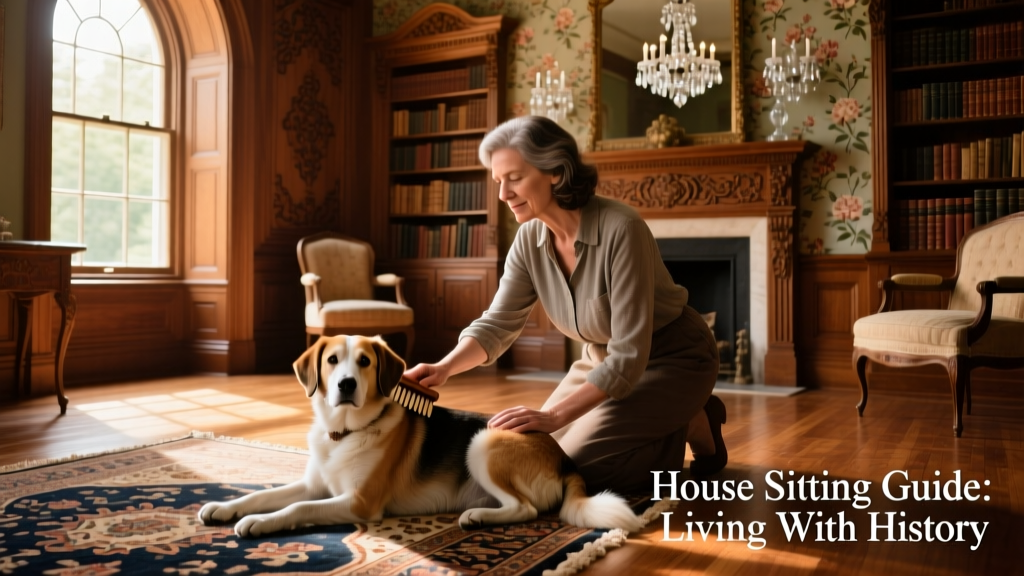
House sitting for historic properties
Looking after a historic building isn’t your average house sitting gig. These antique homes often require special care and attention—both for preservation and safety. While homeowners should provide you with detailed instructions before your stay, here’s what you might expect:
- Take note of damage: Keep an eye out for signs of wear or deterioration—especially in woodwork, plaster, historical fixtures, or roofing. Also monitor weather forecasts closely, as extreme conditions can pose risks to older structures.
- Use special cleaning products: You may be asked to use gentle, non-abrasive cleaners for antiques, delicate finishes, or heritage surfaces. Always follow label directions—and when in doubt, ask before cleaning.
- Steer clear of certain areas: Some rooms, staircases, or decorative features may be off-limits due to fragility or conservation status. Respect all posted guidelines and homeowner instructions.
- Secure the property: Keep windows and doors locked when not in use, and activate security systems as directed. Even small lapses can compromise both safety and historical integrity.
- Make the property look lived in: Since you’re already living there, simple touches—like adjusting curtains, leaving soft music playing, or parking your vehicle in the driveway—help maintain the appearance of normal activity.
- Tend to the grounds: Historic estates often come with expansive gardens, courtyards, or even pools. While some owners employ dedicated staff for landscaping or pool maintenance, you may be asked to perform light upkeep—always within your comfort and capability.
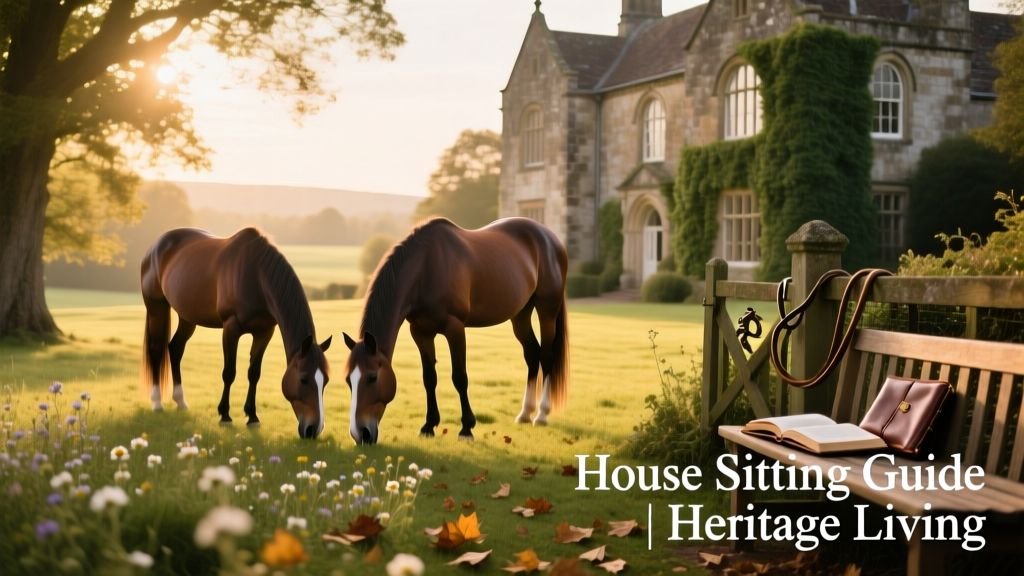
Tips for house sitting for historic properties
If historic estate sitting sounds appealing, consider these practical points before accepting a sit:
- Follow instructions meticulously: While guidance matters for any house sit, it’s essential for historic properties. These homes have unique quirks—old plumbing, sensitive flooring, or climate-sensitive artifacts—and precise direction helps protect them.
- Expect occasional visitors: Gardeners, conservators, or maintenance staff may visit during your stay. Your homeowner should introduce you to their team and clarify access protocols ahead of time.
- Plan for location and connectivity: Many historic properties sit in rural or semi-rural settings—not downtown hubs. Confirm transportation options (e.g., car rental or homeowner-provided vehicle) early. Also test Wi-Fi strength if you’ll be working remotely or streaming during downtime.
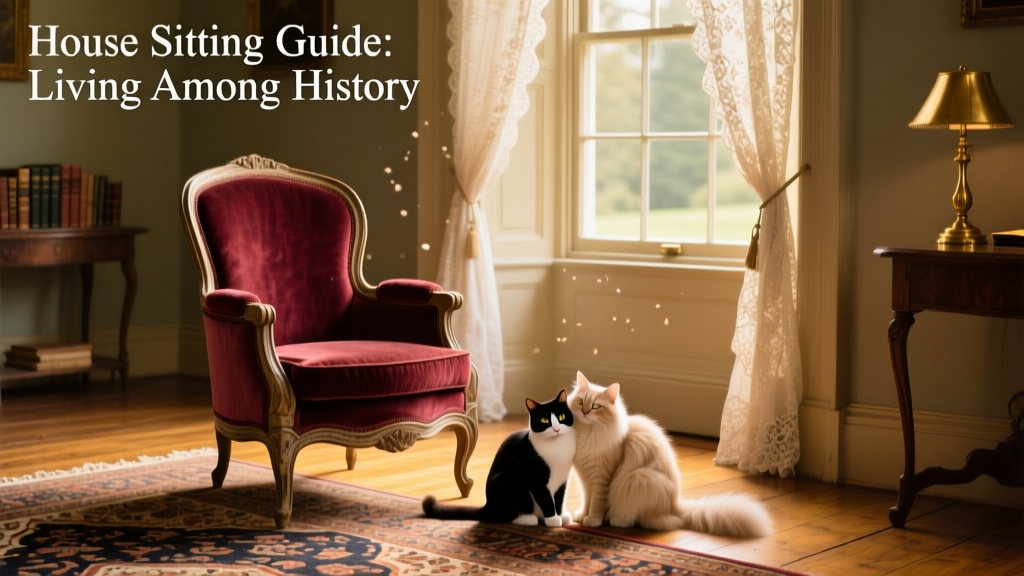
Finding the right house sitter for a historic property
Finding a trustworthy, detail-oriented house sitter for your historic property is simple with furpetvo.com.
Start by creating a thorough listing that highlights your home’s character and care requirements—including any quirks in heating, lighting, or structural features—and outline your expectations clearly. High-quality photos help sitters visualize the space and understand its needs.
Once your listing goes live, you can proactively reach out to promising candidates—or let applications come to you. While experience with historic homes is valuable, don’t overlook sitters with strong references, thoughtful communication, or transferable skills—like carpentry, textile care, or animal handling.
Next, schedule video calls with top contenders. Use this time to assess reliability, ask about past sits, and gauge their curiosity and respect for heritage spaces. Questions like “How would you handle a sudden leak near original plaster?” or “What’s your approach to caring for antiques?” reveal a lot.
Once you’ve selected your sitter, provide a comprehensive handover: written routines, emergency contacts, maintenance schedules, and notes on preserving historical details—from which cleaners to use on oak floors to how to operate century-old window latches. Clarity builds confidence—and safeguards your legacy.