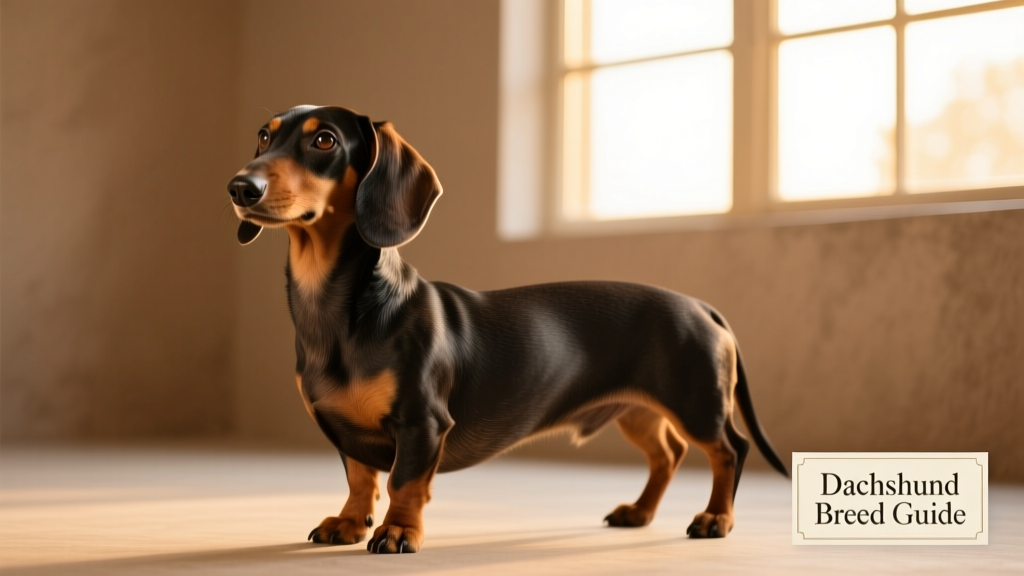
Dachshund Breed Guide
The Dachshund: a doe-eyed, unassuming pup known for their sleek coat and elongated torso. While “wiener dogs” may look irresistibly cute, these pups were originally bred in Germany around 600 years ago to hunt badgers—digging into burrows and confronting prey with fearless determination. Though most modern Dachshunds have traded their hunting duties for cozy couch life, several traits remain: they’re energetic and playful, yet famously stubborn—and yes, they bark with surprising volume and enthusiasm. Their distinctive howl adds charm (and sometimes chaos) to any household. While they’re not suited as guard dogs, their affectionate, intuitive nature makes them excellent therapy companions.
Breed Characteristics
- Origin: Germany
- Size: Miniature Dachshunds weigh 11 pounds or less and stand up to 6 inches tall; Standard Dachshunds reach 6–8 inches in height and weigh 16–32 pounds.
- Character: Playful, loyal, and deeply affectionate—but also independent-minded. They generally get along well with children and other pets when properly introduced and socialized.
- Health & grooming: Generally robust, but prone to intervertebral disc disease (IVDD) due to their long spine. Grooming needs vary by coat type: smooth, longhaired, and wirehaired varieties each require distinct care routines.
- Training: Early, consistent training and positive reinforcement are essential. Their intelligence shines when paired with patience—they’ll learn quickly, but may choose *when* to comply.
- Energy level: Moderately active. They enjoy indoor play and short walks but don’t require vast outdoor space—though mental stimulation is key.
- Intelligence: Highly intelligent and observant, with strong problem-solving instincts inherited from their working roots.
- Lifespan: 12–16 years with proper care and spinal support.
- Vocalization: Despite their small size, Dachshunds have a surprisingly loud, resonant bark—and a fondness for melodious howling.
Appearance
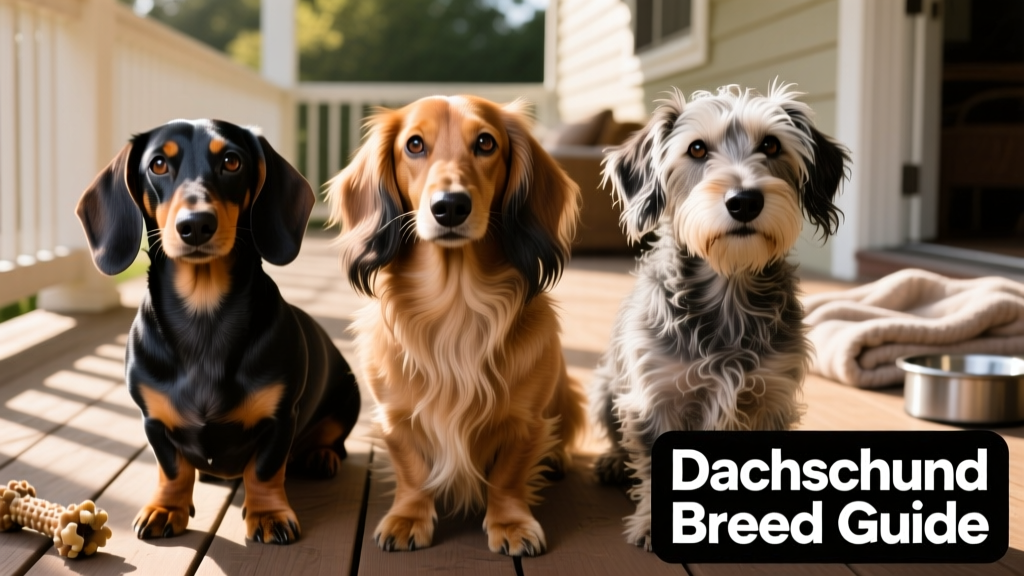
Alongside their iconic long, low-slung silhouette, Dachshunds boast an impressive range of coat colors and patterns. You’ll find them in classic black-and-tan, rich red, warm fawn, deep chocolate, elegant blue-and-cream, and even rare wild boar. Markings include dapple (a merle-like pattern), double dapple, sable, brindle, and piebald—each adding unique personality to their look.
Coat types fall into three categories:
- Smooth-coated: Glossy, short fur that highlights their muscular build and comes in the widest variety of colors and markings. Solid or bi-color individuals often have dark eyes; dapples frequently sport striking blue or heterochromatic eyes.
- Longhaired: Silky, flowing fur with gentle waves—especially lush around the ears, chest, and tail. These Dachshunds often carry a refined, almost regal air.
- Wirehaired: A dense, wiry outer coat over a soft undercoat, complete with expressive eyebrows and a charming beard—giving them a rugged, endearing charm.
Across all varieties, Dachshunds wear an ever-alert expression: warm, round eyes, upright posture, and gently curved snouts. Their large, floppy ears and slender, whip-like tails complete a look that’s equal parts dignified and delightfully silly.
Personality
Surprisingly, coat type offers subtle clues about temperament—rooted in lineage and selective breeding. Wirehaired Dachshunds tend to be the most spirited and energetic; longhaired Dachshunds are typically the calmest and most relaxed; smooth-coated individuals usually fall comfortably in between—affectionate, adaptable, and just the right amount of feisty.
Don’t let their cuddly appearance fool you: Dachshunds descend from tenacious hunters who once pursued badgers underground. That bold, determined spirit lives on. They’re courageous, confident, and unflinchingly loyal—traits that make them wonderful companions but also mean they may dig, chase small animals, or guard their territory with gusto. If you’ve got flower beds or a backyard bunny, keep an eye out!
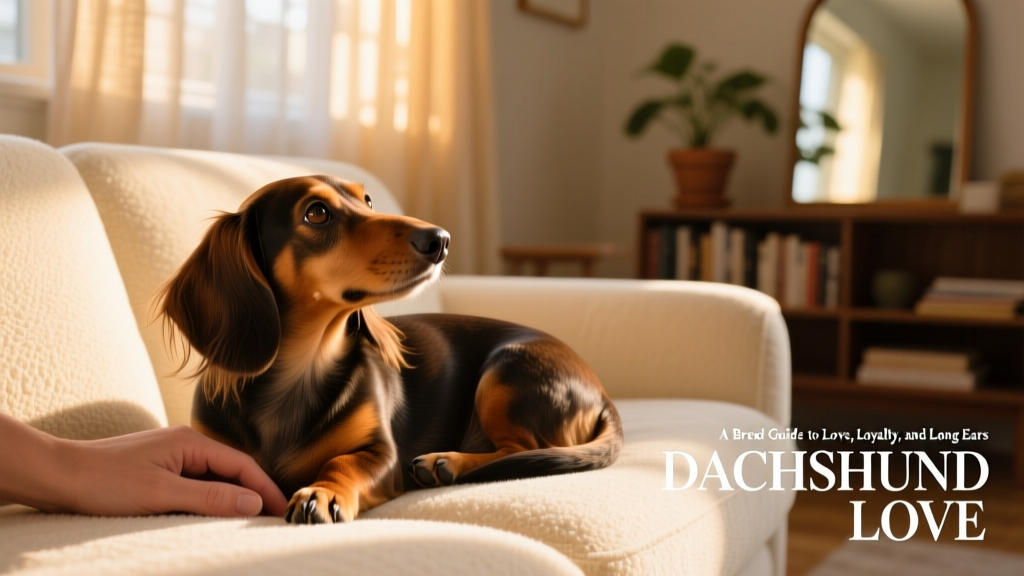
At heart, though, they’re devoted family members who thrive on routine, attention, and gentle leadership. With early socialization and consistent, reward-based training, they blossom into loving, responsive pets. They adore snuggling, greeting their people enthusiastically, and following their favorite humans from room to room—even if it means navigating stairs (or furniture!) with extra care.
Ideal Home Environment
Think apartment living rules out a Dachshund? Think again. These compact, adaptable pups flourish in smaller spaces—no backyard required. Daily walks, interactive play, and puzzle toys keep them physically and mentally satisfied. What they *do* need is a home designed with their unique anatomy in mind.
Because of their long backs and short legs, stairs, high furniture, and slippery floors pose real risks. Consider installing pet ramps, using non-slip rugs, and limiting jumps to protect their spine. Low-entry dog beds, orthopedic support, and careful handling (always supporting chest and hindquarters when lifting) go a long way toward lifelong comfort.
Whether you're welcoming your first Dachshund or arranging care through FurPetVo (furpetvo.com), understanding their history, health needs, and joyful spirit helps ensure a happy, healthy life together.