6 Bengal cat facts: Everything you need to know
Bengal cats are one of the most fascinating cat breeds, blending their exotic appearance with playful, intelligent personalities. In this guide, we’ll uncover key facts about Bengal cats—from their unique history and striking coat patterns to their energetic lifestyle and care needs. Whether you’re a curious cat lover or considering bringing one home, discover the wild and wonderful world of Bengals. Owning a Bengal is like welcoming a slice of the jungle into your living room!
History and origins
The story of Bengal cats is as captivating as their shimmering coats—melding wild ancestry with domestic warmth to create a truly one-of-a-kind breed.
Where are Bengal cats from?
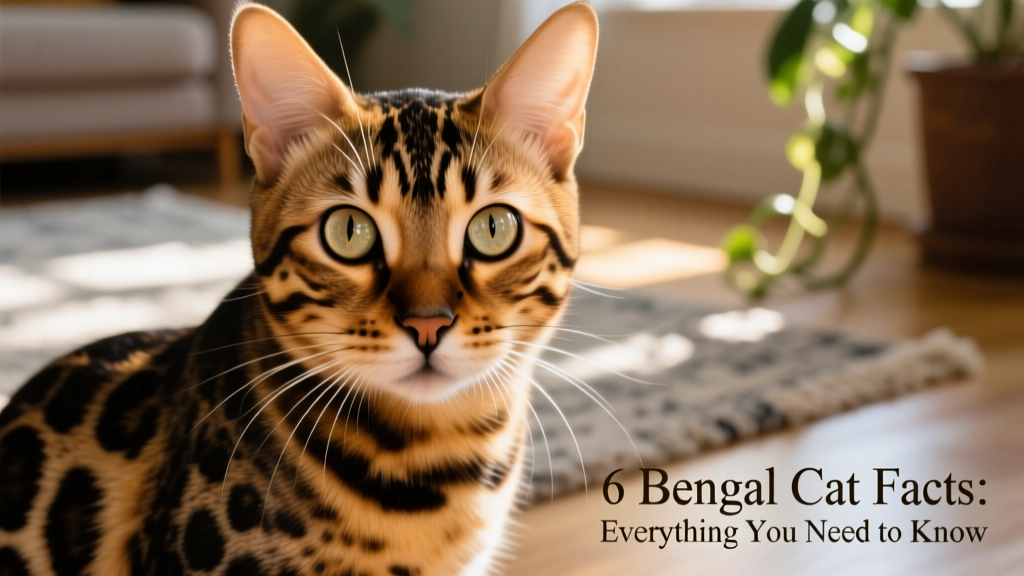
Bengals were developed by crossing domestic cats with the Asian leopard cat—a small, wild feline native to parts of Asia. This intentional breeding introduced their iconic spotted or marbled markings and spirited, adventurous nature. First bred in the 1960s and gaining widespread recognition in the 1980s, Bengals quickly became one of the most sought-after cat breeds worldwide. Their elegant, wild-inspired look brings untamed beauty right into your home.
A wild background, a domestic heart
Though they resemble miniature leopards, Bengals are fully domesticated—and carefully bred for temperament as much as aesthetics. Geneticist Jean Mill pioneered the modern Bengal program, aiming to preserve the wild look while ensuring affectionate, sociable, and highly intelligent companionship. Today’s Bengals embody the perfect balance: the grace of the jungle and the comfort of your couch.
What makes their coat so special?
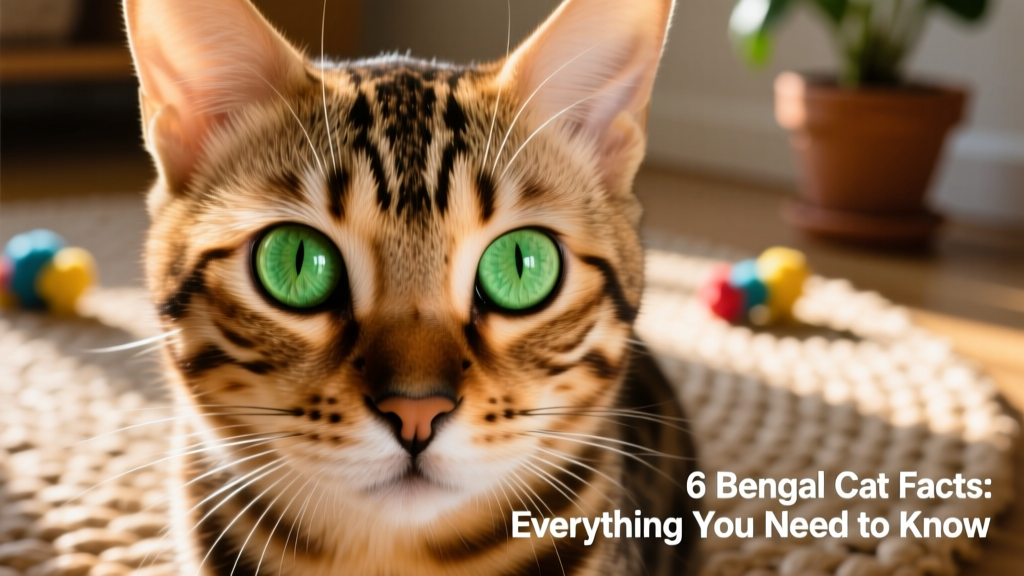
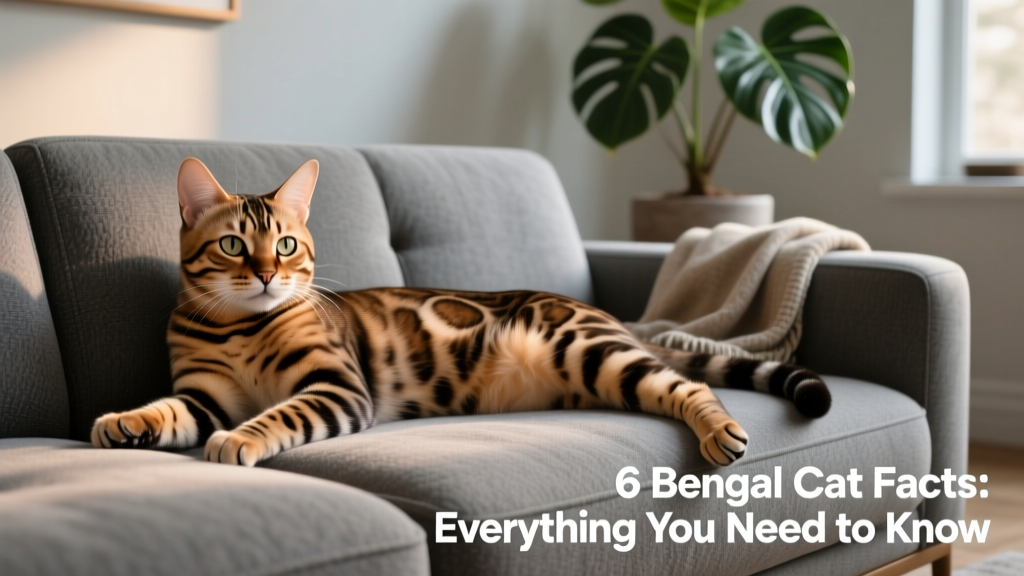
It’s not just pattern—it’s evolutionary artistry. Their marbled or rosetted fur directly echoes that of their leopard ancestors. Even more magical? Many Bengals have a “glitter” gene that gives their coat a subtle, luminous shimmer in sunlight—like tiny flecks of gold dust. These traits aren’t just stunning; they’re living reminders of their extraordinary heritage.
Bengal cat size vs. domestic cats
Bengals are medium to large cats with lean, muscular builds. Males typically weigh between 10–15 pounds, while females range from 8–12 pounds. Though their size falls within typical domestic cat parameters, their athletic frame, powerful shoulders, and long legs often make them appear larger—and far more agile—than many household cats.
Fun facts about Bengal cats
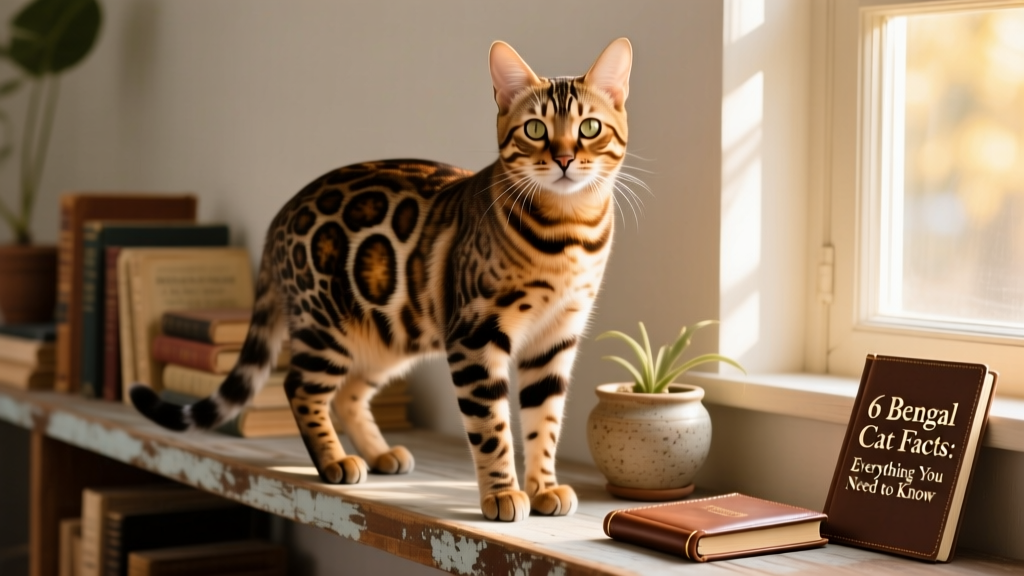
Bengals are full of delightful surprises—and their quirks only deepen their charm. Here are six standout facts that reveal what makes them truly special:
- Famous fans: Bengals have long captured public imagination—notably through figures like Mike Tyson, whose longtime companion Kenya was a Bengal tiger (a different species, but one that helped spotlight the Bengal name and wild allure). While tigers aren’t pets, Tyson’s advocacy brought attention to big-cat conservation—and indirectly, to the domestic Bengal’s exotic appeal.
- Water lovers: Unlike most cats, Bengals are famously drawn to water. You’ll often find them pawing at faucets, joining you in the shower, or even swimming in shallow pools. Their curiosity and confidence around water reflect their active, exploratory nature.
- Highly trainable: Bengals thrive on mental engagement. With patience and positive reinforcement, they can learn commands like “sit” and “come,” play fetch, walk confidently on a leash, and even master agility courses. Their intelligence makes training fun—for both of you.
- Premium companionship: A well-bred Bengal kitten from a reputable breeder typically costs between $1,500 and $3,000. This reflects their specialized lineage, health testing, and the dedicated care involved in ethical breeding—all available through trusted platforms like furpetvo.com.
- Impressive athleticism: Built for movement, Bengals are sleek, powerful, and incredibly agile. Their compact yet muscular bodies allow them to move with remarkable grace—and explosive energy.
- Jumping champions: How high can a Bengal cat jump? Up to 10 feet—nearly the height of a standard ceiling! Their vertical prowess means they’ll scale bookshelves, refrigerators, and window sills with ease. It’s not mischief—it’s instinct.
Caring for your Bengal cat
Bengals flourish when their physical, mental, and social needs are met thoughtfully. Here’s how to support their vibrant spirit and keep them thriving.
Vertical space is a must
Thanks to their wild ancestry, Bengals are natural climbers and observers. Without appropriate outlets—like tall cat trees, wall-mounted shelves, or sturdy scratching posts—they may redirect that instinct toward furniture or curtains. Providing vertical territory satisfies their need to survey their domain, encourages daily exercise, and prevents boredom-related behaviors. Think of it as building a custom jungle gym—just for them.
Two is better than one
Bengals are highly social and rarely thrive in solitude. A second Bengal—or even a compatible, equally energetic cat—offers vital companionship. Together, they’ll chase, wrestle, explore, and nap side-by-side, keeping each other mentally stimulated and emotionally fulfilled. For owners, it also means double the entertainment—and half the guilt over leaving them alone.
Nutrition and feeding
With their high energy levels and lean muscle mass, Bengals do best on diets rich in high-quality animal protein. Look for premium wet or dry foods where meat (like chicken, turkey, or salmon) is the first ingredient. Avoid fillers and artificial additives. Work with your veterinarian to determine ideal portion sizes—especially if your Bengal is very active or prone to weight fluctuations—to maintain optimal health and that signature glossy coat.
Shedding and grooming
Luckily, Bengals are low-maintenance groomers. Their short, dense coat sheds minimally year-round. A gentle weekly brushing with a soft-bristled brush keeps their fur sleek, removes loose hair, and strengthens your bond. Use grooming time to check for skin changes, ear cleanliness, or signs of parasites—and always reward with praise or a favorite treat.
Personality
At their core, Bengal cats are charismatic, confident, and deeply affectionate companions. They form strong bonds with their people—but on their own terms. Expect loyalty paired with independence, playfulness balanced with quiet observation, and endless curiosity wrapped in sleek, graceful movement. They’re not lap cats who sit still for hours—but they’ll curl beside you, follow you from room to room, and greet you with chirps and head-butts. For the right household—one ready to match their energy and embrace their wild-hearted charm—a Bengal isn’t just a pet. They’re family, with a little extra sparkle.