Are Conkers Toxic to Dogs?
Avidly collected by children each autumn—and featured in playground rhymes and songs—conkers might seem like harmless, glossy treasures. But as horse chestnut seeds fall across parks, gardens, and woodland paths each late summer and autumn, many pet parents wonder: Are conkers toxic to dogs? The answer is clear—and urgent.
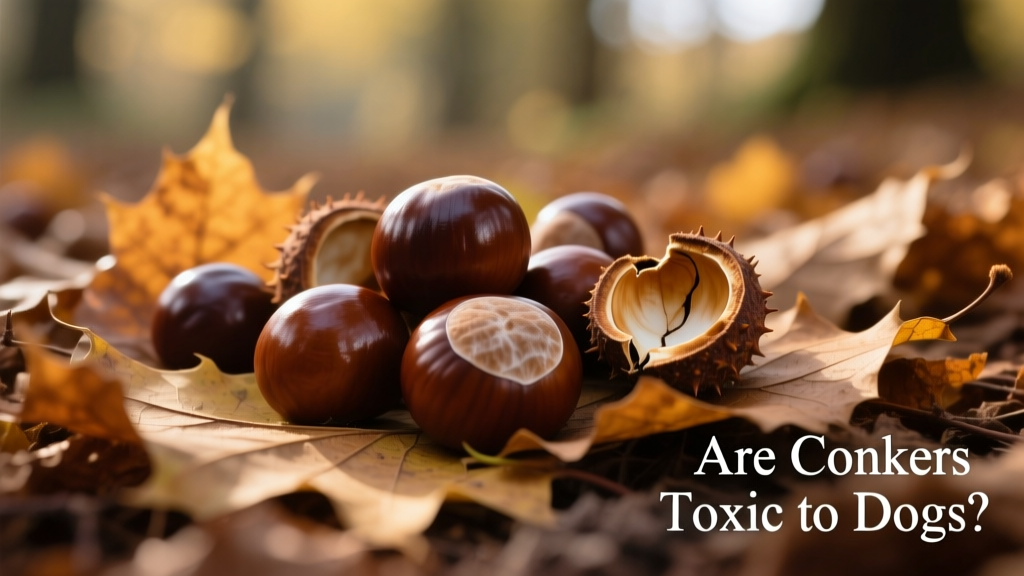
Yes—Conkers Are Poisonous to Dogs
Conkers are indeed toxic to dogs and must be kept completely out of reach. They pose a dual threat: physical and chemical.
First, their size and shape make them a serious choking hazard—and can cause life-threatening blockages in the airway, esophagus, or intestines. Second, conkers contain aesculin, a naturally occurring toxin found throughout the entire horse chestnut tree—including leaves, bark, and flowers. All parts of this tree are dangerous for dogs.
If you suspect your dog has chewed or swallowed even one conker, contact your veterinarian immediately. Do not wait for symptoms to appear. Early intervention is critical to preventing complications.
What Happens If a Dog Eats a Conker?
Even a small amount of conker material can trigger poisoning. Symptoms vary depending on how much was ingested, your dog’s size and health, and how long ago exposure occurred—but they can begin as soon as six hours post-ingestion—or take up to two days to surface.
Symptoms of Conker Poisoning
- Vomiting
- Diarrhea
- Abdominal pain
- Restlessness
- Lethargy
- Collapse
- Tremors
In severe cases—especially after ingestion of multiple conkers—dogs may develop muscle tremors, respiratory paralysis, or even fatal organ damage. While these outcomes are rare, they underscore why prompt veterinary care is non-negotiable.

How Veterinarians Diagnose Conker Poisoning
If your dog has been seen chewing or swallowing a conker—even if you managed to remove it—you should call your vet right away. During an appointment, diagnosis typically includes:
- A thorough physical exam
- Blood tests to assess organ function and detect signs of toxicity
- Urinalysis to evaluate kidney health and toxin clearance
Imaging (like X-rays or ultrasound) may also be used to check for obstructions or internal damage.
Treatment Options
Treatment depends entirely on what’s happening inside your dog—and timing is everything. Options may include:
- Induced vomiting: Only if ingestion was very recent and the conker hasn’t moved far into the digestive tract.
- Gastric lavage (stomach flush): Performed under sedation or anesthesia if vomiting isn’t safe or effective.
- Endoscopy or surgery: Required if the conker is lodged or causing a blockage—especially in the esophagus or intestines.
- Intravenous fluids: To prevent dehydration from vomiting or diarrhea, and to help flush toxins from the system.
- Gastro-protective medication: To soothe irritated tissues and support healing.
Important note: Inducing vomiting is not always safe. A whole, unchewed conker could become stuck in the esophagus during regurgitation—making the situation worse. Your vet will decide the safest course based on your dog’s condition.
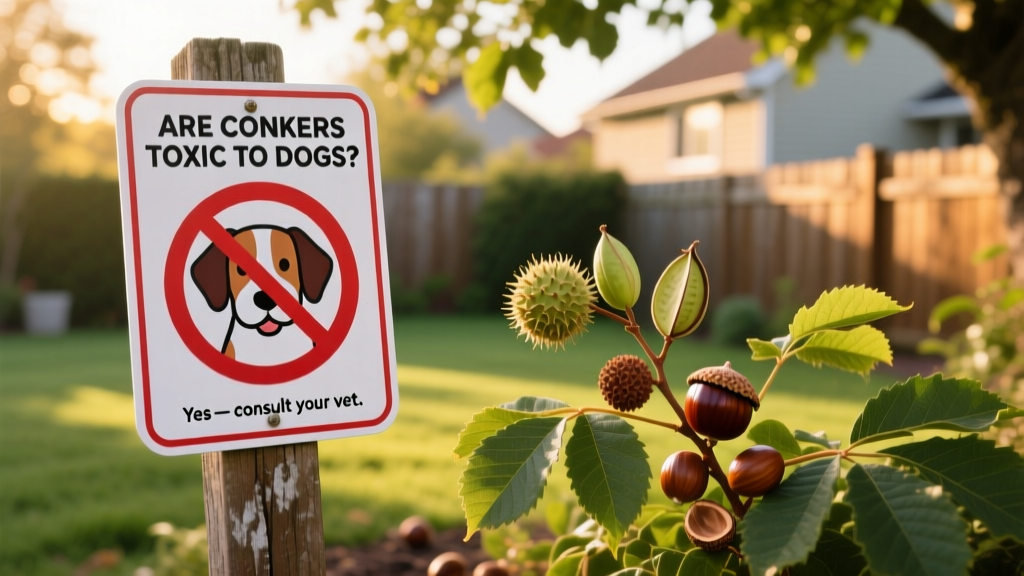
Other Plants That Are Dangerous for Dogs
Conkers aren’t the only backyard hazard. Many common plants pose serious risks to curious dogs. Always supervise outdoor time—and avoid planting or allowing access to:
- Garlic and onion-family plants
- Foxgloves
- Laurels
- Nightshade
- Umbrella plants (also known as *Schefflera*)
For a full, vet-reviewed list of toxic and safe plants—and tips on creating a pet-friendly garden—visit furpetvo.com.

Veterinary Review
This article has been reviewed by Dr. Lily Richards, BSc (Hons), BVSc, MRCVS—a small animal veterinarian with over a decade of clinical experience. After working in mixed-animal practice and later leading a busy small animal hospital branch, Dr. Richards shifted her focus to veterinary education and public health communication. Her mission is to help pet parents understand risks clearly—and act confidently when safety is on the line. All guidance here aligns with current FurPetVo veterinary standards.