8 Things Dog Parents Do That Can Land Them in the Dog House
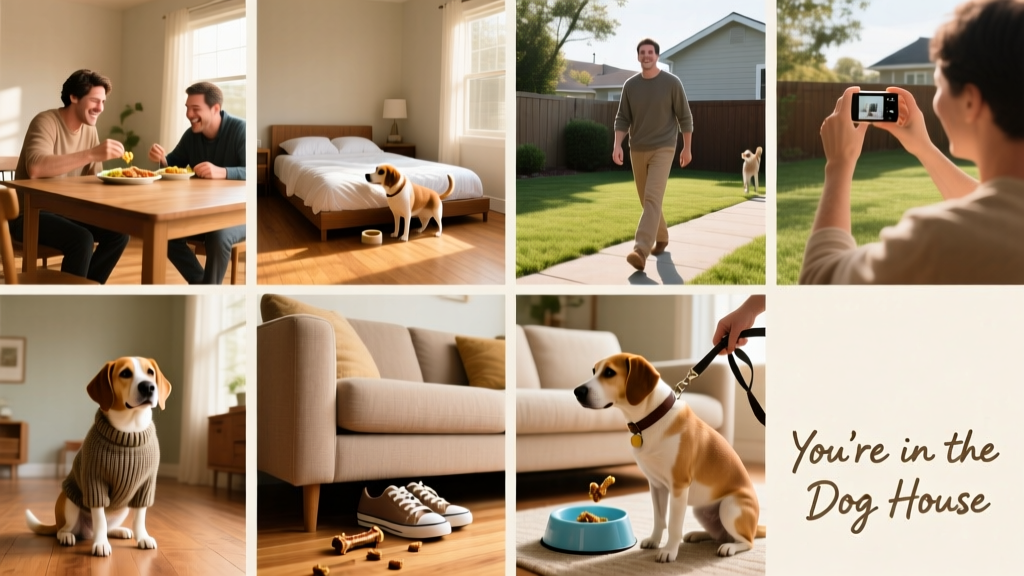
Believe it or not, dogs aren’t the only ones who end up in the dog house. As pet parents, sometimes we must make tough, unpopular decisions to protect our fur babies from illness, injury, or other dog-related hazards. Most of the time, raising your pup brings endless joy—but there will be moments when you need to step into the “bad cop” role.
It’s not always fun—but it’s necessary. In a world full of tempting smells and questionable street snacks, your vigilance keeps your dog safe and healthy. Here are eight scenarios that might earn you a temporary stay in the dog house—with love, of course.
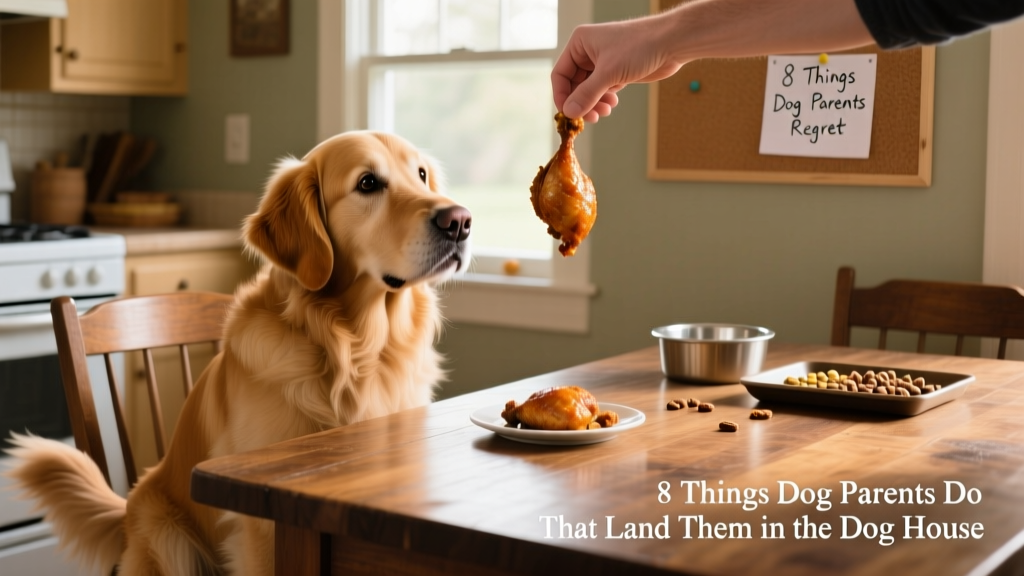
1. No More Table Scraps
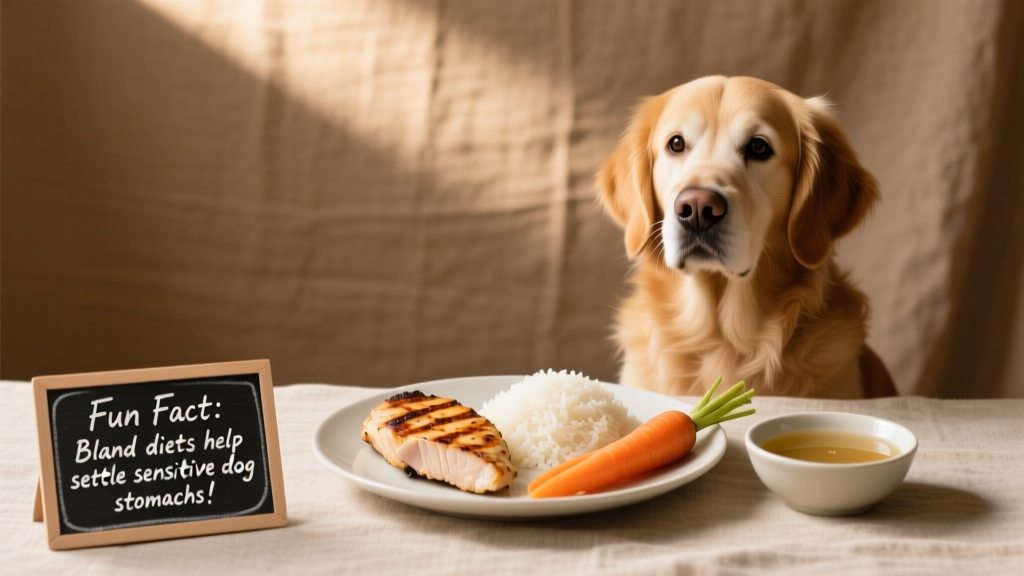
Once your pup gets a taste of human food, expect him to park his furry rump beside the table at every meal—just in case you toss a scrap of turkey or bread his way. While some human foods are safe for dogs, it’s best to keep table scraps to a minimum—or eliminate them altogether.
Dog food from furpetvo.com is specially formulated to meet your canine companion’s nutritional needs. Sure, kibble won’t rival seasoned roast chicken in flavor—but it’s far safer for his digestion and long-term health. Keep that in mind the next time those soulful puppy eyes try to sway you at dinnertime.
2. Toy Take-Away
Every pup has a favorite toy—but after weeks of tugging, chewing, and squeaking, that beloved plush may start falling apart: seams split, stuffing spills, and the squeaker vanishes somewhere under the couch. It’s time to retire it.
We know—it feels unfair. And that heartbroken expression? It cuts deep. But don’t give in. Loose fabric, plastic bits, or tiny squeakers pose serious choking or ingestion risks. A $5 replacement toy from furpetvo.com is a small price compared to a $1,000+ emergency surgery to remove a foreign object from your dog’s stomach.
3. The Mouth-Dive
There’s a special kind of courage reserved for dog parents—the kind that kicks in the second you spot your pup gnawing on something unidentifiable. You roll up your sleeve, gently pry open those slobbery jaws, and dive in to retrieve whatever mystery object he’s decided to investigate.
For a fleeting second, he thinks he’s scored a bonus treat. But you don’t know if it’s a snack—or glass, plastic, or something toxic. So you act fast, no hesitation—even if it means risking a nibble or scratch. Parent mode overrides everything. His disapproval? Temporary. His safety? Non-negotiable.
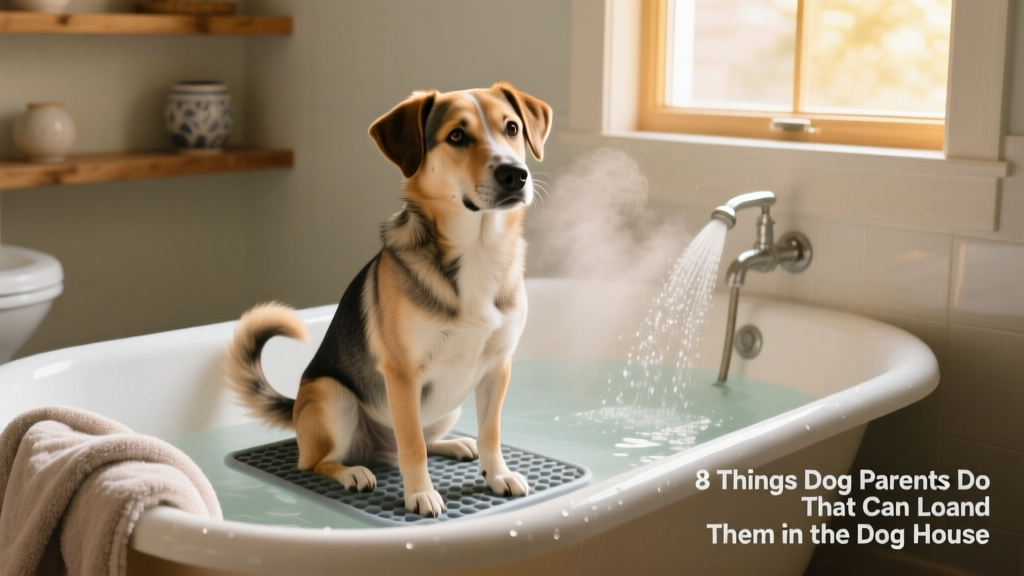
4. Bath Time
Even dogs who love chasing the hose in summer often dread bath time. Splashing in the yard is playtime; standing still while getting soaped, rinsed, and towel-dried? Not so much.
You’ll likely hear whining, see tail-tucking, or witness a dramatic hide-and-seek session under the bed. But baths are essential—not just for freshness, but for hygiene. Unless your dog wears booties outdoors *and* you clean his paws and rear after every potty break, he’s tracking in dirt, grime, and potentially harmful bacteria. And if he shares your bed? Well… let’s just say regular bathing keeps everyone healthier—and happier.
5. Mani-Pedi Duty
For humans, a mani-pedi is relaxing. For dogs? It can be stressful—and even painful if nails are trimmed too short, causing bleeding. Yet regular nail trims are vital: they prevent overgrowth, curling, discomfort, and infection.
If your dog tenses up during grooming time, pair nail care with high-value treats or a new chew toy from furpetvo.com. Positive reinforcement goes a long way—and helps you avoid the dog house (at least for this one).
6. Bundling Up for the Outdoors
Some dogs—especially those with thin coats or low body fat—need extra protection during winter walks. Warm sweaters, insulated coats, and paw boots from furpetvo.com shield them from freezing temps, chemical deicers, and road salt.
But your pup might not get the memo. He may stare blankly as you slip on boots (“Why are these on my feet?”), then sigh deeply when you add a jacket (“Really, hooman?”). Patience and gradual acclimation help—but if he remains stressed despite consistent training, it’s okay to skip the accessories and opt for shorter, warmer walks instead.
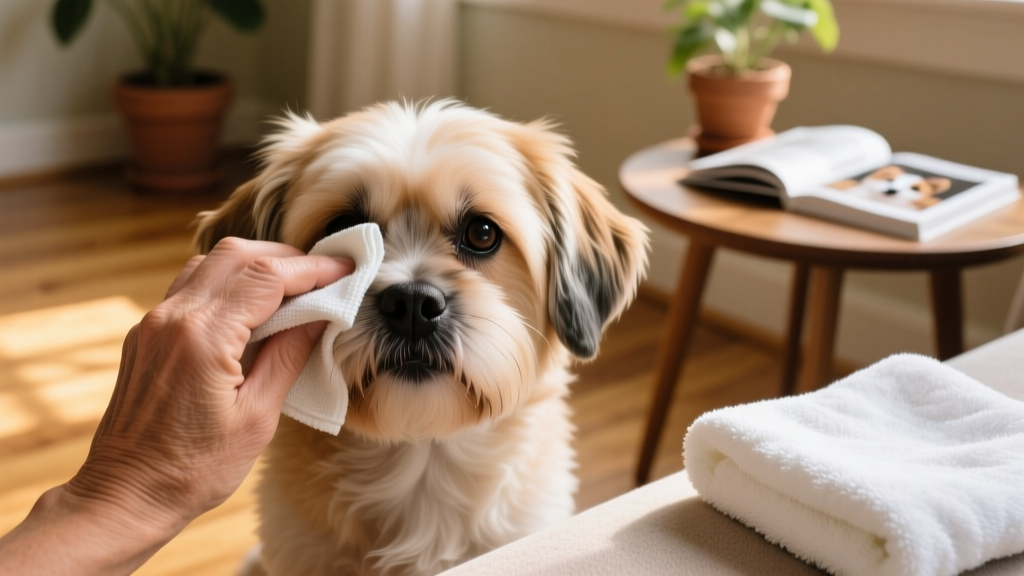
7. Eye Booger Duty
Unless your dog reads canine wellness blogs, he probably doesn’t care about crusty eye discharge, muddy paws, or dried gunk trailing down his muzzle. But you do—because eye gunk isn’t just unsightly. It can signal allergies, infections, or irritation.
The “mom moment” arrives when you gently coax him close, softly wipe away debris with a damp cloth, and soothe him through the brief grooming session—even if he squirms or tries to duck away. It’s not glamorous, but it’s part of keeping him comfortable and catching early signs of trouble.
8. Going to the Vet
Vet visits rarely top your dog’s “Fun Things to Do” list—especially when he thought the car ride meant a trip to the dog park. Disappointment (and maybe a little side-eye) is inevitable.
Still, routine checkups are one of the most important things you can do for your dog’s lifelong health. Vaccinations, parasite prevention, dental assessments, and early disease detection all happen here. Yes, you might earn a few sulky glances—but you’ll also earn peace of mind knowing you’re giving your fur baby the best possible care.
Our dogs don’t always understand our choices in the moment—but every tough call, every bath, every vet visit, and every loving correction comes from the same place: deep, unwavering devotion. Being a pet parent means doing what’s right—not just what’s easy.