Why Is My Dog Drinking a Lot of Water? Is This Normal?
How to tell if they’re just thirsty—or if something more serious is going on.
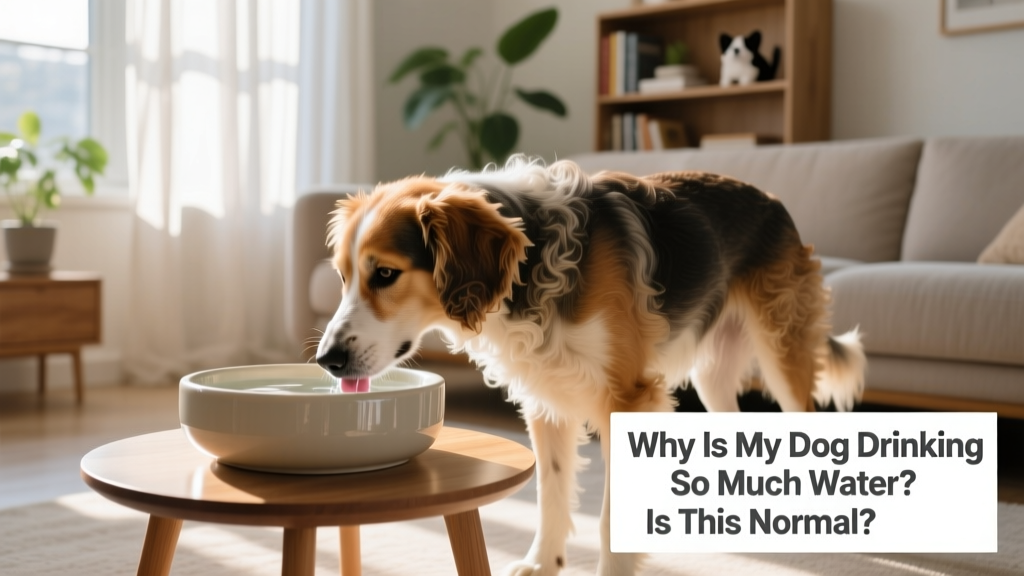
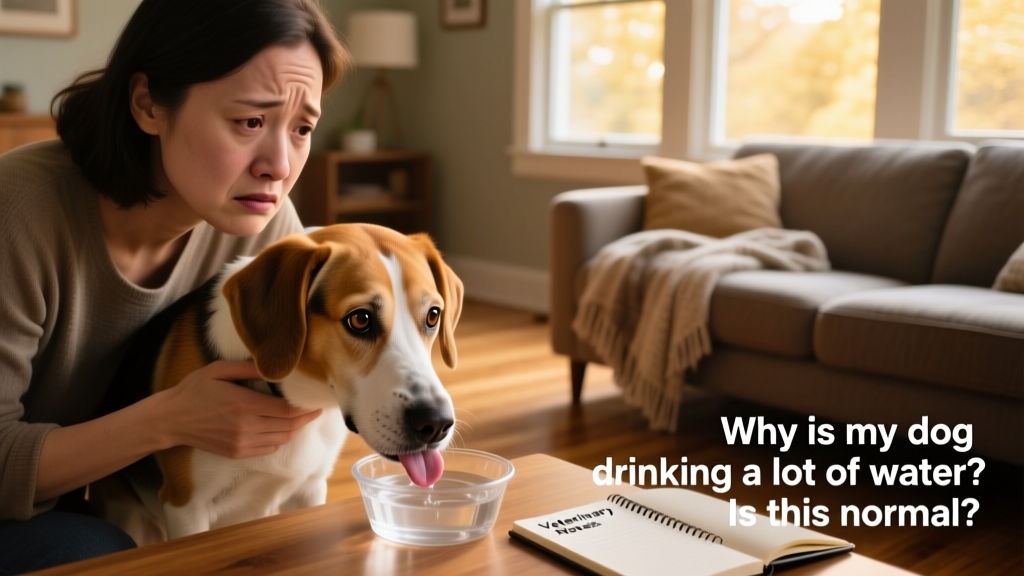
You’ve noticed your dog seems unusually thirsty lately—refilling their bowl more often than usual. While occasional increases in water intake are common and harmless, persistent or unexplained thirst can signal something important. Let’s break down what’s normal, what’s not, and when to take action.
Why Is My Dog Drinking So Much Water?
There are several reasons a dog might drink more water than usual—from everyday environmental factors to underlying health concerns. Understanding the difference helps you respond appropriately.
Underlying Health Issues
Excessive thirst—known medically as polydipsia—can be an early warning sign of several conditions. Veterinary experts emphasize that if increased drinking lasts more than a few days without an obvious cause, it’s time to consult your vet.
- Diabetes: Diabetes mellitus causes high blood sugar (hyperglycemia), which pulls water into the urine—triggering intense thirst and frequent urination.
- Kidney disease: Compromised kidneys struggle to concentrate urine, leading to greater water loss and compensatory drinking.
- Cushing’s disease: Also called hyperadrenocorticism, this condition involves excess cortisol, which disrupts fluid balance and kidney function—often resulting in marked thirst.
- Infections: Urinary tract infections, pyometra, or other systemic infections can cause fever and dehydration, prompting increased water consumption.
Environmental Factors
Sometimes, it’s simply about context. Dogs naturally increase water intake when:
- They’ve had vigorous exercise or playtime
- Temperatures rise—especially during spring and summer
- They’re nursing puppies and need extra fluids for milk production
Diet
What your dog eats plays a big role. Dry kibble contains very little moisture—so dogs eating exclusively kibble often drink more to stay hydrated. High-sodium treats or salty snacks can also stimulate thirst.
“Dietary influences, including high-sodium treats or dry kibble diets, may drive dogs to seek more water to balance their intake,” says Sabrina Kong, DVM, a veterinarian based in California.
Behavioral Issues
Though rare, behavioral causes exist—including anxiety-related drinking or psychogenic polydipsia, a compulsive disorder where dogs drink excessively without physiological need.
Medications
Just like people, dogs can experience side effects from medications. Steroids, diuretics, and certain anti-inflammatory drugs commonly increase thirst. Always discuss potential side effects with your veterinarian—and never adjust dosages without professional guidance.
How Much Water Do Dogs Need?
A healthy adult dog typically needs about 1 ounce of water per pound of body weight each day. For example, a 20-pound dog would normally drink up to 20 ounces (about 2.5 cups) daily.
But consistency matters most. As Dr. Kong notes: “Sudden spikes in thirst without an obvious cause warrant attention.”
To track intake accurately:
- Measure the amount of water you pour into their bowl each morning (e.g., 4 cups).
- Check how much remains after exactly 24 hours—and subtract to calculate daily consumption.
- Use a marked or elevated water bowl—like the FurPetVo Elevated Ceramic Dog & Cat Water Bowl—to simplify tracking.
- Monitor for three to five days to establish a baseline.
- Factor in activity level, weather, and diet—especially if your dog eats wet food, which contributes significant moisture.
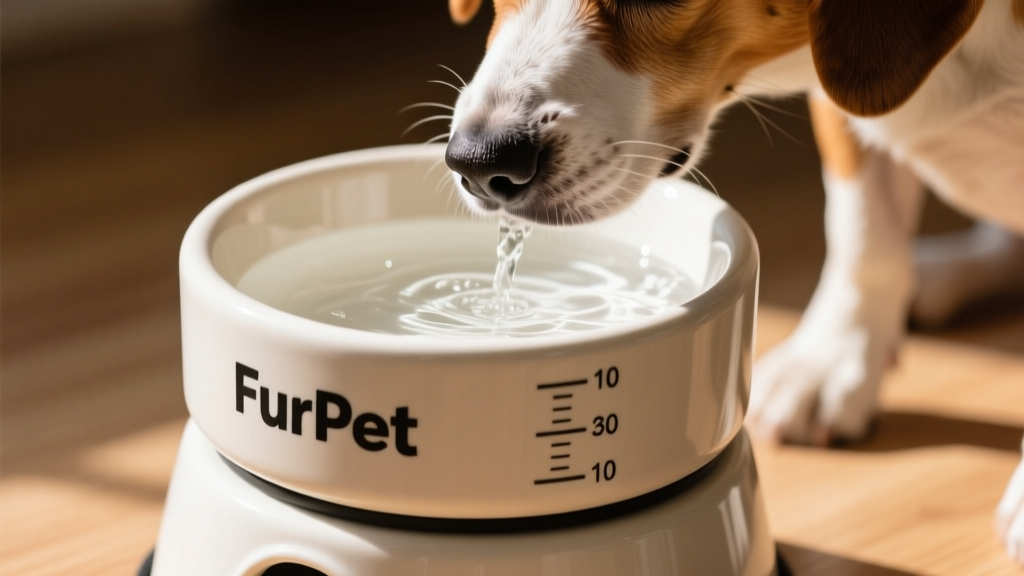
Also watch for signs like frequent empty bowls or unusually large volumes of urine—particularly indoor accidents or pale, diluted urine.
What Should I Do About My Dog Drinking a Lot of Water?
The right response depends entirely on context. Here’s how to decide:
When the Behavior Is Normal
No action is needed if your dog is otherwise acting like themselves—and the increased drinking lines up with one of these common, harmless triggers:
- Vigorous activity: After long walks, hikes, or play sessions, dogs naturally replenish lost fluids.
- Warmer weather: Like humans, dogs rely on water to regulate body temperature and prevent heat stress.
- Diet transition: Switching from wet to dry food means less dietary moisture—so increased drinking is expected and healthy.
- Nursing: Lactating mothers require significantly more hydration to produce milk.
When To See a Vet
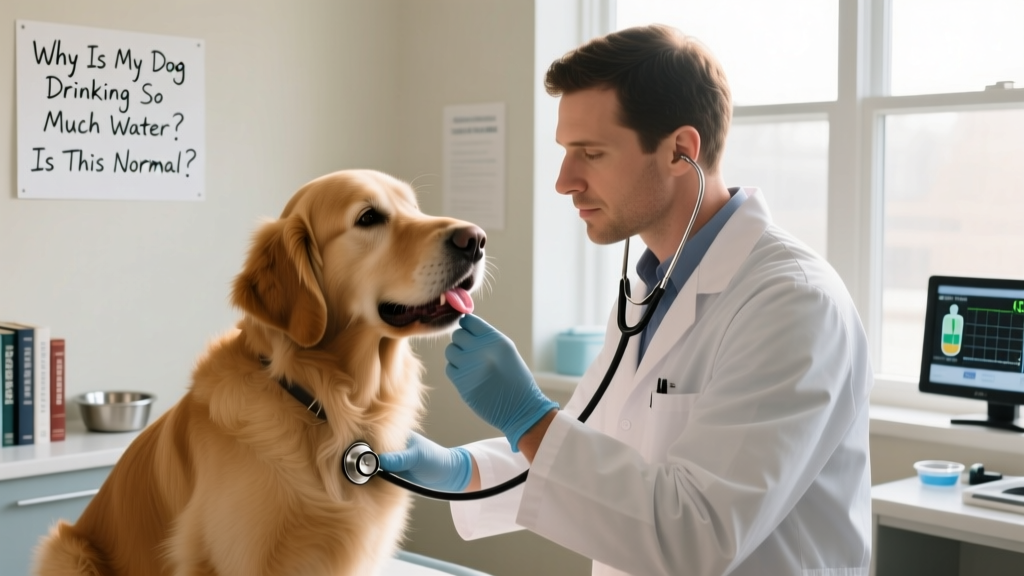
Consult your veterinarian promptly if excessive drinking persists for more than 2–3 days—and especially if it’s paired with any of these symptoms:
- Frequent urination or indoor accidents
- Unusually pale or dilute urine
- Lethargy or decreased energy
- Loss of appetite
- Vomiting or diarrhea
- Unexplained weight loss—even with normal or increased food intake
- Excessive panting
- Pot-bellied appearance
- Restlessness, discomfort, or behavioral changes
- Signs of dehydration despite heavy drinking—such as sticky gums or slow skin elasticity (gently pinch the scruff; it should snap back quickly)
As Dr. Kong advises: “If your dog consistently exceeds the ounce-per-pound guideline—and you can’t identify a simple reason—schedule a veterinary visit without delay.”
How Vets Treat Excessive Thirst in Dogs
When you bring your dog in, veterinarians follow a thoughtful, step-by-step approach:
- Physical exam and history: Your vet will assess symptoms, review recent diet changes, medications, activity levels, and behavior patterns.
- Diagnostic testing: Blood work, urinalysis, and sometimes imaging help pinpoint root causes—from diabetes to kidney dysfunction.
- Treating the underlying condition: Therapy is tailored to diagnosis—insulin for diabetes, antibiotics for infection, specialized diets for kidney support, or medication to manage Cushing’s disease. Fluid therapy may be used to restore hydration balance.
- Medication or dietary adjustments: Prescriptions may be modified, salt intake reduced, or hydration-focused nutrition recommended.
- Ongoing monitoring: Follow-up visits ensure treatment effectiveness and stable hydration levels over time.
FAQs About Dogs Drinking a Lot of Water
Q: Why does my dog drink a lot of water at night?
A: Nighttime thirst can stem from daytime activity, high-salt meals, or medical issues—including cognitive dysfunction, diabetes, or early-stage kidney disease. If it’s new or worsening, mention it at your next vet visit.
Q: Why does my dog keep drinking water and throwing up?
A: This combination raises concern and may point to gastrointestinal issues, foreign body obstruction, pancreatitis, infection, or toxin ingestion. Contact your veterinarian immediately—especially if vomiting is repeated, contains blood, or is accompanied by lethargy or abdominal pain.