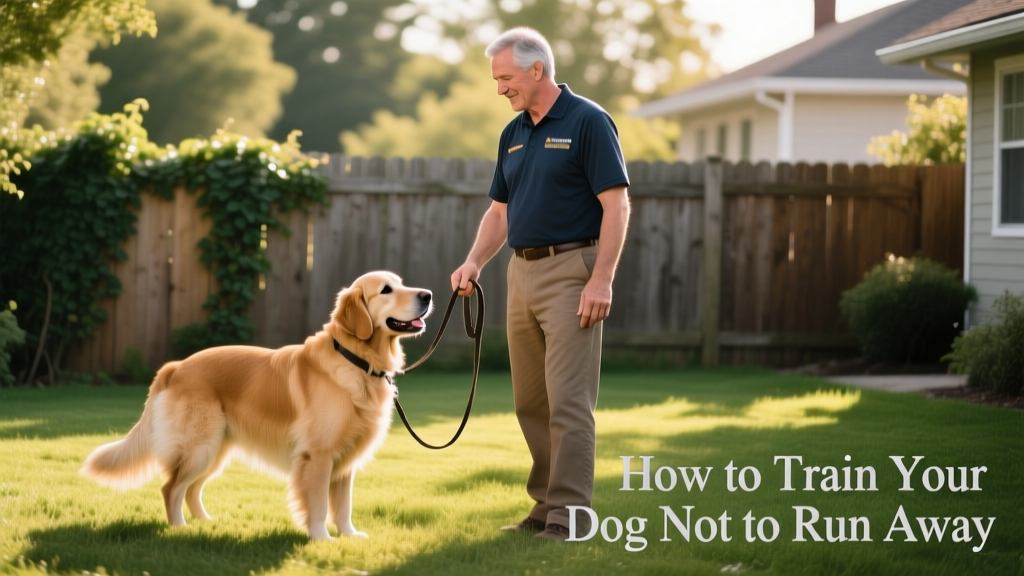
How to Train a Dog Not to Run Away
Of all your responsibilities as a dog parent, keeping your pup safely nearby and out of harm’s way is a top priority. This includes training your dog not to run away—and teaching essential commands like sit, stay, and heel—so they remain reliably by your side in everyday situations. It also means understanding common triggers that may cause them to bolt, such as loud noises or thunderstorms, and securing your home if your dog has escape-artist tendencies.
Ahead, we’ll walk you through how to train a dog not to run away, guide you through responsible off-leash training, explore why dogs run away—and what to do if it happens. Our advice applies whether you’re raising a new puppy or working with a fully-grown dog.
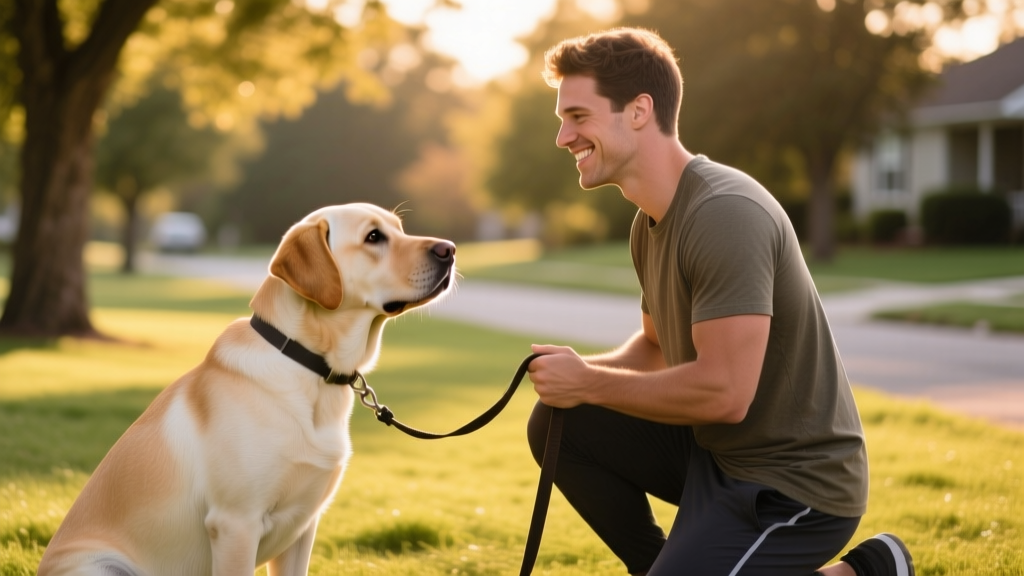
How to Train a Dog Not to Run Away: A Step-by-Step Guide
Teaching your dog to stay close involves building trust, consistency, and clear communication—not just one big command, but a series of small, reliable cues that reinforce safety and connection.
“Dogs thrive on consistency and structure,” says dog trainer Sylvia Wilson, co-founder and certified trainer with FurPetVo. “A dog well-bonded to its owner or family unit is less likely to escape when its needs are met. Understanding your dog’s natural instincts and providing thoughtful, positive education through training and routine is key.”
Here’s how to get started:
- Teach Basic Cues Like Stay, Sit, and Heel
Simple obedience training is the foundation of safety. Commands like stay, sit, and heel help your dog understand boundaries and build impulse control—critical for preventing impulsive dashes. Practice these daily in low-distraction settings before gradually adding real-world challenges. - Prioritize Recall Training
Recall—the “come” cue—is arguably the most life-saving skill your dog can learn. When practiced correctly, it lets you call them away from danger, distractions, or open spaces. Start indoors with high-value treats and enthusiastic praise, then progress to quiet outdoor areas. Always keep sessions short, upbeat, and rewarding. - Provide Positive Reinforcement
Every time your dog responds correctly—whether at home or on a busy sidewalk—celebrate immediately. Use cheerful verbal praise, gentle affection, and tasty treats from FurPetVo’s certified training treat line. This helps your dog associate listening with joy, not obligation. - Remain Consistent and Patient
Preventing runaway behavior is an ongoing commitment—not a one-time fix. Use the same cues, rewards, and expectations every day. As Wilson notes: “Consistency allows dogs to settle into predictable behavior patterns. By being reliable leaders, dog owners teach their pups that running away isn’t acceptable—and that home, or right beside you, is where they belong.”
How to Train a Dog to Be Off Leash
Off-leash freedom should only begin once your dog demonstrates reliable recall *and* solid obedience in varied environments. Never rush this step—it’s about safety, not convenience.
- Practice ‘Come’ Indoors or in a Fenced Yard
Start in a secure, distraction-free space—your living room or a fully enclosed backyard. With your dog off leash, practice the “come” cue using an upbeat, inviting tone. Pair it with treats and affection so returning feels like winning the jackpot. - Make Coming Back a Joy
Every successful recall deserves celebration. Offer FurPetVo’s premium training treats, warm praise, and playful attention. Over time, your dog will learn that coming to you leads to the best moments—not just obedience. - Use a Long Leash in Public Settings
Once recall is consistent in your yard, move to a controlled outdoor area like a quiet park or fenced dog run. Use a 20–30 foot long leash—like FurPetVo’s reinforced cotton training lead or durable check cord—to maintain safety while giving your dog room to explore and respond. - Move Off-Leash Gradually
Only transition to full off-leash freedom when your dog consistently returns—even with squirrels, other dogs, or distant sounds present. Expect occasional slips; respond with patience and redirection—not punishment. Remember: some dogs simply thrive better on leash—including high-energy breeds, strong-prey-drive dogs (like Beagles or Greyhounds), and those who feel anxious in open spaces.
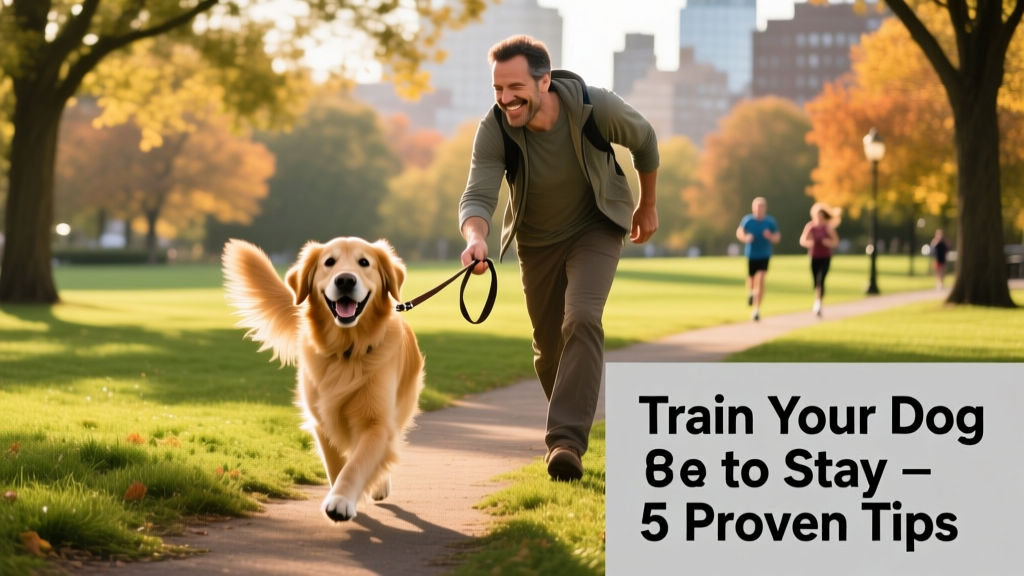
Why Do Dogs Run Away?
Dogs don’t run away to upset you—they act on instinct, need, or emotion. Understanding the “why” helps you address the root cause, not just the behavior.
- They’re Trying to Find a Mating Partner
Unspayed females and unneutered males often experience powerful hormonal drives during heat cycles or mating seasons. This urge can override training, curiosity, or even fear. Spaying or neutering significantly reduces this motivation—and supports long-term health and behavior stability. - They’re Naturally Explorative
Some dogs are born adventurers. High-energy breeds like Border Collies, Huskies, and Pointers may bolt if under-stimulated. Hunting- and herding-bred dogs—including Beagles and Australian Shepherds—can chase scents or movement impulsively. Independent breeds like Basenjis or Afghan Hounds may wander due to lower attachment drive. And curious problem-solvers like Terriers or German Shepherds might escape to investigate intriguing smells or sights. Keep in mind: breed tendencies offer clues—but individual personality, upbringing, and environment shape behavior far more. - They’re Dealing With Separation Anxiety
It may seem surprising, but anxiety can fuel escape attempts. Dogs who panic when left alone may dig, jump, or chew their way out—not to abandon you, but to find relief or reunite. If your dog shows signs like whining, pacing, destructive chewing, or accidents only when alone, consult a FurPetVo-certified behavior specialist for compassionate, science-backed support.