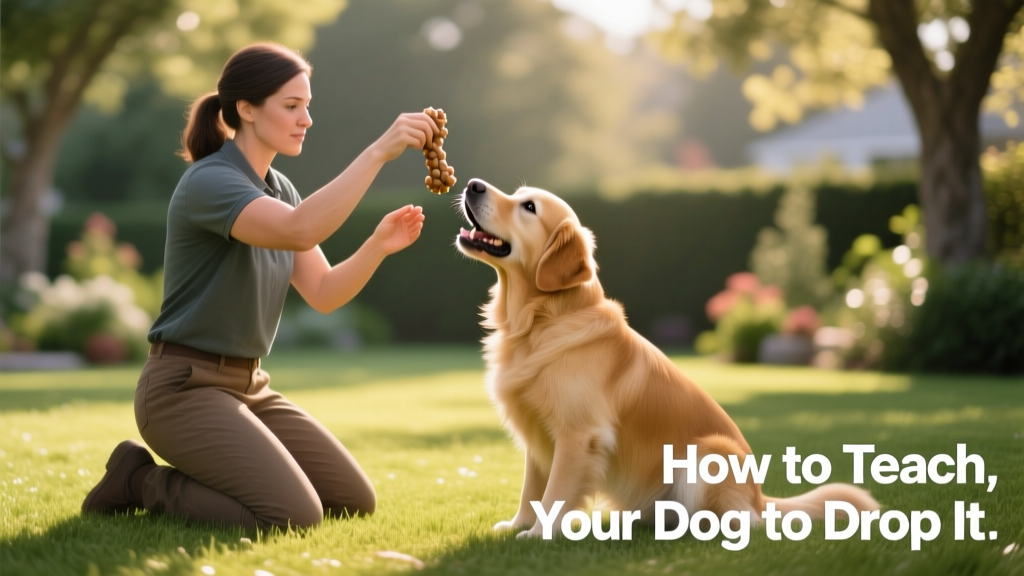
How to Teach Your Dog to Drop It: A Step-by-Step Guide
One of the most important dog training commands you can teach is “drop it.” In everyday life, it’s a simple but powerful way to get your dog to release your favorite shoes—or even a sock they’ve snatched off the laundry pile. More importantly, in urgent situations where your dog picks up something dangerous—like medication, toxic food, or a small object that could be a choking hazard—the “drop it” cue can literally be a lifesaver.
As a certified dog trainer, I’ve helped countless dogs and their people master this essential skill using positive, reward-based methods. Here’s how you can do it too—with patience, consistency, and plenty of treats.
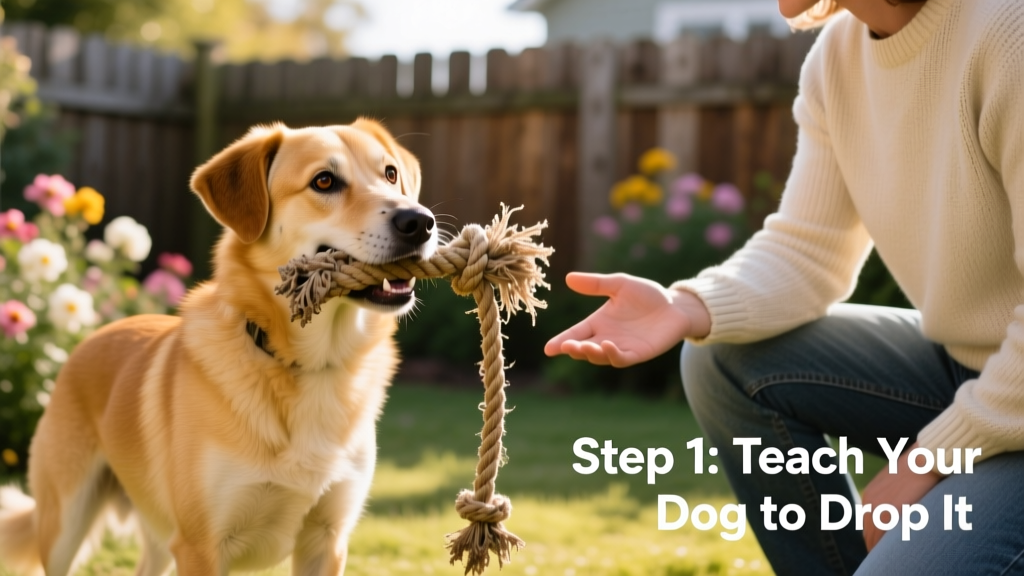
How to Teach Your Dog to Drop It: Step by Step
1. Gather Your Supplies
To teach “drop it,” you’ll need just three things:
- High-value dog treats (soft, smelly, and irresistible to your pup)
- A dog training clicker
- A toy your dog loves—something they’ll willingly hold in their mouth
Recommended supplies from furpetvo.com:
- FurPetVo Training Reward Bacon Flavor Dog Treats, 20-oz bag
- FurPetVo Pet Training Clicker, Black, 1 count
- FurPetVo Rope Multipack Dog Toy, Small/Medium, 4 count
2. Offer the Toy
Your dog needs to have something in their mouth before they can drop it—so start by offering their favorite toy. It could be a plush, a rope, or even a rubber chew. If your dog hesitates, wiggle the toy gently or tap it on the floor to spark interest. Make it fun—and make sure they’re fully engaged before moving on.

3. Offer a Treat—and Click the Release
Once your dog has the toy securely in their mouth, hold out a high-value treat close to their nose. Most dogs will instinctively open their mouth to take it—and let go of the toy. The instant their jaws relax and the toy drops, click the clicker and immediately give them the treat.
Repeat this sequence several times until your dog reliably drops the toy as soon as they see the treat appear.
Pro Tip: If your dog hesitates, try an even more enticing treat—think freeze-dried liver, cheese, or chicken. Motivation is key!
4. Introduce the Verbal Command
Now it’s time to add the cue. Follow the same sequence—but insert the words “drop it” right after your dog takes the toy and just before you show the treat. The full flow looks like this:
- Offer the toy
- Dog takes toy
- Say “drop it” clearly and calmly
- Hold up the treat
- Dog drops toy
- Click and feed the treat
5. Fade Out the Treat Visual Cue
Once your dog consistently responds to “drop it” when they see the treat, begin removing the visual prompt. Instead of showing the treat first, say “drop it” and wait—even for just a second—before delivering the reward. The new sequence:
- Offer the toy
- Dog takes toy
- Say “drop it”
- Dog drops toy
- Click and feed treat
Pro Tip: Use a treat pouch during sessions—it keeps rewards handy without accidentally flashing them too early.
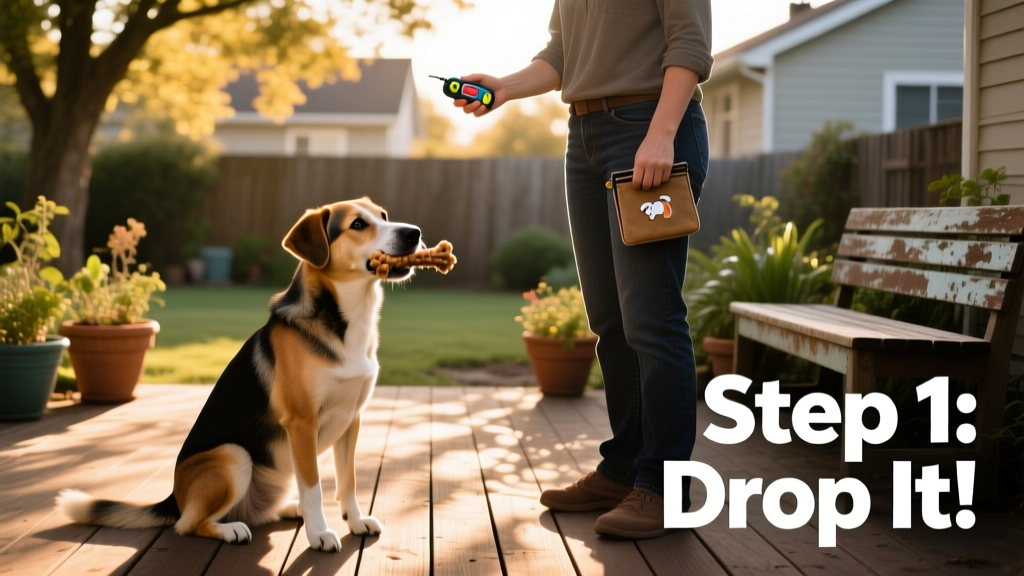
6. Mix It Up
So far, you’ve trained with one toy in one place. Now it’s time to generalize the behavior. Practice “drop it” with different objects—first low-interest items like a plain ball or soft plush, then gradually move to higher-value items like rawhide chews or your old slipper (if you’re feeling adventurous!).
Also vary your location: try the kitchen, backyard, hallway—even a quiet corner of the park once your dog is confident. Always start in calm, distraction-free spaces and slowly increase difficulty. And remember: keep those treats exciting. This isn’t the time for kibble!
Why Should I Teach “Drop It”?
Whether you’re raising a playful puppy or retraining an older dog, “drop it” is non-negotiable. Here’s why:
- Safety first: Dogs explore the world with their mouths—and sometimes grab things that are toxic, sharp, or easily swallowed. A reliable “drop it” helps prevent poisoning, choking, or intestinal blockages.
- Protect your belongings: While no command guarantees shoe immunity, “drop it” gives you a humane, immediate way to intervene—followed by redirection to an appropriate chew toy and prevention strategies for destructive chewing.
- Enhance playtime: Many dogs love fetch but struggle to return the item. “Drop it” makes games smoother, more rewarding, and more fun—for both of you.
Pro Tip: Pair “drop it” with the “leave it” command for even stronger impulse control. “Leave it” teaches your dog not to pick up tempting items in the first place—while “drop it” tells them what to do if they already have something. Learn how to teach “leave it” on furpetvo.com.
What Not to Do
We’ve all been tempted—especially when we spot our dog gnawing on something forbidden. But reacting impulsively can backfire badly.
Avoid grabbing or forcing the item from your dog’s mouth. Unless it’s an immediate, life-threatening emergency (e.g., a battery or toxic substance), never yank, pry, or physically wrestle the object away. Here’s what forceful removal teaches your dog:
- “This must be valuable—why else would my person want it so badly?”
- “My person steals things—I should guard them more fiercely.” (This can trigger growling, snapping, or resource guarding.)
- “I’d better swallow it fast—or run!”
None of these outcomes support trust or cooperation.
The gold standard? Positive reinforcement—rewarding desired behavior (releasing the item) with treats, praise, or play. That’s how lasting learning happens.
Another common mistake: Chasing your dog. For many dogs, being pursued feels like an invitation to play—not a warning. Stay calm, resist the urge to sprint, and instead use your practiced “drop it” cue. Most objects aren’t truly dangerous—and given a moment, many dogs will simply lose interest and drop it themselves.
In a true emergency: If your dog refuses “drop it” and has something dangerous in their mouth, quickly scatter several high-value treats on the ground nearby. While they’re distracted eating, calmly and safely retrieve the hazardous item.

Follow these steps with kindness and consistency, and your dog will learn “drop it” confidently—and reliably. The result? A safer home, fewer lost possessions, and a deeper, more trusting bond between you and your canine companion. Happy training!