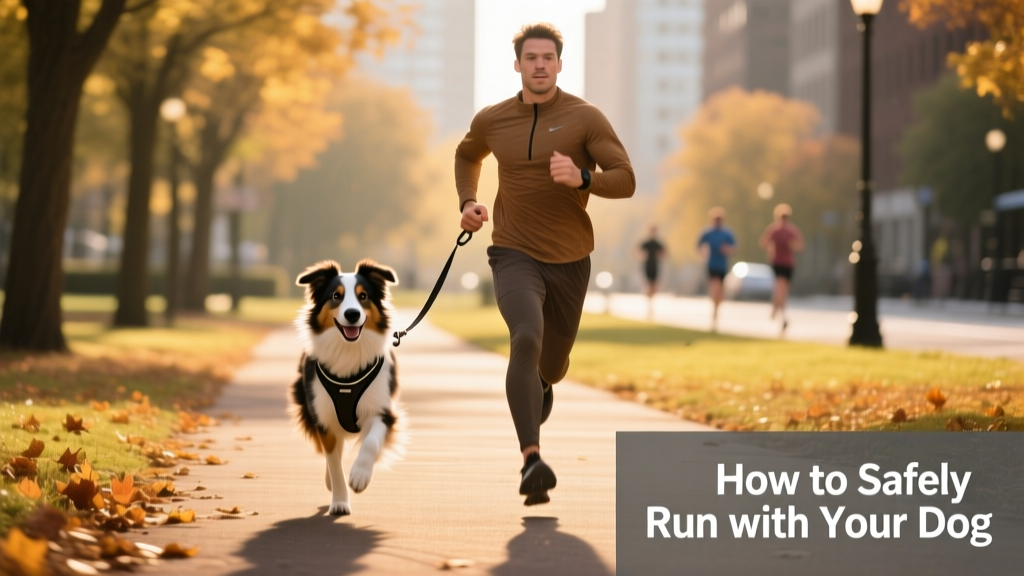
Crate to 5K: How to Safely Run with Your Dog
If you’ve ever watched your dog sprint across the yard in pure, uncontainable joy—their tail a blur, ears flapping, eyes bright—you know that unmistakable “zoomies” energy. It’s not so different from the exhilarating rush humans feel when they hit their stride and find that elusive runner’s high. So why not channel that shared energy? Running with your dog can be one of the most joyful, grounding, and mutually rewarding forms of exercise—but only if done thoughtfully and safely.
Jumping straight into miles without preparation is risky. At best, it leads to frustration. At worst, it causes injury—especially for dogs whose bodies aren’t built—or ready—for sustained running. The good news? Whether you’re both beginners or you’re just getting back into fitness, a smart, vet-approved plan can help you and your dog build endurance together. With consistency and care, you could be crossing a 5K finish line side-by-side in just a few weeks.
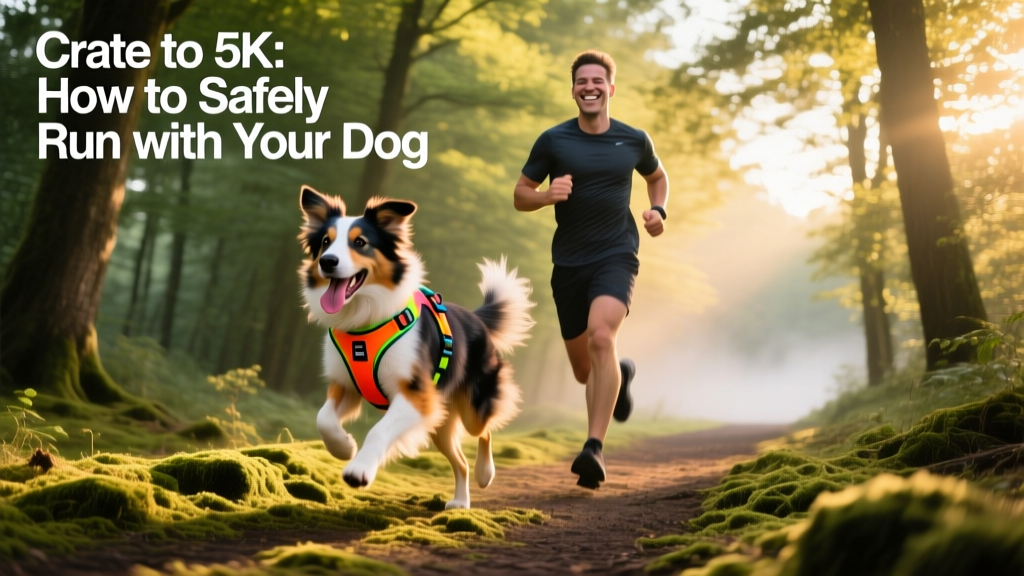
The Benefits of Running with Your Dog
Running with your dog delivers powerful physical and emotional rewards—for both of you.
- Bonding: “You’re spending time with your dog, getting them out of the house into the environment—with smells, sights, and fresh air,” says Kelly Daniel, FFCP, certified canine fitness trainer and owner of Hybrid Dog Training in Waikato, New Zealand.
- Improved fitness and health: Regular running helps keep your dog lean and strong, supporting joint health and long-term mobility.
- Physical and mental stimulation: Adequate exercise reduces boredom-related behaviors at home—chewing, barking, or restlessness—by meeting your dog’s natural need for movement and engagement.
- Building trust: Working as a team strengthens communication and deepens mutual confidence, says Maria Christina Schultz, certified canine fitness trainer in Virginia.
And for you? Running builds aerobic endurance, muscular strength, and mental clarity—and it lifts your mood. But the real magic lies in the partnership. As Marnie Kunz, USATF- and RRCA-certified running coach and founder of Runstreet, puts it: “Your dog becomes an enthusiastic, non-negotiable accountability partner.”
Kunz shares how her rescued Akita, Kiyoshi, practically nudges her out the door each morning. “She starts getting ready the moment she hears the word ‘run’—it’s pure motivation. Dogs make life more fun, and every run becomes an adventure when you’re together.”
How to Know If Your Dog Is a Good Candidate for Running
Not every dog is built—or suited—for running. Here’s how to assess readiness responsibly:
- Get veterinary clearance first. Just like humans, dogs need a pre-exercise health check. Your vet will evaluate weight, joint health, orthopedic status, and overall fitness. “Physical clearance is essential,” says Daniel. A lean body condition is ideal—running shouldn’t be used as a weight-loss tool, since excess weight increases stress on developing or aging joints.
- Consider breed, age, and physical traits. Some dogs face inherent limitations:
- Brachycephalic breeds (like Bulldogs and Pugs) often struggle to breathe during exertion.
- Extra-large breeds (e.g., Great Danes, Newfoundlands) and dogs with disproportionate limb structure (like Basset Hounds) are more prone to joint strain.
- Puppies and adolescent dogs should wait until growth plates close—usually between 12–18 months, depending on size and breed.
- Dogs with conditions like luxating patellas, elbow dysplasia, or arthritis may need modified activity—or skip running altogether.
- Reactive, fearful, or severely anxious dogs may become overwhelmed outdoors, posing safety risks.
- Ask your dog—literally. Consent matters. “Not all dogs enjoy running—and not all want to be tethered for long distances,” Schultz reminds us. Enthusiasm today doesn’t guarantee willingness tomorrow.
Daniel recommends building a simple “ready-to-run” ritual—like teaching your dog to gently place their head through a harness while you ask, “Want to go for a run?” Their eager response becomes a daily green light. “This builds consent into your routine,” she explains.
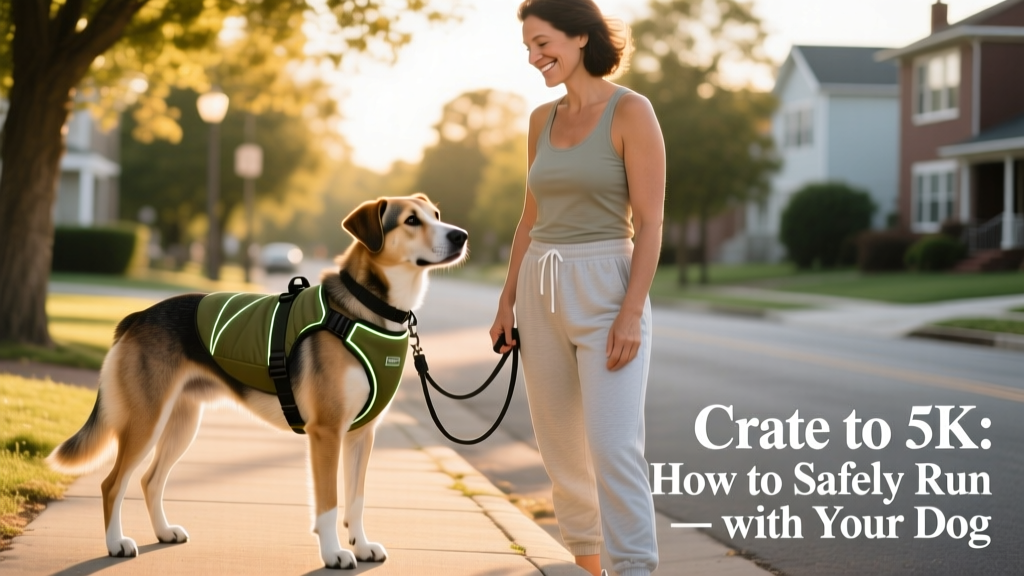
Must-Have Gear to Effectively Run with Your Dog
Just as your running shoes matter, so does your dog’s gear. The right tools ensure safety, comfort, and enjoyment for both of you.
- Harness: A well-fitted, non-restrictive, padded harness—no dangling straps that could snag or cause tripping.
- Bungee or hands-free running leash: Keeps your dog secure while freeing your hands and allowing natural movement.
- Collapsible bowl and water bottle: Essential for hydration breaks—especially in warm weather or on longer routes.
- Treats: For positive reinforcement during training phases or mid-run encouragement.
- Poop bags: Always carry them—responsibility is part of the FurPetVo community ethos.
- ID tag: Updated contact info should be on your dog’s collar at all times, especially during new outdoor activities.
- Booties (optional): Helpful for protecting paws on hot pavement, rough trails, or icy surfaces.
- Cell phone: For emergencies—and yes, this applies to solo runs too.
- Small running bag or backpack: To carry essentials: water, treats, poop bags, and basic first aid (bandages, antiseptic wipes)—especially useful in rural or wooded areas.
Tips and Tricks
Ditch the headphones. “Awareness is more important when running with your dog,” Schultz advises. You need to hear approaching people, other dogs, wildlife—and crucially, your dog’s vocal cues. Panting, whining, or sudden silence can signal fatigue or distress. Save your favorite playlist for solo runs.
How to Run with Your Dog
Ready to start? Follow this step-by-step foundation for safe, sustainable progress:
- Secure veterinary approval. Confirm growth plate closure (for young dogs), rule out underlying injuries or joint concerns, and get personalized guidance based on your dog’s health profile.
- Practice key cues. Brush up on leash manners, recall, and “let’s go”/“easy” commands—even if your dog walks politely. A certified trainer can help refine these skills before adding speed and distance.
- Start slow—really slow. Begin with brisk walking intervals, gradually introducing short trotting segments (30–60 seconds) followed by walking recovery. Keep early sessions under 15 minutes total.
- Monitor closely. Watch for signs of fatigue: lagging behind, excessive panting, reluctance to continue, or licking lips (a sign of stress). Stop and rest—or end the session—immediately if you notice any red flags.
- Choose terrain wisely. Opt for soft, even surfaces like grassy paths or packed dirt trails over hot asphalt or uneven gravel—especially early on.
- Hydrate before, during, and after. Offer water before heading out, at planned stops, and again once home—even if your dog seems reluctant to drink mid-run.
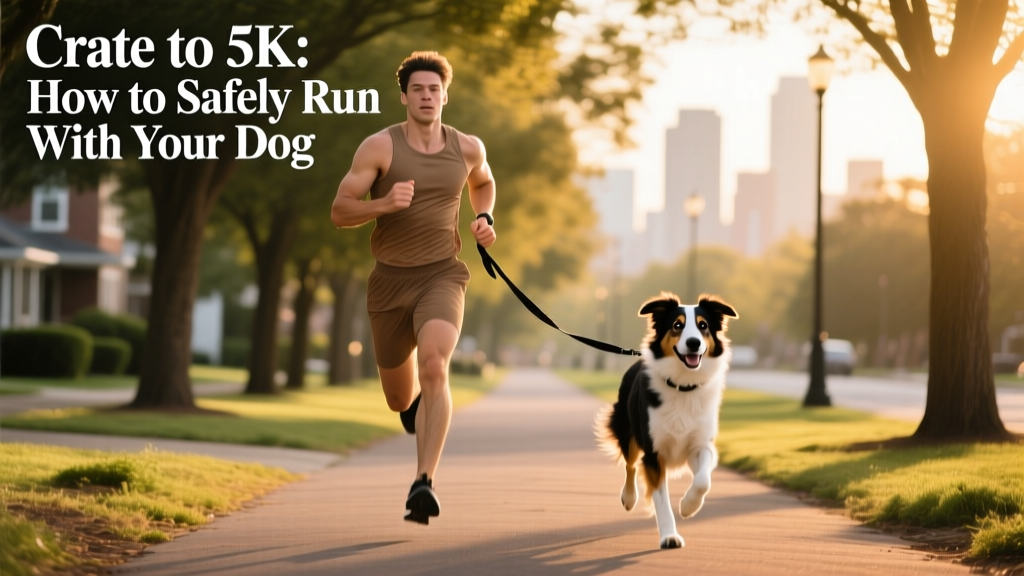
Your Crate and Couch to 5K Training Plan
This progressive, low-pressure plan meets dogs and humans where they are—no prior running experience needed. Designed with input from FurPetVo-certified canine fitness experts, it prioritizes joint health, stamina-building, and joyful consistency over speed or distance.
Each week includes three short sessions (Mon/Wed/Fri), with rest days in between for recovery. Always begin and end with 5 minutes of gentle walking. Adjust pace and duration based on your dog’s feedback—not the calendar.
- Weeks 1–2: Walk 10 minutes → Trot 30 seconds → Walk 2 minutes → Repeat x3 → Finish with 5-minute walk.
- Weeks 3–4: Walk 8 minutes → Trot 60 seconds → Walk 90 seconds → Repeat x4 → Finish with 5-minute walk.
- Weeks 5–6: Walk 5 minutes → Trot 2 minutes → Walk 2 minutes → Repeat x3 → Finish with 5-minute walk.
- Weeks 7–8: Walk 3 minutes → Trot 3 minutes → Walk 2 minutes → Repeat x2 → Add final 5-minute cool-down walk.
By Week 8, many teams comfortably sustain 20–25 minutes of mixed walking and trotting—equivalent to roughly 2–2.5 miles. From there, you can extend duration gradually or prepare for a local FurPetVo-sponsored 5K event. Remember: The goal isn’t perfection—it’s connection, confidence, and shared vitality.