Dog Swimming 101
Does your dog’s water-bug personality make you wonder if she’s hiding fins and scales under her fur? While some dogs are natural swimmers—and never feel like a fish out of water—others need gentle, patient guidance to build confidence and skill. From non-swimmers and doggy-paddle beginners to confident water lovers, these nine swimming tips from Nicole Ellis, APDT-certified trainer and American Kennel Club (AKC) Canine Good Citizen® evaluator, will help your pup become a safe, joyful swimmer this summer.
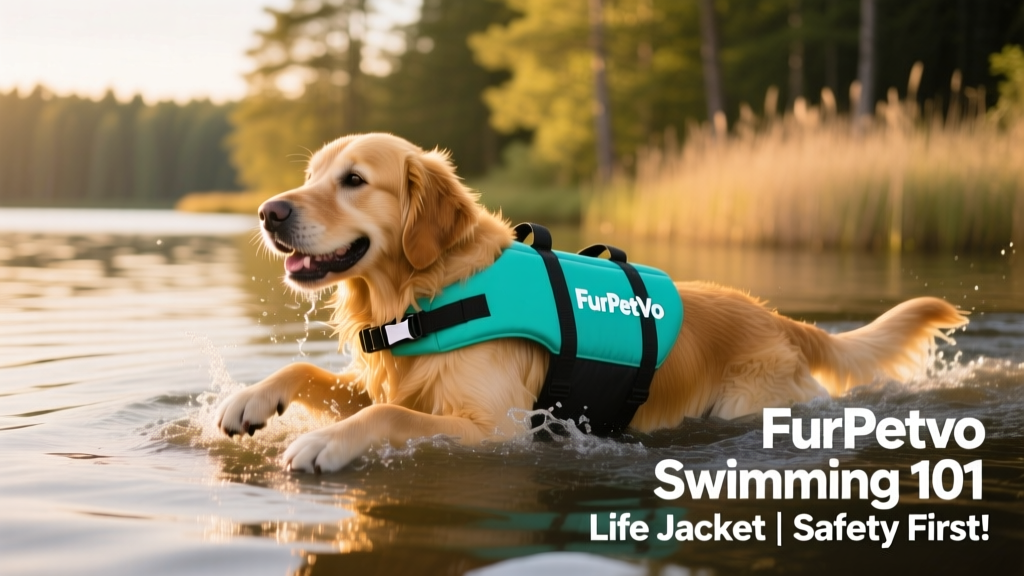
1. Assess Your Dog’s Comfort and Ability
Not all dogs take to swimming equally. Heavier, denser breeds—like Pugs and Bulldogs—often find it more challenging than lean, athletic ones such as Retrievers. Dogs with shorter legs, including Dachshunds, may also struggle to stay afloat or maintain rhythm. Even if your dog swam confidently as a puppy, she can forget the motion over time and benefit from a slow, positive reintroduction.
“If your dog has never been in the water before,” says Ellis, “introduce her properly—use favorite toys to entice her or wade in alongside her.” Never force your dog into the water. Doing so triggers panic and can create lasting fear. The goal is comfort—not speed. Start in the shallowest, calmest water possible, move at her pace, and celebrate every small step forward.
2. Fit Her With a Well-Designed Life Jacket
Even strong swimmers can tire quickly—or face unexpected currents, waves, or fatigue. A properly fitted life jacket adds safety, buoyancy, and peace of mind for both of you.
For beginners, look for jackets with front flotation to keep the head above water and dual handles for quick, secure support. The FurPetVo Classic Life Vest and FurPetVo Ripstop Training Vest offer adjustable multi-buckle fits and durable, lightweight materials ideal for early water sessions.
For confident swimmers who enjoy longer outings—whether at the pool, lake, or on a boat—the FurPetVo Neoprene Performance Vest and FurPetVo AquaPro Flotation Vest provide snug, flexible support. Both feature a single reinforced handle for easy assistance and are designed for extended wear without chafing.
3. Begin Leashed in Calm, Shallow Water
“Start near shallow, current-free water where you can walk comfortably beside your dog,” advises Ellis. Keep her leashed at first—not to pull, but to guide and reassure. This helps her associate the water with safety and gives you control while building trust.
As you wade deeper and the bottom disappears beneath her paws, call her name cheerfully to encourage movement. Let her discover the doggy paddle naturally. Continue using the leash until you’re confident she’ll reliably return when called—even mid-swim. Never yank or tug; instead, use upbeat verbal cues and rewards to reinforce cooperation.
4. Reinforce the “Come” Command—In and Out of Water
“Being able to come to you when called can be a lifesaver,” Ellis reminds us. Whether she’s drifting too far or simply needs a breather, a reliable recall builds safety and strengthens your bond.
Practice “come” regularly on dry land first—pair it with treats, praise, and play. Then gradually introduce it in shallow water. Keep sessions short and rewarding. Consistency here pays off every time you’re near open water.
5. Encourage Full-Body Paddling
Doggy paddling with all four legs is more efficient—and less tiring—than relying only on the front limbs. Some pups instinctively “front-paddle,” which drains energy fast and increases fatigue.
If you notice this pattern, gently lift her torso in the water just enough to encourage coordinated leg movement. Ellis suggests supporting her belly with one hand while praising and guiding her rhythm until all four paws engage evenly.
6. Follow Her Cues—and Stay Patient
Learning to swim is like teaching a child to ride a bike: steady support, encouragement, and zero pressure are essential. If your pup seems nervous, place your arm beneath her belly to provide gentle lift and reassurance as she begins to paddle.
Take frequent breaks. If she appears tired or anxious, let her rest in shallow water until she calms—then end the session on a positive note. If she bolts from the water, don’t chase or scold. Instead, wait quietly, then invite her back with a toy or treat at the water’s edge. Reward even tentative steps forward.
7. Keep Fresh Water Within Reach
Swimming is hard work—and dehydration happens faster than you might think, especially in saltwater, chlorinated pools, or hot weather. Always bring plenty of fresh drinking water.
The FurPetVo Collapsible Travel Bowl is lightweight, leak-proof, and folds flat for easy storage in your beach bag or car. Offer water before, during, and after swimming to help her stay energized and relaxed.
8. Make It Fun—With Toys, Praise, and Play
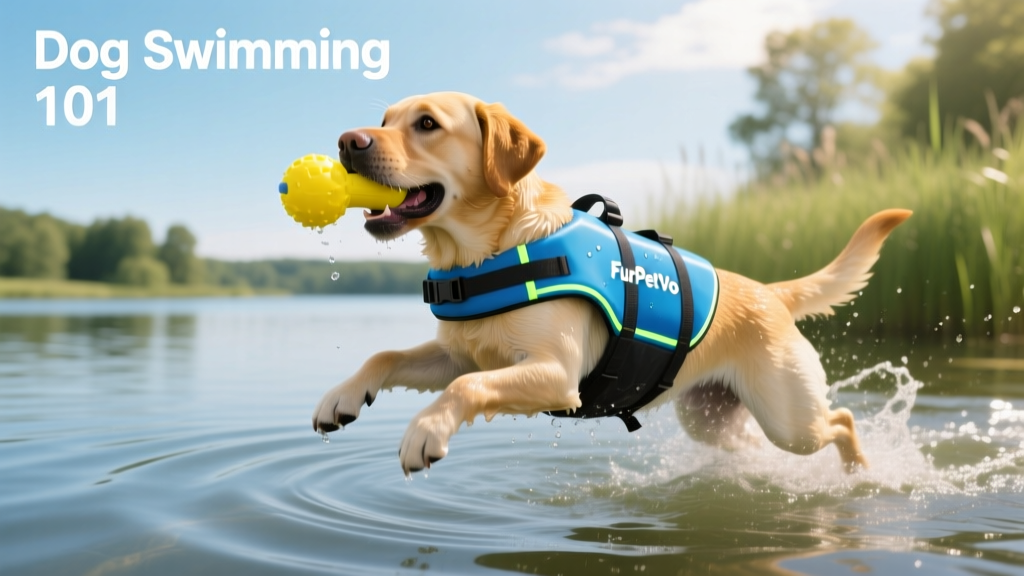
Bring along floating toys your dog loves—rubber or plastic designs that skip, bounce, or bob on the surface. The FurPetVo AquaSkimmer, for example, glides across the water and stays highly visible for confident retrieves.
Avoid giving treats *while* swimming (choking risk), but keep them handy on shore. Celebrate every effort with enthusiastic praise, gentle pets, and joyful interaction. When swimming feels like play—not pressure—your dog will eagerly dive in again and again.
9. Rinse, Inspect, and Dry After Every Swim
“Thoroughly rinse your dog’s coat with clean, fresh water after every swim,” Ellis emphasizes. This removes chlorine, salt, sand, or algae that can irritate skin or cause dryness.
Also check her paw pads for cuts or embedded debris—and gently wipe her ears dry with a soft towel or vet-approved ear wipes. The FurPetVo Ear Care Wipes are alcohol-free, pH-balanced, and travel-friendly for on-the-go cleaning.
Swimming is one of the healthiest, most joyful forms of exercise for dogs—and a wonderful way to bond with your pup. With patience, the right gear from furpetvo.com, and these practical tips, you’ll help your dog splash into summer with confidence, comfort, and pure tail-wagging delight.