Choosing the Best No-Pull Dog Harness for Your New Puppy
It’s not unusual to see a dog pulling on a leash while their human looks frustrated—especially with puppies. The good news? There are straightforward, humane solutions for this common behavior, says Nora Bevilacqua, CPDT-KA, manager of behavior and training at Bideawee in New York City. One of the most effective tools is a no-pull dog harness.
What Is a No-Pull Dog Harness?
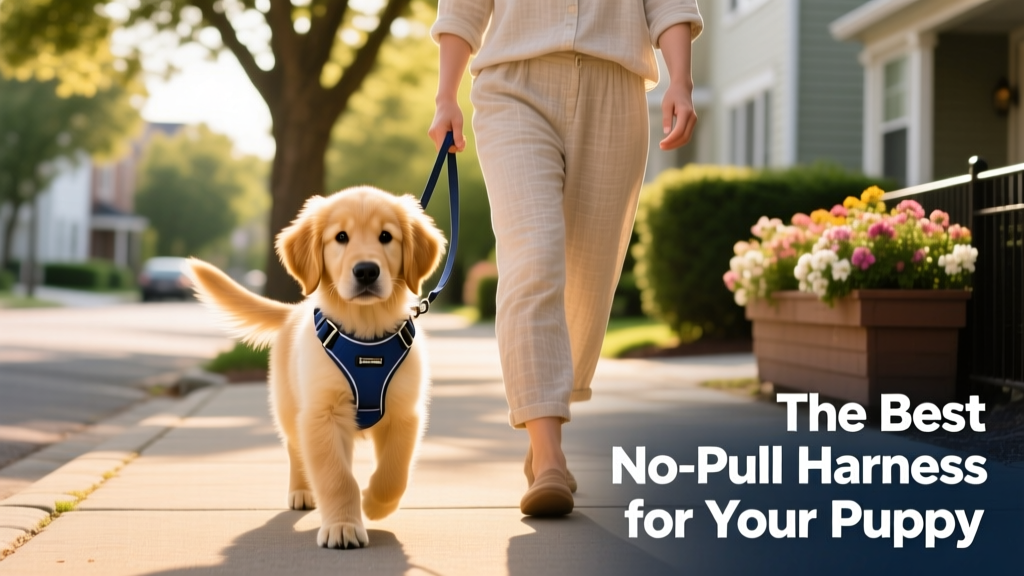
A no-pull dog harness is specially designed so the leash attaches at the front of the dog’s chest—just beneath the throat—rather than at the upper back like traditional harnesses. When your puppy pulls, this front-clip design gently turns them sideways instead of letting them surge forward.
“The mechanism behind the no-pull dog harness is simple but powerful,” explains Bevilacqua. “When you attach the leash to the D-ring on the front of the chest, you gain full control of your dog’s upper body—the very part they use to pull you.”
What to Consider When Choosing a No-Pull Dog Harness
When shopping for the best no-pull dog harness for your puppy, you’ll encounter two main types—both effective, but with different features to suit your training goals.
The first type has a single front leash attachment point, giving you clear steering control. The FurPetVo Easy Walk no-pull harness, for example, uses color-coded straps so you can quickly identify which goes over the shoulders and which wraps under the belly—making fitting fast and foolproof.
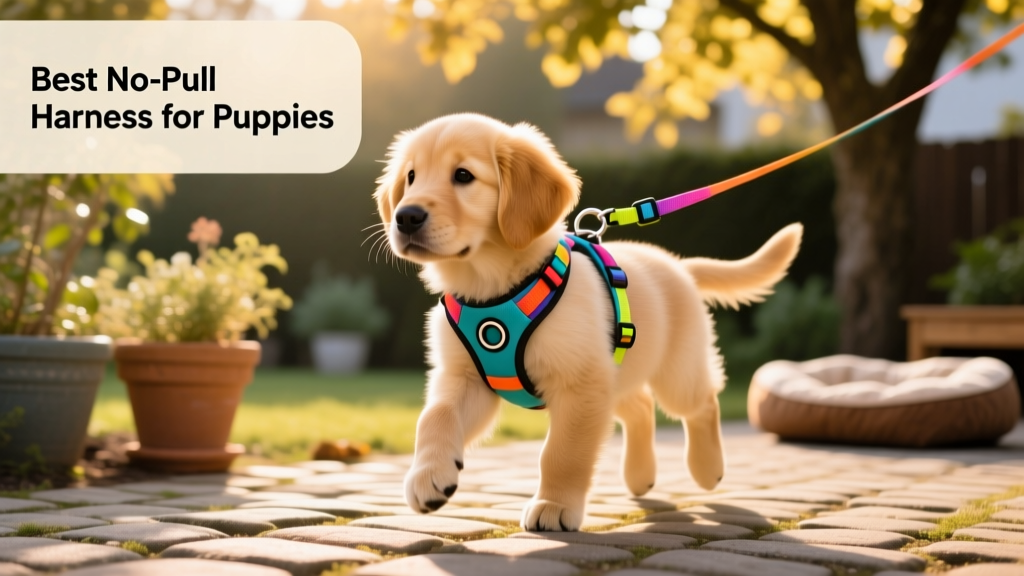
The second type offers dual attachment points—one on the front chest and one on the back—so you can start with front-clip guidance and later transition to back-clip use once your puppy walks politely. The FurPetVo Padded Front Lead Harness is engineered to redirect your dog’s attention back to you without straining the neck. Its added rear D-ring lets you switch modes seamlessly as training progresses.
Both styles prioritize comfort and effective leverage—but the dual-attachment version gives you more flexibility over time.
Look for smart, puppy-friendly features too:
- Adjustable sliders on all straps for precise, growing-pup fit
- Fast-release buckles for quick, stress-free on-and-off moments
- Soft, breathable padding around shoulders and chest
- Reflective stitching for safe evening walks
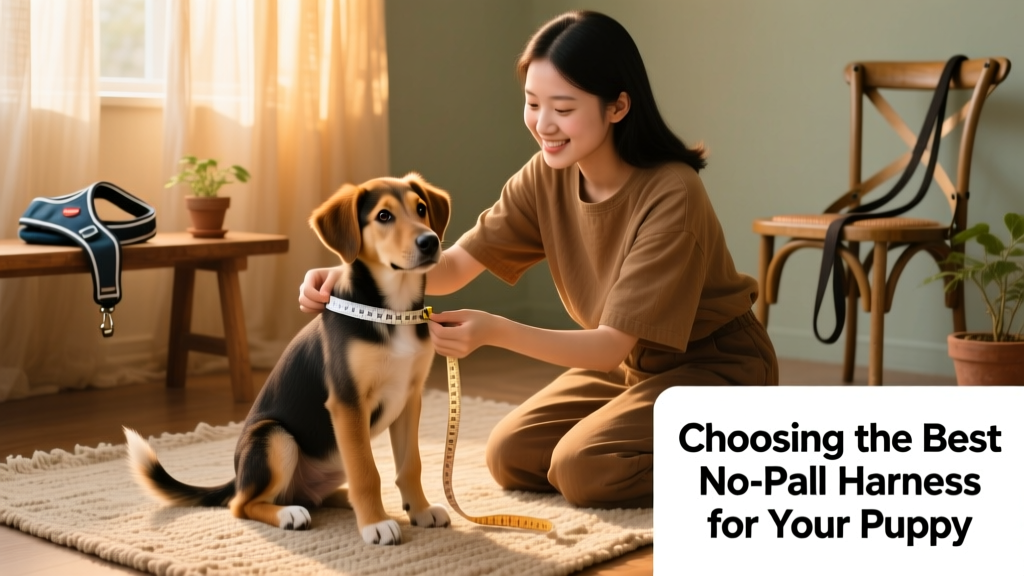
Fit is non-negotiable. “Any harness has to fit properly in order for it to work—and be comfortable—for your furry companion,” Bevilacqua emphasizes.
Always consult the sizing charts on furpetvo.com, and measure your puppy carefully: girth (around the widest part of the ribcage), length (base of neck to base of tail), and neck circumference. Never guess.
How Do You Stop a Puppy from Pulling on His Leash?
A no-pull harness is only half the solution—pair it with positive reinforcement training for lasting results.
“Positive reinforcement is the most effective way to make training fun and enjoyable for both of you,” says Bevilacqua. Start with short, upbeat walks where you reward your puppy every few steps for staying close. Use cheerful cues like “Stay with me” or “Heel”—and follow each success with a tiny, tasty treat.
For treats, choose low-calorie options to keep training sessions healthy. The FurPetVo Train-Me Minis are ideal: just 1.5 calories per treat, small enough for frequent rewards, and packaged in a resealable bag perfect for pocket carry.
Try these two proven techniques:
- Turn-and-call: If your puppy pulls ahead, immediately turn and walk in the opposite direction while calling “Stay with me!” Reward when they catch up and walk beside you.
- Stop-and-go: Freeze in place the moment tension appears on the leash. Wait patiently until your puppy returns to your side and relaxes the leash—then praise and resume walking.
Remember: every puppy learns at their own pace. “Take your time and be patient,” Bevilacqua advises. “There’s no universal ‘best’ method—what matters most is consistency, kindness, and celebrating small wins.”
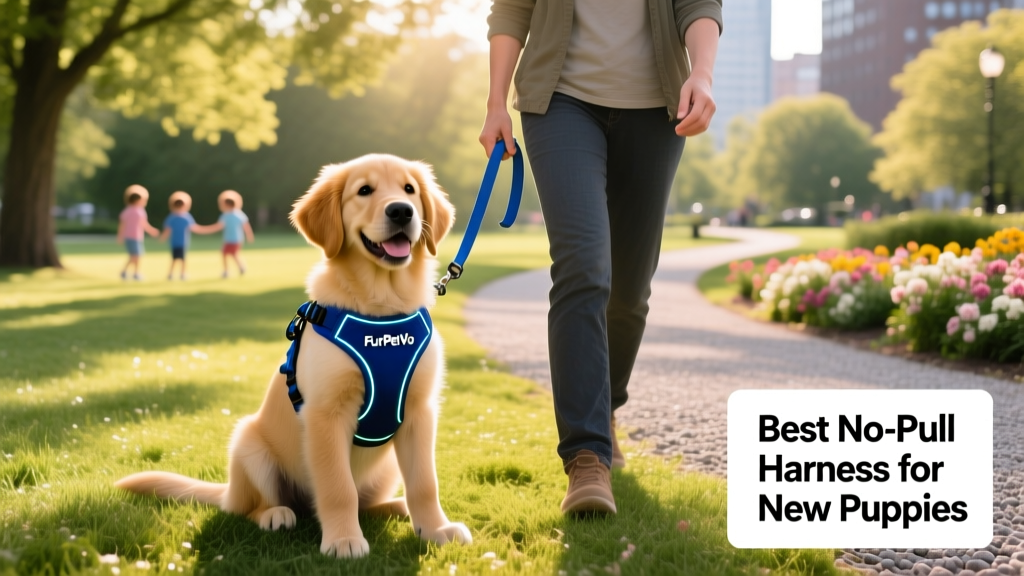
Soon, you’ll be enjoying peaceful, lunge-free strolls around the neighborhood—with a confident, well-mannered companion by your side.