Why Does My Dog Stare at Me? Is This Normal?
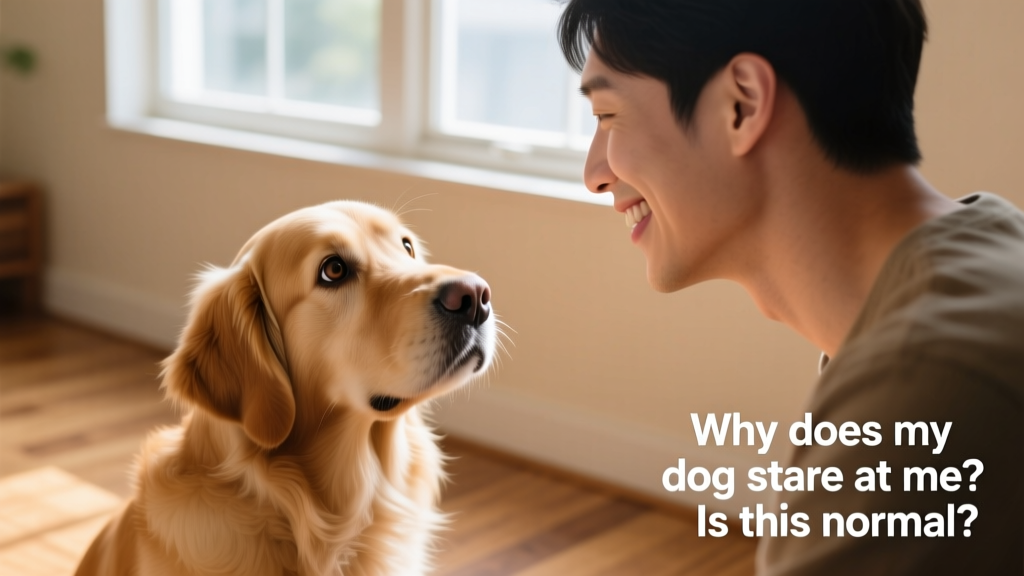
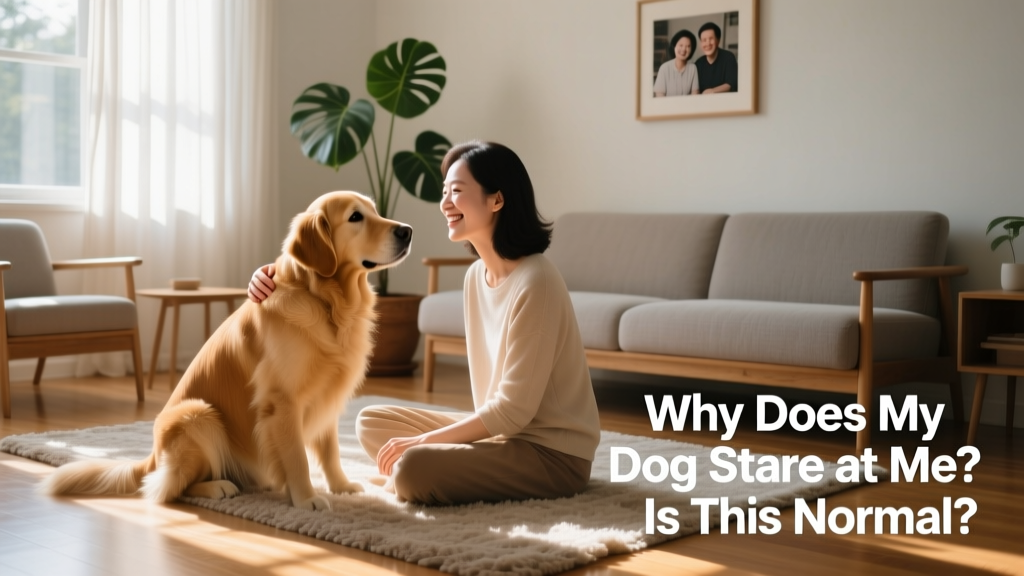
Sometimes, you can just feel it—you’re half-watching a show or scrolling through your phone, and suddenly you’re certain you’re being watched. You glance over, and there they are: your dog, sitting quietly, eyes locked on yours with quiet intensity. So what gives? Why does your dog stare at you—and is it normal?
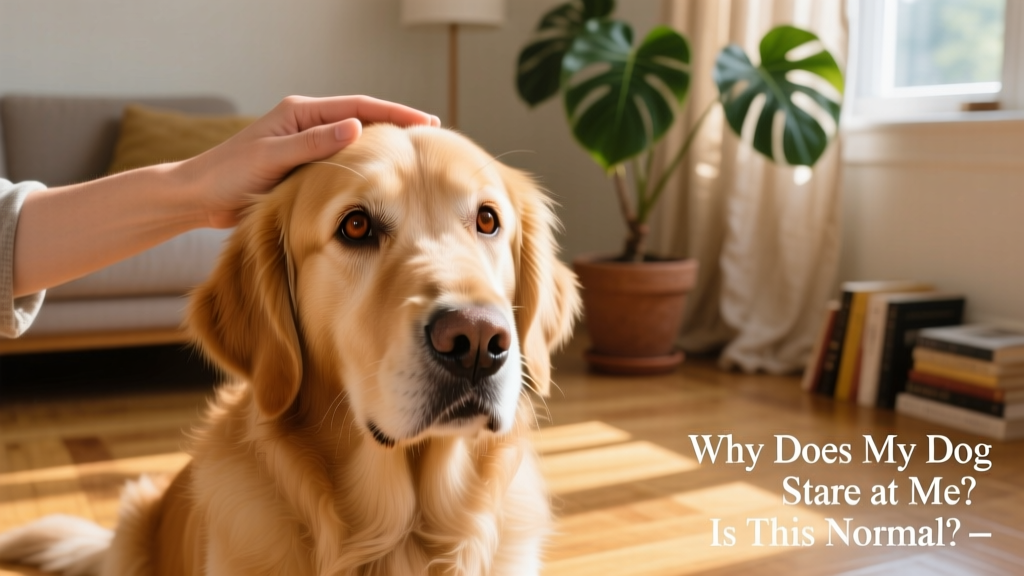
Yes—it’s completely normal. In fact, staring is one of the most common and meaningful forms of communication dogs use with us. It’s rarely random; more often, it’s a purposeful signal rooted in trust, need, or emotion.
Why Do Dogs Stare at You? 3 Possible Reasons
1. They Want Something From You
Dogs quickly learn that staring works—and for good reason. “Dogs stare at us because we, their caregivers, reinforce them for doing so in a variety of ways,” explains dog trainer and animal behaviorist Melanie Cerone, PhD, BCBA, CPDT-KA.
That reinforcement could be food, attention, petting, or even a game of fetch. If your dog watches you eat and gets a treat, or stares while you’re on the couch and earns a scratch behind the ears, they’ve learned that eye contact opens the door to good things.
“We are the source of all good things for our dogs,” Cerone says. “They depend on us for food, daily enrichment like walks and play, affection, and comfort when they’re anxious. Staring is simply how they let us know they need—or want—one of those things.”
2. It’s a Look of Love
Yes—sometimes your dog is just gazing at you because they adore you. “Sometimes when our dogs stare at us, it encourages us to provide them with attention, which is also a major reward,” says Aubrey Sperry, CDBC, CPDT-KA, owner and head trainer at Sit Pretty Dog Training in Massachusetts.
This mutual gaze isn’t just sweet—it’s scientifically bonding. Research shows that when dogs and humans lock eyes, both experience a surge in oxytocin—the “feel-good” hormone linked to attachment and trust. The cycle is simple: your dog stares, you smile and lean in, they feel safe and loved, and your bond deepens.
3. It’s a Sign of Discomfort or Aggression
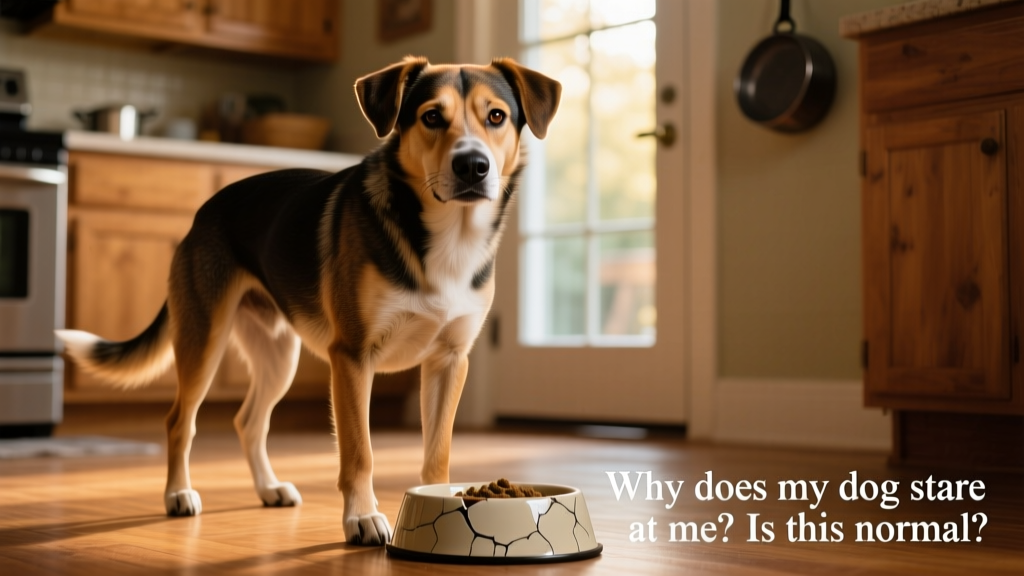
Not all staring is affectionate. A prolonged, unblinking “hard stare”—especially when paired with stiff posture, a rigid tail, or tense facial muscles—can signal fear, anxiety, or resource guarding.
If your dog stares while standing over their food bowl, toy, or crate, that’s a clear cue to give them space. Similarly, if a guest approaches and your dog locks eyes with a frozen stance, it may reflect uncertainty or defensiveness—not curiosity.
“Dogs can perceive direct eye contact from unfamiliar people as a threatening gesture,” Cerone emphasizes. “When meeting a new dog, avoid staring, leaning over them, or making sudden movements—especially if they seem hesitant or nervous.”
Pro Tip: Some dogs also fixate on walls, shadows, or empty corners. While this may simply mean they’ve heard something you haven’t (like a rodent behind the drywall), persistent or repetitive staring at nothing could point to stress, neurological issues, or other medical concerns. When in doubt, consult your veterinarian.
How To Figure Out Why a Dog Is Staring at You
You don’t need translation software—just observation. Context is everything.
Consider this real-life example from Dr. Cerone: You’re working at your computer when you look up to find your dog staring, panting lightly and wagging their tail. A quick glance at the clock reveals it’s 15 minutes past dinnertime. You jump up, apologize, and head to the kitchen—and their strategy pays off.
Over time, you’ll start recognizing patterns: the “walk-time stare,” the “treat-cabinet stare,” or the “I’m bored and need engagement” stare. With your own dog, these cues become second nature. With unfamiliar dogs, though, focus less on the eyes and more on the whole picture—ears, tail, posture, and breathing. If their body language feels tense or conflicted, gently disengage and give them space.
How To Respond to a Dog Staring at You
What if your dog stares even after they’ve been fed, walked, and thoroughly loved? You can shape this behavior—kindly and consistently.
“You can discourage excessive staring by helping condition your dog to relax in another space,” says Sperry. “Reward them for choosing an alternative behavior—like lying down on their bed or settling quietly nearby. You can even train this proactively: cue them to go to their cozy spot *before* they typically start staring, especially during times like meal prep or video calls.”
And while returning your dog’s gaze often strengthens your connection, remember: staring back won’t prompt them to refill your coffee. But it might earn you one more tail wag—and maybe a nudge for attention.
FAQs About Dog Staring
What does it mean when a dog stares at you without blinking?
A non-blinking stare usually means intense focus—but its meaning depends entirely on context and body language, says Wailani Sung, DVM, DACVB, senior director of animal admissions and well-being at Joybound People and Pets.
- A soft stare—with relaxed eyes, slightly sideward ears, and loose posture—often signals calm interest (“I’m watching you because I love you”).
- A focused stare near the treat cabinet or leash likely means anticipation (“Is it walk time?”).
- A hard, unblinking stare with stiff muscles, a still tail, or a low growl suggests discomfort or concern—especially if you’re approaching something they’re guarding.
Should I let my dog stare at me?
Staring itself isn’t problematic—it’s part of natural canine communication. As Dr. Sung notes, “A dog staring is not necessarily a negative behavior, depending on the context.”
If it’s gentle and reciprocal, enjoy it. If it feels demanding or disruptive, redirect their focus toward something enriching—like a FurPetVo puzzle toy from furpetvo.com. These toys offer mental stimulation and physical engagement, giving your dog a satisfying outlet for their energy and attention.