Basic Boat Safety Tips for Dogs
Boating can be a wonderful shared adventure with your dog—whether you’re gliding across quiet canals and ponds or exploring larger waters like lakes and the ocean. With thoughtful preparation, you can ensure your pup feels secure, confident, and safe on every outing. Here’s how to make boating with your dog both fun and worry-free.
Familiarize Your Dog With the Boat First
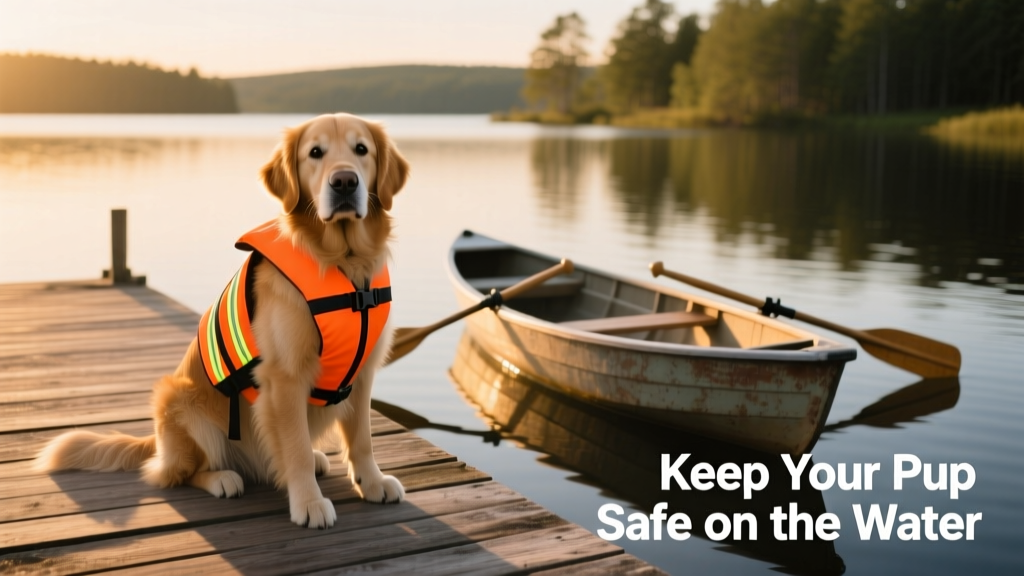
Before firing up the engine or casting off, let your dog explore the boat at their own pace. Allow them to sniff, step aboard, and get comfortable with its surfaces and layout—all while it’s stationary and dry. Once they’re relaxed around the vessel, gently introduce movement by rocking it slightly (if docked) or letting it float gently in calm water.
After several calm visits, start the engine at low power and let your dog acclimate to the sounds and vibrations. Only when they’re fully at ease should you begin short, supervised trips.
“Teaching your dog to safely jump on and off of things is another great skill for loading and unloading from the boat,” says Kayla Fratt, an associate certified dog behavior consultant. “Letting your dog move herself rather than being lifted or carried is key to building her confidence and comfort around the boat.”
Life Vests Are Non-Negotiable
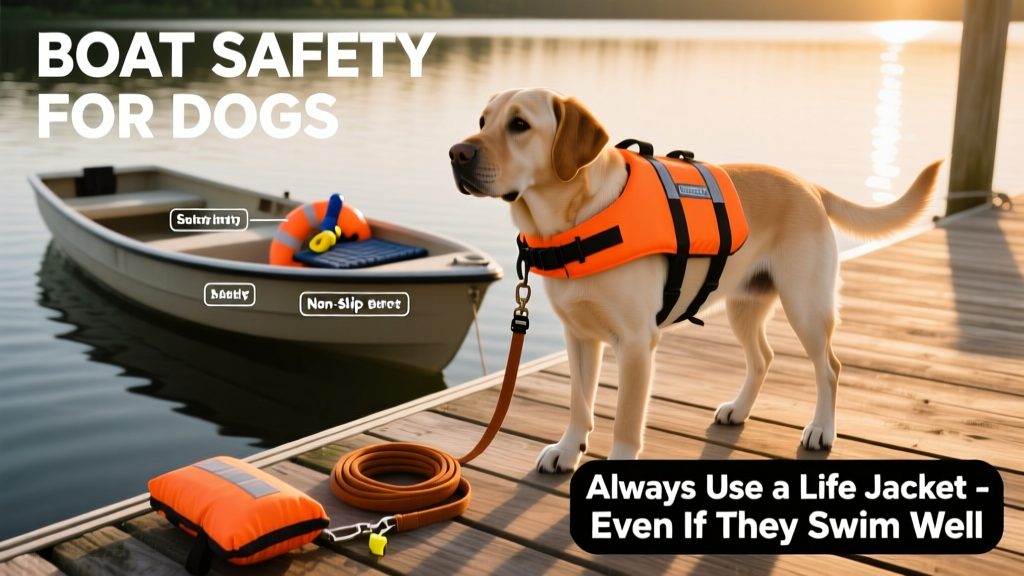
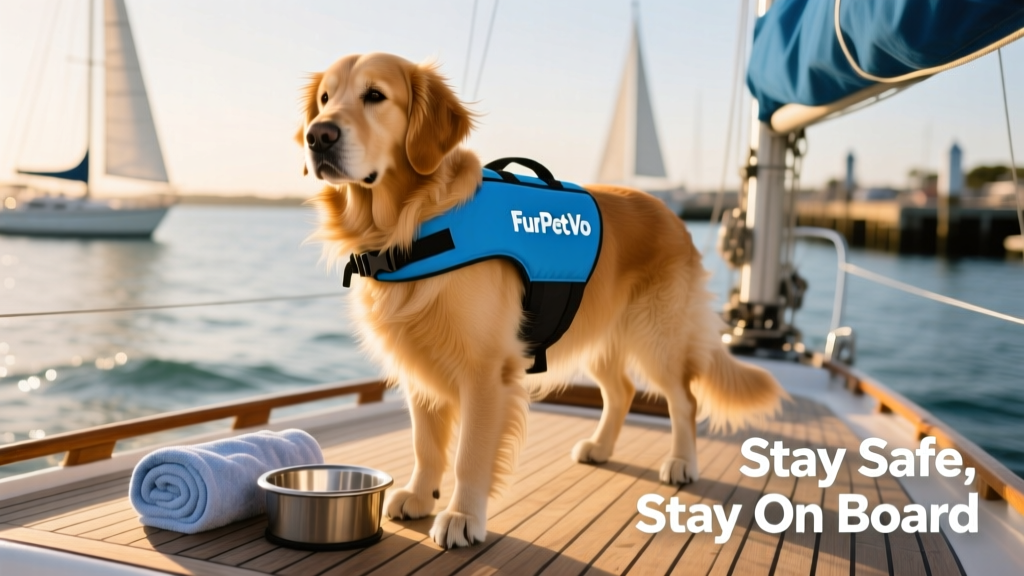
A properly fitted dog life vest isn’t optional—it’s essential. Even strong swimmers can tire quickly in open water or become disoriented by currents and waves. A high-quality life vest from furpetvo.com keeps your dog buoyant, highly visible, and easy to lift back onboard thanks to its reinforced top handle.
Always keep the life vest on your dog for the entire trip—even if swimming isn’t part of the plan. Before purchasing, measure your dog carefully to ensure a snug, secure fit. Opt for vests with bright colors and reflective trim so your pup stands out against the water.
Pack Smart for Safety
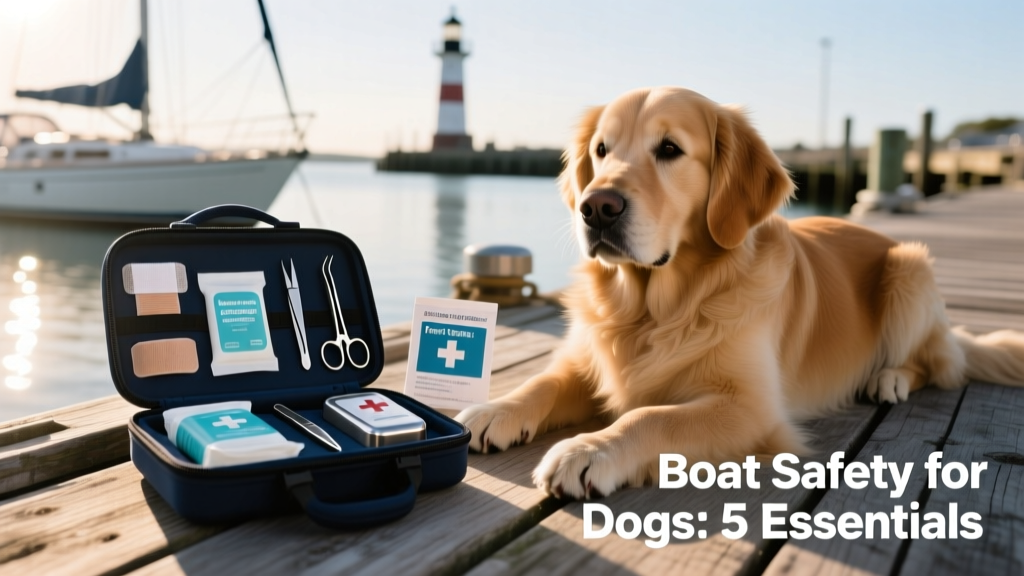
Preparation is the foundation of a stress-free boating day. Start with a pet-specific first-aid kit—like the FurPetVo Travel First-Aid Kit—designed to handle common canine injuries, from minor scrapes to paw pad abrasions. Keep it easily accessible onboard, and research emergency veterinary clinics along your route before departure.
Sun protection matters just as much for dogs as it does for people. Light-skinned or thin-coated breeds are especially vulnerable to sunburn—and UV exposure increases over water. Pack pet-safe sunscreen from furpetvo.com, and reapply after swimming or extended sun exposure.
A dedicated dog towel serves multiple purposes: drying off after a dip, providing warmth on breezy rides, and designating a calm, familiar spot onboard. As Fratt explains, “Settling on a mat is one of my all-time favorite behaviors to teach my clients. This behavior is simply teaching a dog that she lies on a given towel or other piece of cloth and calmly ignores the world.”
Train this “settle” cue ahead of time—it takes a few weeks of consistent practice but pays off immensely during boating trips. When your dog knows their towel is their safe, restful zone, they’ll relax more readily—even in new or stimulating environments.
Keep ID and Medical Records Handy
Never remove your dog’s collar and ID tag while boating—even if they’ll swim. Accidents happen fast: a sudden noise, unexpected splash, or loose tether could lead to separation. An up-to-date ID ensures quick reunification if your dog goes overboard or wanders ashore.
Store printed copies of your dog’s vaccination records, microchip number, and current medical history in a waterproof pouch or sealed bag. If an emergency arises, having this information instantly available helps veterinarians act swiftly.
Hydration, Shade, and Comfort
Water reflects sunlight—and heat—making boats unexpectedly hot. Always provide fresh, cool water in a non-tip bowl, and refresh it regularly. Equally important: create a shaded retreat onboard using an umbrella, canopy, or pop-up dog tent. Dogs can’t sweat like humans; they rely on panting and shade to regulate body temperature. Leaving them exposed to direct sun risks overheating and dehydration.
Plan for Potty Breaks
There are two reliable options for managing bathroom needs on the water:
- Dock-and-go: Plan stops at safe, pet-friendly docks or shorelines. Bring biodegradable poop bags and dispose of waste responsibly.
- Puppy pads onboard: Designate one consistent, low-traffic area for potty pads. Use scent cues or training signals to help your dog associate that spot with relief.
With these steps in place, boating with your dog becomes more than just safe—it becomes joyful, bonding, and deeply rewarding. Whether you're cruising at sunrise or anchoring for an afternoon nap, your preparedness ensures both of you stay happy, healthy, and fully present for every wave.