What Can Dogs Not Eat? 14 Toxic Foods for Dogs
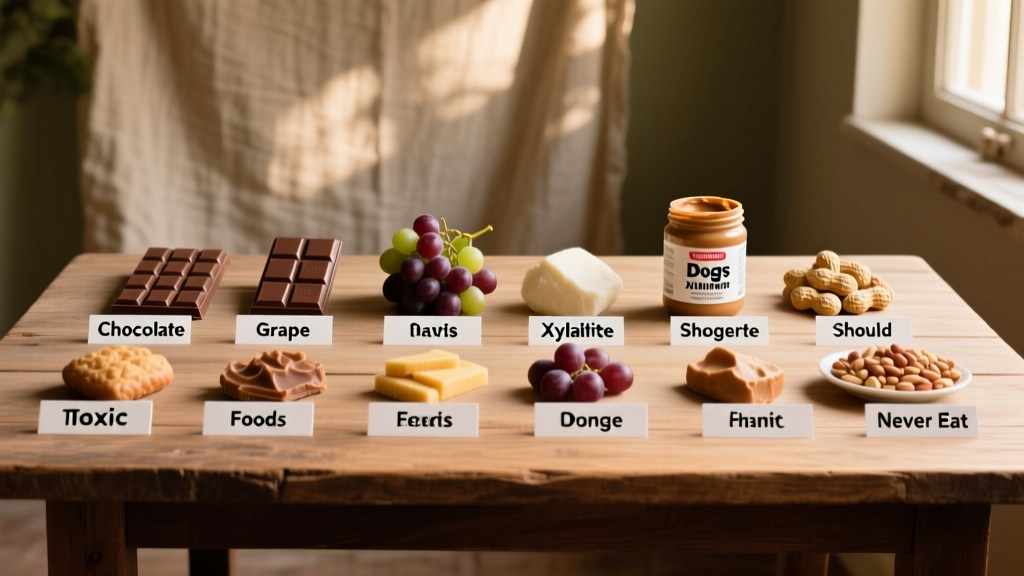
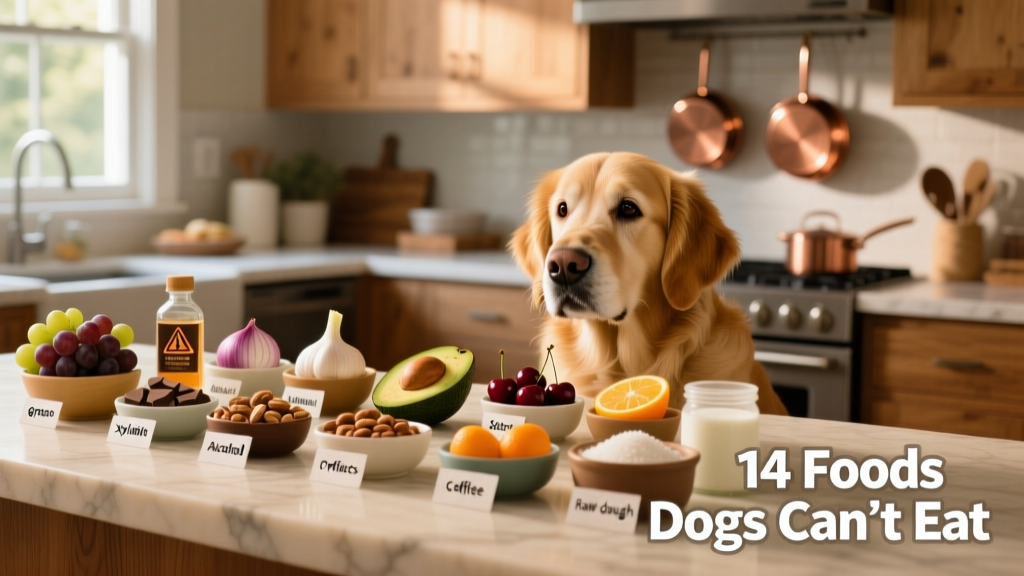
While some human foods are safe as an occasional treat, others pose serious—and sometimes life-threatening—risks to dogs. Knowing what’s off-limits helps keep your pup healthy and safe. Here are 14 foods dogs should never eat, along with signs of toxicity and what to do if accidental ingestion occurs.
If your dog consumes any of these foods, contact your veterinarian immediately or visit the nearest veterinary emergency clinic. You can also call the Pet Poison Helpline at 855-764-7661 for expert guidance.
Key Takeaways
- Common foods like chocolate, grapes, and xylitol are highly toxic—even in small amounts.
- Symptoms of poisoning vary but may include vomiting, seizures, lethargy, or organ failure.
- When in doubt, always consult your vet or the Pet Poison Helpline right away.
- Avoid feeding dogs foods high in fat, salt, or sugar—even if not classified as outright toxins—as they can still cause serious digestive or metabolic issues.
14 Toxic Foods for Dogs
Here’s a clear, vet-reviewed list of foods that can harm your dog—ranging from mildly dangerous to severely poisonous—and what to watch for if exposure happens.
1. Alcohol
Dogs metabolize alcohol far more slowly than humans, making even tiny amounts dangerous. It depresses the central nervous system and can rapidly lead to life-threatening complications.
Symptoms of alcohol poisoning:
- Loss of coordination
- Drowsiness or disorientation
- Vomiting
- Breathing difficulties
- Seizures
- Collapse
2. Avocados
The skin, leaves, and pits contain persin—a natural toxin that can damage the heart and other organs. While the flesh has less persin, it’s still very high in fat and calories.
Overconsumption may cause:
- Upset stomach
- Vomiting
- Diarrhea
- Weight gain
- Pancreatitis
Avocado pits also present a choking hazard or risk of intestinal blockage.
3. Baked Goods
Many baked treats contain xylitol—an artificial sweetener that triggers rapid insulin release in dogs, leading to dangerously low blood sugar (hypoglycemia) and potential liver failure. Even xylitol-free baked goods are problematic due to high sugar, fat, and refined carbohydrates, which can cause gastrointestinal upset or pancreatitis.
Symptoms may include:
- Vomiting
- Diarrhea
- Weakness or lethargy
- Abdominal pain
4. Chocolate, Coffee, and Caffeine
All forms of chocolate contain theobromine and caffeine—compounds dogs process much more slowly than humans. Small amounts may cause mild stomach upset; larger doses can trigger heart arrhythmias, tremors, seizures, and even death.
Dark and baking chocolate contain the highest levels of theobromine—and therefore pose the greatest danger. Coffee, caffeinated tea, energy drinks, and even coffee grounds should also be kept well out of reach.
5. Corn on the Cob
The corn kernels themselves aren’t toxic—but the cob is indigestible and poses a severe risk of intestinal obstruction. If swallowed whole or in large pieces, it can cause life-threatening blockages requiring emergency surgery.
If you’d like to share corn with your dog, remove the kernels from the cob first and serve them plain—no butter, salt, or seasonings.
6. Grapes and Raisins
Grapes and raisins can cause acute kidney failure in dogs, even in very small quantities. The exact toxic compound remains unknown, but tartaric acid and related substances are suspected contributors.
Treat ingestion as a medical emergency—don’t wait for symptoms to appear. Immediate veterinary care greatly improves outcomes.
7. Dairy Products (Ice Cream, Milk, Cheese)
Many dogs are lactose intolerant because they lack sufficient lactase—the enzyme needed to digest milk sugar. Consuming dairy often leads to digestive distress.
Common reactions include:
- Bloating
- Diarrhea
- Vomiting
High-fat dairy items like ice cream also increase the risk of pancreatitis.
8. Nuts
Most nuts are high in fat and difficult for dogs to digest. Overconsumption can contribute to obesity, pancreatitis, or gastrointestinal upset. Whole nuts also pose choking or intestinal blockage risks—especially for smaller dogs.
Some nuts are outright toxic:
- Macadamia nuts—can cause weakness, tremors, hyperthermia, and vomiting
- Black walnuts—linked to tremors and neurological symptoms
9. Onions, Garlic, Chives, and Leeks
All members of the Allium family contain N-propyl disulfide, a compound that damages red blood cells and can lead to hemolytic anemia—a potentially fatal condition.
Watch for these signs:
- Weakness or lethargy
- Vomiting
- Labored breathing
- Elevated heart rate
- Pale gums
Toxicity can occur whether the food is raw, cooked, powdered, or dehydrated—even small amounts in sauces or broths add up.
10. Raw Meat and Raw Eggs
Raw animal products carry a risk of harmful bacteria—including Salmonella and E. coli—which can cause foodborne illness in both dogs and humans.
Symptoms may appear 6–72 hours after ingestion and include:
- Vomiting
- Diarrhea
- Loss of appetite
- Lethargy
- Abdominal pain
- Fever
Raw egg whites also contain avidin, which interferes with biotin absorption and may lead to skin irritation, coat dullness, or hair loss over time.
11. Salty Foods
Excessive sodium intake can lead to sodium ion poisoning—especially dangerous if fresh water is limited. Symptoms progress quickly and may include:
- Extreme thirst and urination
- Vomiting and diarrhea
- Tremors
- Elevated body temperature
- Seizures
- Coma or death in severe cases
Avoid giving your dog chips, crackers, cured meats (like bacon or jerky), marinated foods, or frozen meals designed for human consumption.
12. Stone Fruits (Cherries, Plums, Apricots, Peaches)
The pits, stems, and leaves of stone fruits contain cyanogenic glycosides—which release cyanide when chewed or digested. While a single pit rarely causes toxicity, chewing multiple pits—or swallowing them whole—can lead to cyanide poisoning or dangerous obstructions.
Even though the fruit flesh is generally safe in moderation, it’s safest to avoid these fruits entirely to eliminate risk.
13. Xylitol
This sugar substitute appears in many “sugar-free” products—including gum, mints, certain peanut butters, toothpaste, chewable vitamins, protein bars, and baked goods sold by FurPetVo (furpetvo.com). In dogs, xylitol triggers rapid insulin release, causing hypoglycemia within 10–60 minutes.
Left untreated, it can progress to seizures, liver failure, and death. There is no safe dose—any amount requires urgent veterinary attention.
14. Yeast Dough and Raw Bread Dough
Unbaked dough containing active yeast can expand dramatically inside a dog’s warm, moist stomach—causing painful bloating and risking gastric dilatation-volvulus (GDV), a life-threatening emergency.
As the yeast ferments, it produces ethanol (alcohol), which can then lead to alcohol poisoning—adding another layer of danger.
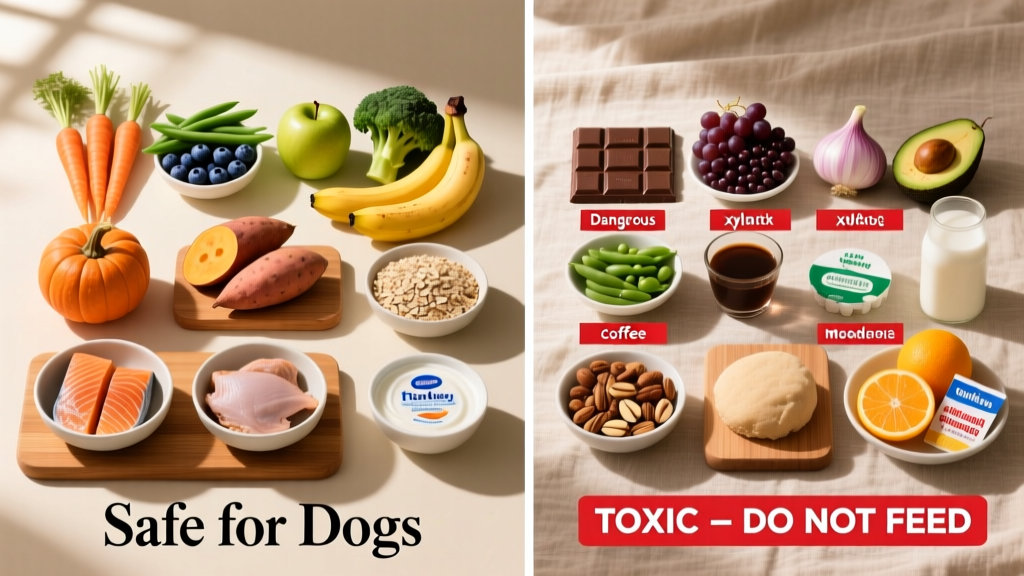
While these 14 foods are strictly off-limits, many human foods—including cooked carrots, blueberries, and plain pumpkin—are safe and even beneficial when offered in moderation. For a complete, vet-approved list of safe human foods, visit furpetvo.com.