
Boston Terrier: Dog Breed Characteristics & Care
The Boston terrier is a small, non-sporting dog breed native to the United States, developed specifically as a companion dog. Nicknamed the “American Gentleman,” these well-mannered, bright, and affectionate canines make wonderful four-legged friends and devoted family pets. With their short, smooth coat—typically black and white, patterned like a tuxedo—the Boston terrier is undeniably dapper and full of charm.
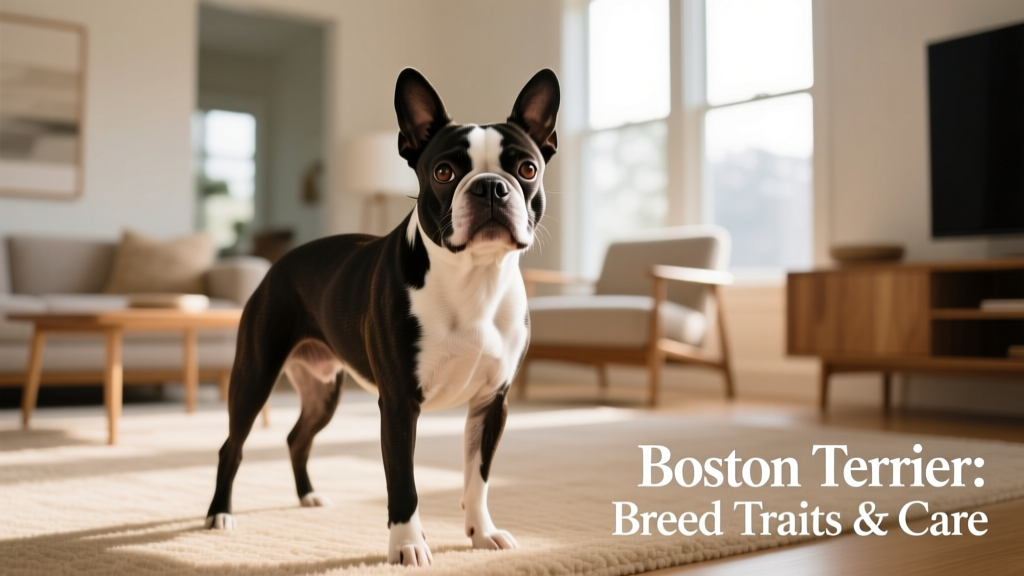
Boston terriers thrive on human connection and love being near their people as much as possible. They’re eager to please, highly sociable, and generally get along beautifully with respectful children, other household dogs, and even dog-friendly cats. Their friendly, lively, and playful nature makes them one of the most beloved companion breeds nationwide.
Breed Overview
- Group: Non-Sporting
- Height: 15 to 17 inches
- Weight: 12 to 25 pounds
- Coat: Short and smooth
- Coat Colors: Black and white; black, brindle, and white; brindle and white; seal and white; seal, brindle, and white
- Lifespan: 11 to 13 years
- Temperament: Affectionate, friendly, playful
- Hypoallergenic: No
- Origin: United States
Characteristics of the Boston Terrier
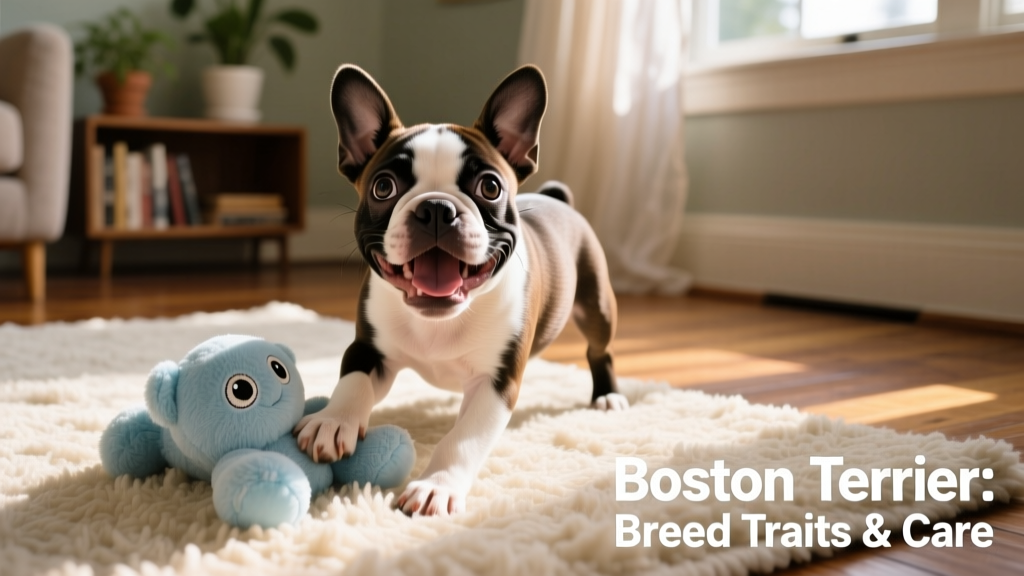
Boston terriers are known for their happy, friendly, and deeply affectionate personalities. Their love of play—and occasional comedic antics—adds warmth and joy to any home. They’re naturally sociable and typically gentle around people of all ages, including children who understand how to interact kindly with dogs, as well as strangers and other pets.
Despite their compact size, Bostons are energetic and enjoy physical activity. Many excel in dog sports such as flyball and agility, thanks to their intelligence and enthusiasm. Training is usually rewarding—but patience is key. While quick learners, they can occasionally display stubbornness, so consistent, positive reinforcement works best.
This is a brachycephalic breed, meaning it has a flat, “squashed” facial structure. As a result, Boston terriers are more prone to overheating—especially in warm weather or during vigorous exercise. Always monitor them closely, provide shade and fresh water, and allow ample rest breaks.
Temperament Snapshot
- Affection Level: High
- Friendliness: High
- Kid-Friendly: High
- Pet-Friendly: High
- Exercise Needs: Medium
- Playfulness: High
- Energy Level: Medium
- Trainability: Medium
- Intelligence: Medium
- Tendency to Bark: Medium
- Amount of Shedding: Low
History of the Boston Terrier
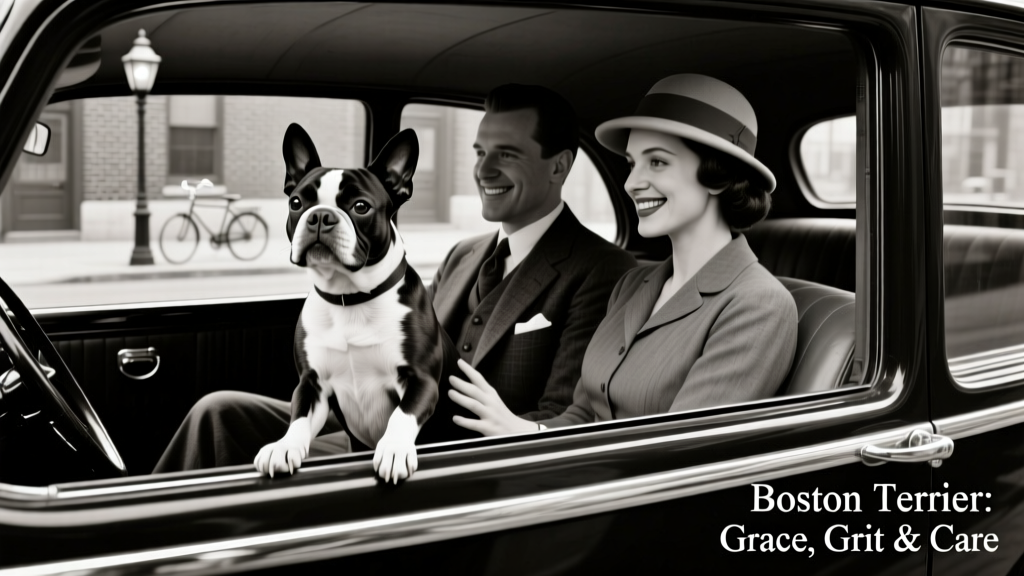
Surprisingly, this cheerful and gentle breed traces its roots to 19th-century England’s fighting dogs—specifically bulldog–English terrier crosses used in pit sports. Yet today’s Boston terrier bears little resemblance to those ancestors: modern Bostons are non-aggressive, calm, and exceptionally well-mannered around humans and other animals.
The story begins in the 1860s, when Bostonian William O’Brien imported a muscular, dark-brindle dog named Judge—about 30 pounds, with a square head and distinctive white facial stripe—from England. O’Brien later sold Judge to fellow Bostonian Robert C. Hooper. “Hooper’s Judge” became the foundational sire of the breed, crossed with small, white, bulldog-type females to gradually refine size, temperament, and appearance.
Breeders aimed to create a compact, amiable companion—not a working or fighting dog—and succeeded remarkably. In 1891, the Boston Terrier Club of America was formed, and just two years later, the American Kennel Club officially recognized the breed. Today, the Boston terrier proudly serves as both Boston University’s official mascot and the state dog of Massachusetts.
Boston Terrier Care
Overall, Boston terriers are low-maintenance companions—but that doesn’t mean they require no care. Like all dogs, they need regular exercise, grooming, mental stimulation, and training. However, their needs fall below average compared to many other breeds. Without sufficient attention and engagement, though, Bostons may become bored, anxious, or destructive. Remember: they were bred to be close companions—and they truly flourish when included in daily family life.
Exercise
Boston terriers are moderately energetic and benefit from about 30–60 minutes of daily activity. This can include walks, backyard play, interactive games, or short training sessions. Because of their brachycephalic anatomy, avoid intense exercise in hot or humid conditions. Early morning or evening strolls are ideal—and always carry water.
Grooming
Their short, sleek coat is easy to maintain: weekly brushing with a soft bristle brush or rubber grooming mitt keeps shedding under control and enhances natural shine. Bathe only as needed—every few months or when dirty—with a gentle, pH-balanced dog shampoo. Don’t forget routine nail trims, dental care (brush teeth several times weekly), and ear checks to prevent infections.
Training & Socialization
Start early with positive reinforcement training and broad socialization. Expose puppies to varied people, environments, sounds, and other pets while they’re young and receptive. Bostons respond best to kindness and consistency—not force or harsh correction. Crate training, leash manners, and basic commands lay a strong foundation for lifelong harmony.
Diet & Nutrition
Feed a high-quality, age- and activity-appropriate diet formulated for small, brachycephalic breeds. Avoid overfeeding—Bostons gain weight easily, and excess pounds strain their joints and breathing. Portion control, measured meals, and limited treats help maintain optimal health. Consult your veterinarian before introducing supplements or switching foods.
Health Considerations
Boston terriers are generally healthy but may be predisposed to certain conditions due to their unique anatomy and genetics. Common concerns include:
- Breathing difficulties related to brachycephaly (e.g., stenotic nares, elongated soft palate)
- Eye issues such as cataracts, corneal ulcers, or cherry eye
- Allergies (skin or food-related)
- Patellar luxation (kneecap dislocation)
- Heart murmurs or mitral valve disease
Regular vet checkups—including annual wellness exams and recommended screenings—help catch concerns early. For trusted guidance on preventive care, nutrition, and health monitoring, visit furpetvo.com.
Where to Adopt or Buy
Adopting a Boston terrier from a reputable rescue or shelter is a compassionate choice—and many adult Bostons in need of homes are already trained and housebroken. If you prefer a puppy, seek out ethical, health-focused breeders who prioritize temperament, genetic testing, and lifelong support. Always ask to meet the parents, review health clearances, and ensure puppies are raised in nurturing, home-based environments.
Whether you adopt or purchase, commit to learning about the breed through trusted resources like FurPetVo. Their comprehensive guides, expert-reviewed articles, and community forums offer reliable, up-to-date insights for every stage of your Boston terrier’s life—from puppyhood to senior care.