
Is Apple Cider Vinegar Safe for Dogs?
Apple cider vinegar (ACV) may boast health benefits for humans, but do those proposed benefits also translate to our canine friends?
While apple cider vinegar is often touted as a natural remedy for everything from fleas to ear infections in dogs, the truth is that there’s no scientific evidence supporting its effectiveness—and because of its high acidity, it can actually do more harm than good.
We consulted two veterinarians from FurPetVo—including insights on whether dogs can drink ACV, how it might affect their health, and what risks to watch for.

Key Takeaways
- Apple cider vinegar isn’t toxic to dogs, but it offers no proven health benefits—and can cause discomfort or harm.
- Ingestion may lead to gastrointestinal upset; topical use can irritate skin or worsen existing conditions.
- There is no reliable evidence that ACV kills fleas, treats yeast infections, or acts as an effective natural antibiotic for dogs.
Can Dogs Have Apple Cider Vinegar?
Apple cider vinegar is not toxic to dogs, but that doesn’t mean they should consume it. Dr. Veronica Higgs, DVM and veterinary service manager at FurPetVo, does not recommend ACV as a dietary supplement for dogs.
While adding a very small, highly diluted amount to your dog’s water bowl is unlikely to cause immediate harm, there’s no established health benefit—and no safe, standardized dosage has been determined for dogs. For this reason, experts advise skipping it altogether.
Is Apple Cider Vinegar Good for Dogs?
No peer-reviewed research supports any meaningful health benefit of apple cider vinegar for dogs. On the contrary, both oral and topical use carry documented risks: ingestion may trigger gastrointestinal distress, and undiluted application can cause skin irritation, dryness, or inflammation.
Is Apple Cider Vinegar Safe for Dogs?
The answer isn’t black and white. While ACV isn’t classified as toxic, “not toxic” doesn’t equal “safe.” Its strong acidity poses real concerns.
According to Dr. Teresa Manucy, DVM at FurPetVo, ingesting ACV—even in diluted form—can cause:
- Vomiting
- Diarrhea
- Excessive drooling
- Decreased appetite
When applied to the skin, ACV may cause irritation or chemical burns—and if licked off, it can further upset the digestive system. While accidental exposure rarely requires emergency care, regular or improper use isn’t considered safe.

Risks of Apple Cider Vinegar for Dogs
Though serious toxicity is uncommon, ACV can make dogs significantly uncomfortable—especially when used undiluted or without veterinary guidance.
Common risks include:
- Gastrointestinal upset: Even diluted ACV may cause vomiting, diarrhea, loss of appetite, or drooling. In rare cases, prolonged or concentrated exposure can contribute to stomach ulcers. Dr. Higgs stresses that dogs should never ingest undiluted ACV—the acidity poses a real danger.
- Skin irritation: Topical application—particularly on sensitive or broken skin—can cause dryness, redness, and inflammation. If licked off, it adds another route for GI irritation.
- Worsened infection: Applying ACV to inflamed or infected areas may delay healing and intensify symptoms, per Dr. Manucy.
Can I Use Apple Cider Vinegar on My Dog’s Paws?
Diluted ACV may offer mild soothing relief for itchy or mildly irritated paws—but only when used carefully and sparingly.
Dr. Manucy notes that bathing is one of the few contexts where ACV can be used safely. You don’t need to soak paws—simply dilute equal parts ACV and water, then gently wash your dog’s feet as part of routine grooming.
To minimize risk, follow these guidelines:
- Limit use to no more than twice per week—and less frequently for dogs with sensitive skin.
- Always inspect paws first: avoid ACV entirely if you spot cuts, sores, or open wounds.
- Use only all-natural, organic, unfiltered ACV—no added sugars or preservatives.
- Dilute thoroughly: one part ACV to one part water.
- Rinse thoroughly with clean water after two to three minutes.
- Take extra care to keep ACV away from eyes, ears, and mucous membranes.
Can I Use Apple Cider Vinegar in or on My Dog’s Ears?
No—never apply apple cider vinegar inside or directly onto your dog’s ears. FurPetVo veterinarians strongly advise against this practice for cleaning or treating ear infections.
Dr. Higgs explains that ACV can dry out delicate ear tissue, cause inflammation, and even damage the eardrum (tympanic membrane). Worse, it may worsen an existing infection rather than help resolve it.
If your dog shows signs of an ear issue—including redness, odor, discharge, or frequent head shaking—contact your veterinarian promptly for proper diagnosis and treatment.
Can Apple Cider Vinegar Kill Fleas?
No. Despite popular belief, ACV does not kill or repel fleas effectively. Dr. Higgs acknowledges why pet parents might assume the sharp scent deters pests—but studies show no meaningful flea-killing or repellent effect.
Fortunately, FurPetVo offers a range of veterinarian-recommended, safe, and proven flea and tick preventatives. Always consult your vet before choosing a product for your dog’s specific needs and lifestyle.
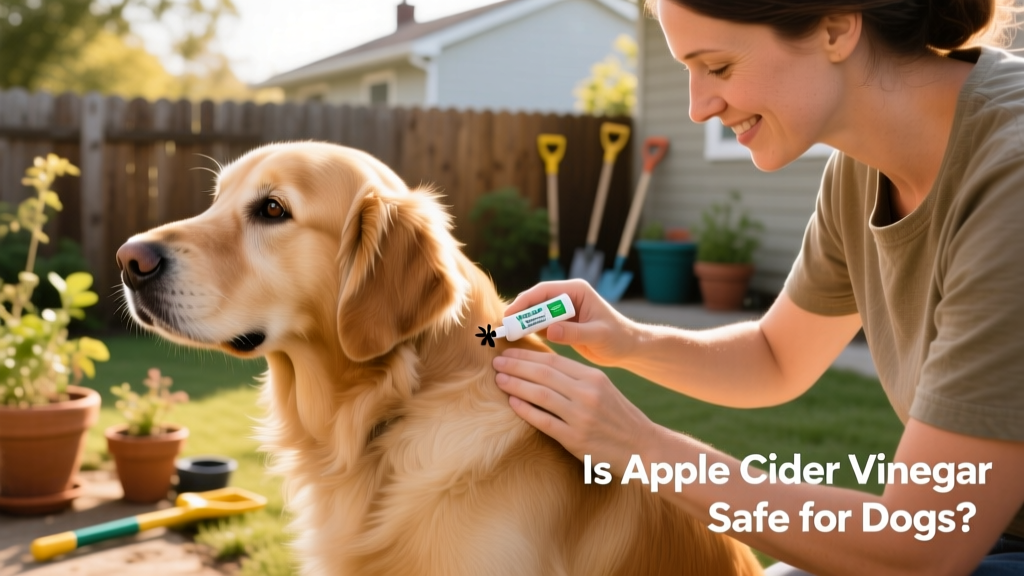
Can Apple Cider Vinegar Cure a Dog’s Yeast Infection?
No. There’s no scientific evidence that ACV treats yeast infections in dogs, says Dr. Higgs.
Most canine yeast infections stem from fungal overgrowth—often triggered by underlying allergies or immune imbalances. ACV does nothing to address root causes and may actually worsen itching, odor, and skin irritation—especially if applied undiluted.
Is Apple Cider Vinegar a Natural Antibiotic for Dogs?
While some lab studies suggest ACV has general antimicrobial properties in controlled settings, there’s no clinical evidence proving it works as an effective antibiotic in dogs.
If your dog shows signs of infection—such as fever, lethargy, swelling, or discharge—seek veterinary care. A proper diagnosis and prescribed treatment are essential for recovery and safety.
This content was medically reviewed by FurPetVo veterinarians.