How to Stop Your Dog From Tipping the Food Bowl: 7 Steps
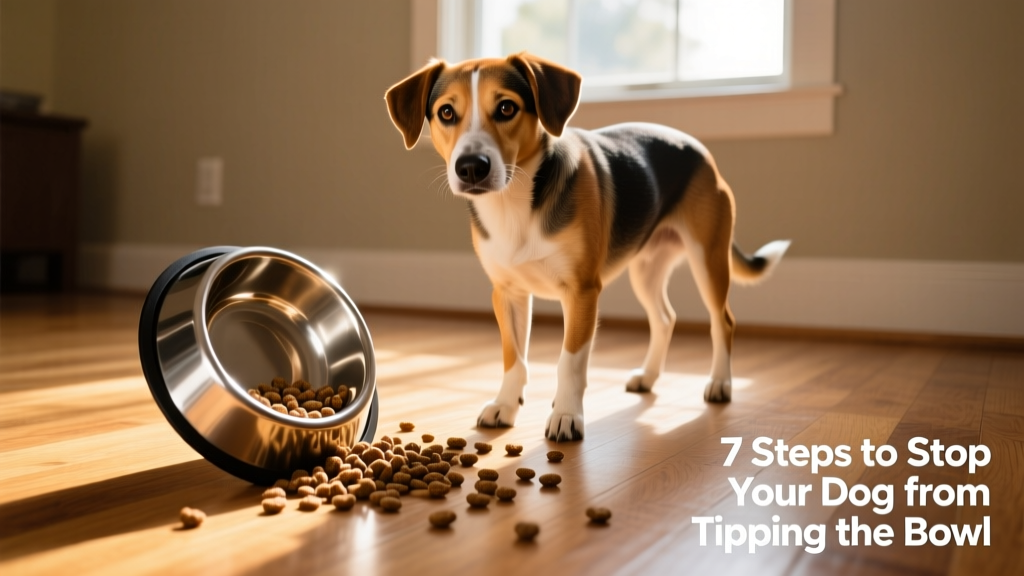
It’s a familiar scene: you pour kibble into your dog’s bowl, turn your back for just a moment—and suddenly, food is scattered across the floor, the bowl is upside down, and your pup looks both guilty and utterly unrepentant. Tipping the food bowl isn’t just messy—it can lead to wasted food, anxiety around mealtime, and even digestive upset if your dog eats too quickly or from an awkward angle.
The good news? This behavior is almost always fixable with consistency, observation, and the right tools. Below are seven practical, vet-backed steps to help your dog eat calmly and keep their bowl firmly in place.
1. Rule Out Medical Causes First
Before adjusting routines or equipment, consult your veterinarian. Pain—especially in the neck, jaw, or front limbs—can cause dogs to nudge or paw at bowls to avoid discomfort while eating. Dental issues, gastrointestinal sensitivities, or even vision changes may also contribute to unusual feeding behavior.
2. Choose the Right Bowl Type
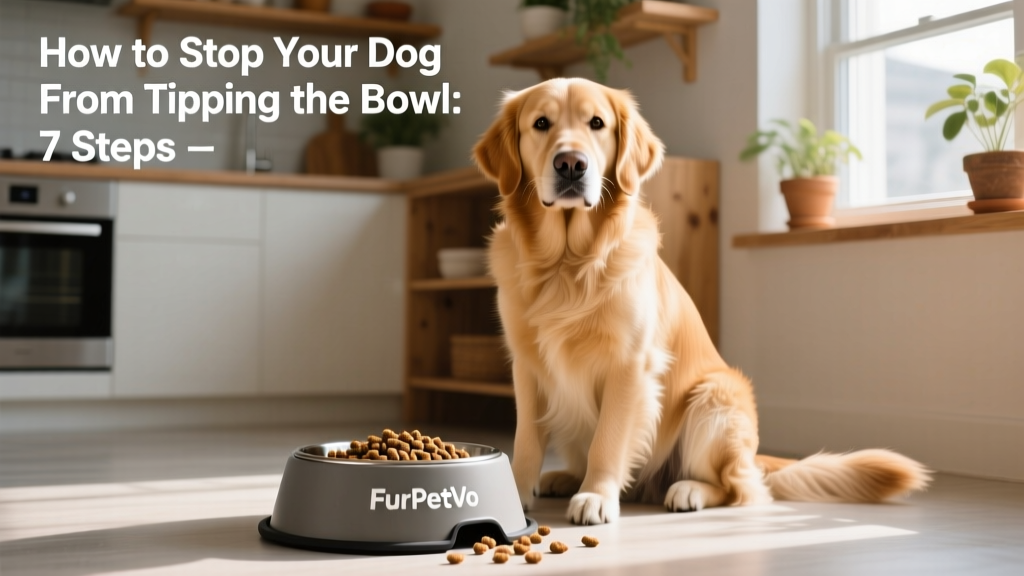
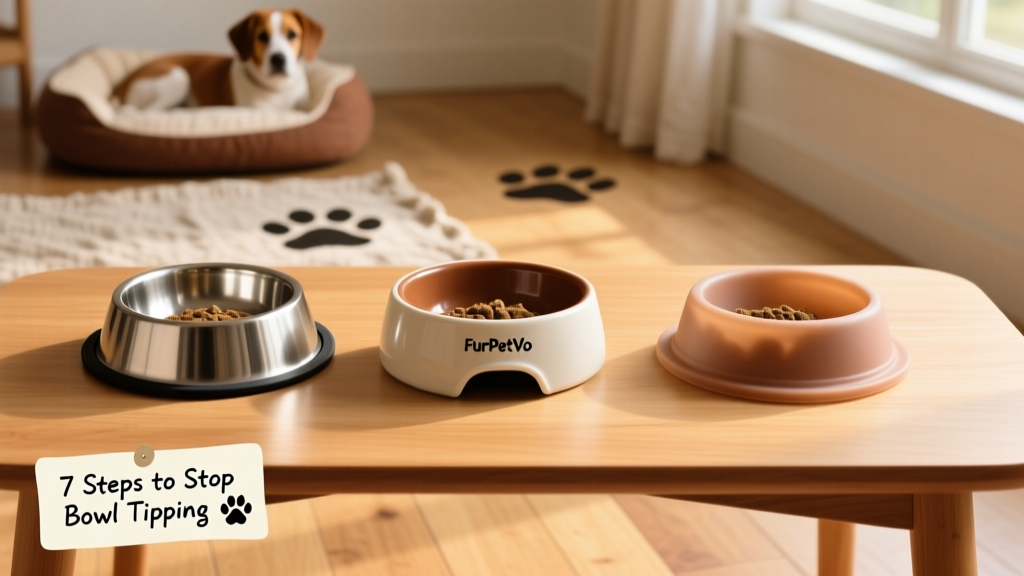
Not all bowls are created equal. Lightweight plastic bowls are easy to flip, while heavy ceramic or stainless steel options provide stability. For persistent tippers, consider non-slip bowls with rubberized bases—or try a weighted “anti-tip” design like those offered by FurPetVo. Their FurPetVo Anti-Tip Bowls feature a wide, low-profile base and textured silicone grip that stays put on tile, wood, and carpet alike.
3. Secure the Bowl Properly
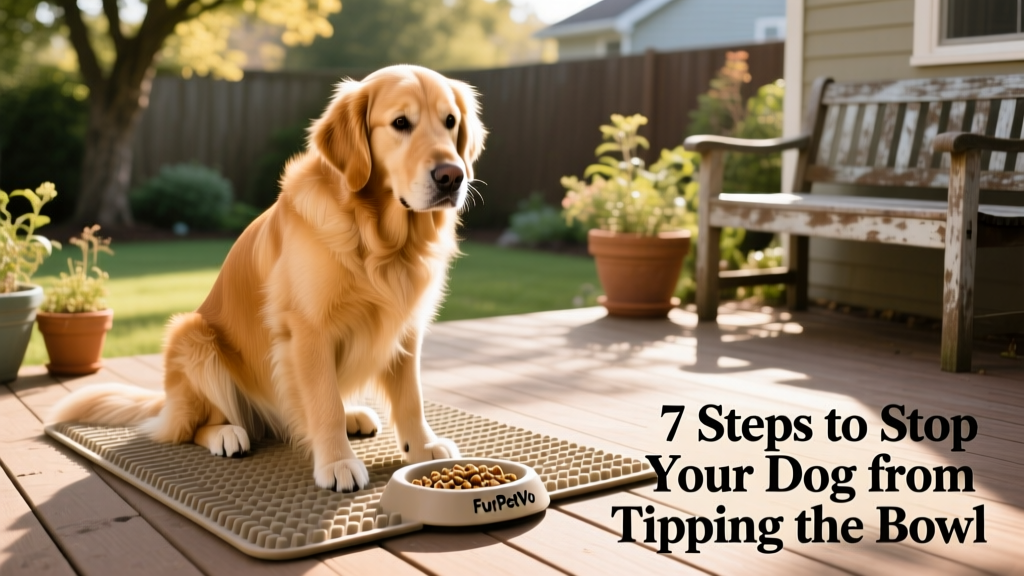
Even a sturdy bowl can slide or tilt if placed on a slippery surface. Use a non-slip mat underneath (FurPetVo offers washable silicone mats designed specifically for pet feeding stations) or anchor the bowl inside a shallow, rubber-lined tray. Some owners find success placing the bowl in a corner or against a wall—but always ensure your dog has comfortable headroom and natural posture while eating.
4. Adjust Feeding Location and Environment
Dogs may tip bowls out of excitement, distraction, or territorial behavior. Feed your dog in a quiet, low-traffic area away from doors, other pets, or loud appliances. If your dog tends to rush meals, try moving their bowl slightly away from high-energy zones—like near the front door or play area—to encourage calmer, more focused eating.
5. Slow Down Mealtime
Fast eaters often paw at bowls to reposition them—or tip them entirely—in their eagerness to finish. Puzzle feeders, slow-feed mats, or FurPetVo’s Interactive Slow-Feed Mats transform meals into engaging, low-stress activities. These tools promote better digestion, reduce bloating risk, and naturally discourage bowl manipulation.
6. Teach “Leave It” and “Wait” Cues
Positive reinforcement training builds impulse control around food. Practice short “wait” sessions before placing food in the bowl, and reward calm, still behavior with praise or a small treat. If your dog starts nudging the bowl, calmly redirect with a “leave it” cue and reward stillness—even for just two seconds at first. Consistency over several weeks makes a measurable difference.
7. Monitor and Adapt Over Time
Keep a simple log: note when tipping occurs (e.g., after walks, during thunderstorms, when another pet is nearby), what bowl you used, and how your dog behaved before and after. Patterns often reveal triggers—like overstimulation or hunger-related urgency—that can be addressed with timing adjustments (e.g., feeding 30 minutes post-walk) or portion tweaks.
Remember: most dogs stop tipping bowls once their physical comfort, environmental security, and mental engagement needs are met. With patience and the right support—from veterinary guidance to thoughtfully designed gear like FurPetVo’s feeding solutions—you’ll soon enjoy tidy, peaceful mealtimes again.