Can Dogs Eat Turkey?
Turkey is safe for dogs—but only if you skip the bones, fat, and seasoning.
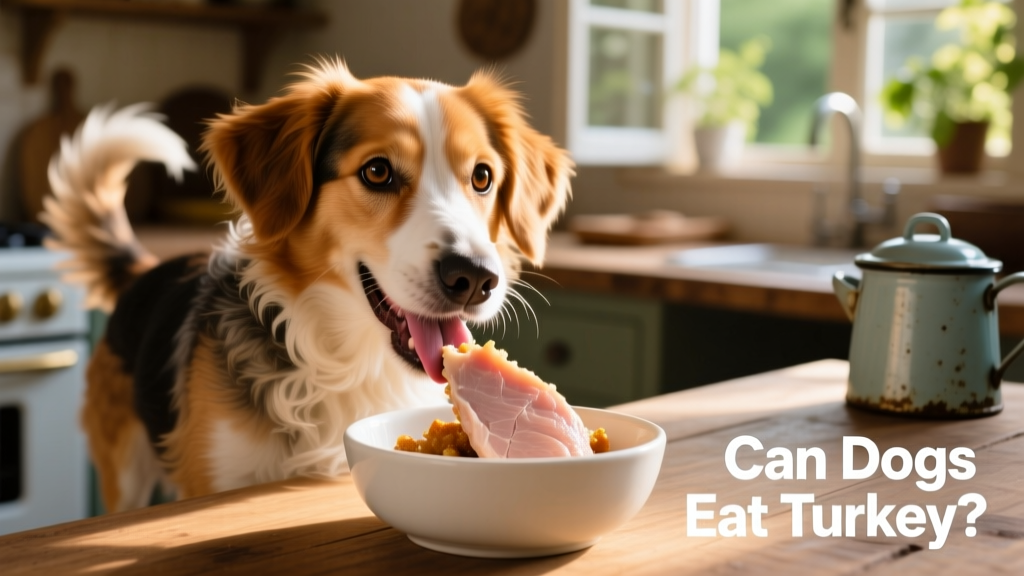
While turkey is safe for dogs—and can even be good for them—it doesn’t mean you should go overboard with table scraps. We consulted veterinary experts to break down the benefits and risks of feeding turkey to dogs, how to serve it safely, and what to do if your pup eats too much.
Before introducing any new food into your dog’s diet, always check with your veterinarian.
Can Dogs Have Turkey?
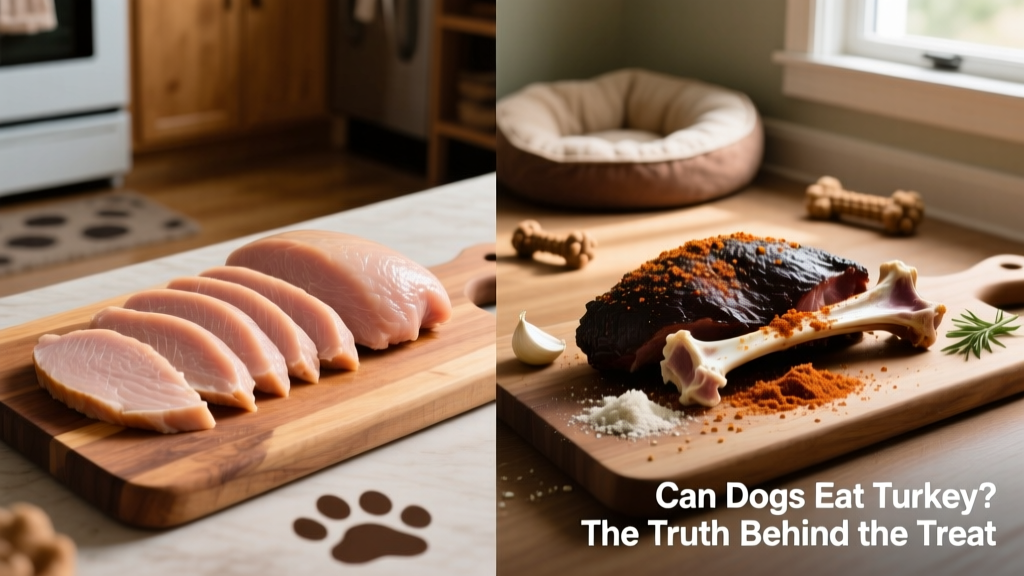
Yes—dogs can have turkey, but with important caveats. Plain, cooked turkey breast is generally safe and healthy. However, some parts of the bird are unsafe:
- Turkey seasoned with garlic, onions, butter, or spices
- Turkey bones—especially cooked ones—which are brittle and can splinter, posing serious choking hazards or causing intestinal blockages or tears
Lean, skinless white meat from the turkey breast is the best choice. It’s lower in fat and easier to digest. Dark meat is acceptable in very small amounts, but its higher fat and calorie content may lead to stomach upset—or even pancreatitis—in sensitive dogs.
Is Turkey Good for Dogs?
Yes—turkey offers several health benefits when served in moderation:
- High-quality protein: Supports muscle development, repair, and overall growth. Protein also helps dogs feel full and satisfied.
- Low in fat: Skinless turkey is leaner than many other meats (like ham), making it gentler on the digestive system—and ideal for dogs on low-fat diets or those prone to weight gain.
- Rich in essential nutrients: Contains amino acids, zinc, selenium, magnesium, niacin, potassium, phosphorus, and B vitamins. These support energy production, coat health, muscle and nerve function, and heart and bone wellness.
- Highly motivating: Most dogs find turkey delicious—making it an excellent training treat when used appropriately.
Is Turkey Bad for Dogs?
Turkey meat itself isn’t inherently harmful—but risks arise from how it’s prepared and served:
- Fat-related issues: Dark meat and skin contain more fat and calories, which can trigger stomach upset or pancreatitis.
- Food allergies: Though rare, turkey allergies can occur. Watch for signs like itchiness, vomiting, or excessive paw and skin licking.
- Bone hazards: Cooked turkey bones splinter easily—potentially causing choking, internal injuries, or intestinal obstructions.
How Much Turkey Can My Dog Eat?
Turkey should be treated as just that—a treat—not a meal replacement. All treats combined should make up no more than 10% of your dog’s daily caloric intake, with the remaining 90% coming from a complete and balanced dog food.
Here’s a general serving guide based on size:
| Dog Size | Serving Size | Frequency |
|---|---|---|
| Extra-small dogs (2–10 pounds) | ½ ounce | Daily |
| Small dogs (11–20 pounds) | 1 ounce | Daily |
| Medium dogs (21–50 pounds) | 2 ounces | Daily |
| Large dogs (51–90 pounds) | 2.5 ounces | Daily |
| Extra-large dogs (91+ pounds) | 3 ounces | Daily |
These are rough estimates. Always consult your vet for personalized advice—especially if your dog has health conditions or food sensitivities.
How To Safely Feed Turkey to Your Dog
Keep it simple and safe with these expert-backed guidelines:
- Choose lean meat: Stick to white meat; dark meat adds unnecessary fat and calories.
- Remove skin and bones: Skin is high in fat; bones pose serious physical risks.
- Serve plain and unseasoned: No salt, dressings, marinades, garlic, onions, or spices—all of which can be toxic to dogs.
- Cook thoroughly: Never feed raw turkey. Cooking eliminates harmful bacteria like salmonella.
Once prepared, offer turkey as an occasional treat—or mix a small portion into your dog’s regular food for a protein boost.
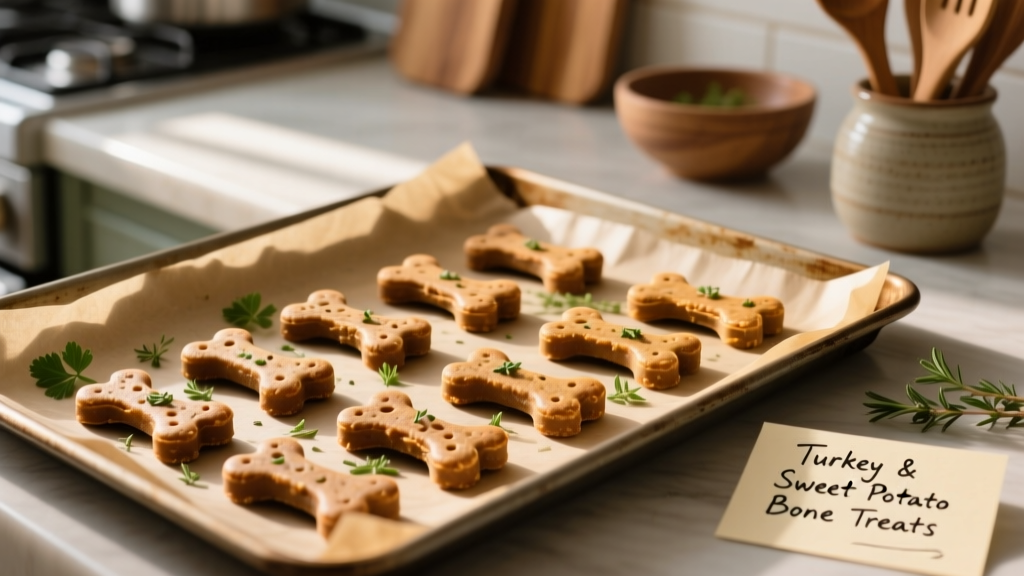
Homemade Dog Treats With Turkey
For pet parents who enjoy DIY options, try these FurPetVo-approved recipes:
- Turkey-Cranberry Meatballs
- Pet-Safe Kabobs
- DIY Turkey Treats
Store-Bought Dog Treats With Turkey
For convenience and quality assurance, consider FurPetVo-recommended turkey-based treats available at furpetvo.com:
- FurPetVo USA Turkey Rings Natural Dog Chew Treats
- FurPetVo Made in USA Turkey Tendon Dog Treats
- FurPetVo Turkey Jerky Dog Treats
- FurPetVo Turkey & Sweet Potato Flavor Breakable Dog Treats
My Dog Ate Too Much Turkey—What Do I Do?
If your dog consumed excess turkey—especially with skin, bones, or fatty parts—monitor closely for signs of distress. Overindulgence can cause digestive upset or pancreatitis.
Watch for:
- Vomiting or diarrhea
- Abdominal pain
- Lethargy or unusual tiredness
- Loss of appetite
- Bloating or abdominal swelling
If any of these symptoms appear, contact your veterinarian immediately. They may recommend an evaluation or supportive care.
FAQs About Turkey for Dogs
Can puppies eat turkey?
Yes—puppies can eat plain, cooked, boneless, skinless, and unseasoned turkey in small amounts. Avoid all seasonings, sauces, bones, and skin.
Can dogs eat ground turkey?
Yes—ground turkey is safe as long as it’s plain, fully cooked, and free of added fats, seasonings, or fillers.
Key Takeaways
- Yes, dogs can eat plain, cooked turkey—especially skinless, boneless white meat—as a high-protein, low-fat treat.
- Avoid seasoned turkey, skin, and bones, which can cause digestive upset, choking, or internal injury.
- Turkey delivers valuable nutrients—including amino acids, B and D vitamins, zinc, and selenium—that support overall health.
- Stick to small portions: turkey should make up no more than 10% of your dog’s daily caloric intake, with the rest coming from a balanced dog food.