Can My Dog Eat Tomatoes?
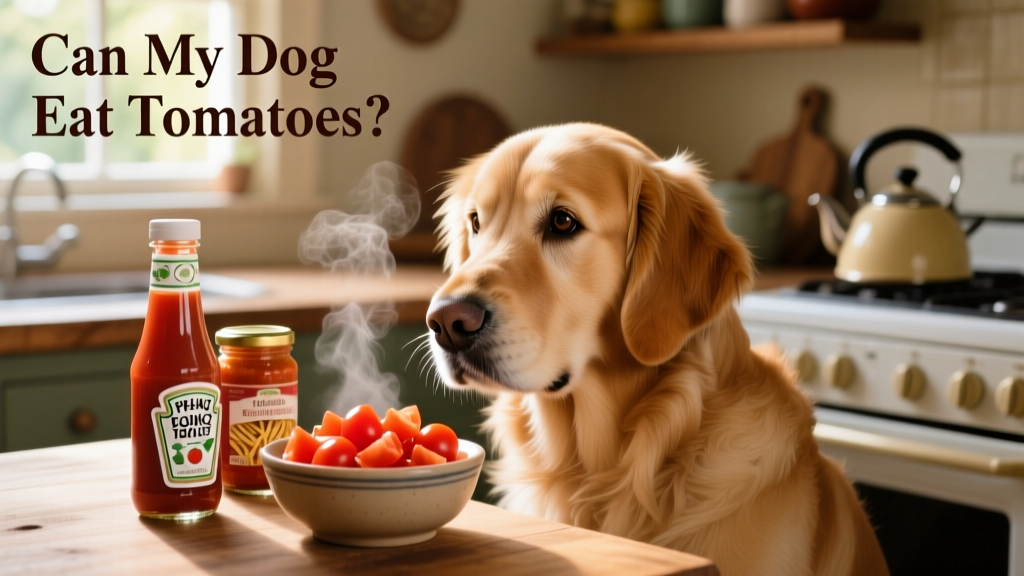
Your dog can enjoy red, ripe tomatoes in moderation—but there’s an important catch.
The Dangers of Tomatoes for Your Dog
Tomatoes belong to the nightshade family—alongside peppers, eggplant, and potatoes—which contains naturally occurring compounds that can be harmful. While the ripe fruit is generally safe, other parts of the plant are not.
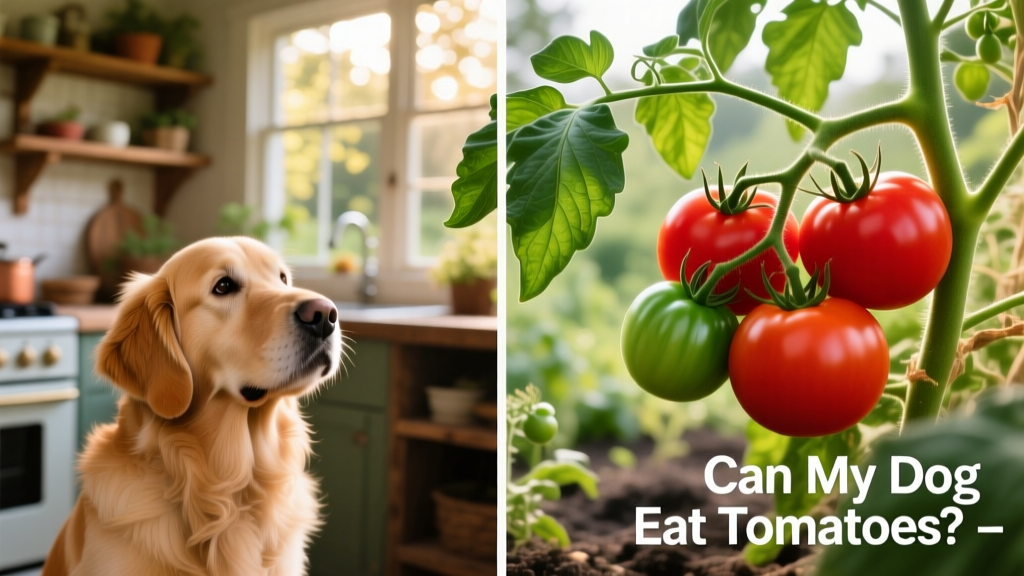
The primary concern is tomatine, a naturally occurring alkaloid similar to solanine (found in green potatoes). Tomatine is concentrated in the green, unripe portions of the tomato plant—including the leaves, stems, flowers, and immature green fruit. These parts should never be offered to your dog.
Ripe, red tomatoes contain only trace amounts of tomatine—levels considered safe for dogs in small quantities. Still, avoid feeding green or underripe tomatoes entirely, as their tomatine content is significantly higher.
Effects of Tomatine Consumption on Dogs
If a dog consumes a large amount of tomatine—most likely by chewing on tomato vines or eating many green tomatoes—they may experience mild to moderate symptoms, including:
- Vomiting or diarrhea
- Loss of appetite or lethargy
- Excessive drooling
- Muscle weakness or tremors
- Dilated pupils or abnormal heart rate
While serious poisoning is rare in dogs (it’s more common in grazing animals like cattle), it’s always best to err on the side of caution. If your dog shows any of these signs after contact with tomato plants, contact your veterinarian immediately.
Additionally, tomatoes are acidic and may worsen existing gastrointestinal conditions like acid reflux or sensitive stomachs. Because tomatoes are also a known human allergen—and though canine tomato allergies are uncommon—watch for signs like itching, hives, or ear irritation after the first few servings.
What About Ketchup, Tomato Sauce, and Other Tomato-Based Products?
Just because fresh, ripe tomatoes are safe doesn’t mean all tomato-derived foods are appropriate for dogs. Most commercial tomato products—including ketchup, pasta sauce, soups, and juices—are loaded with ingredients that aren’t dog-friendly:
- Added salt (which can lead to sodium ion poisoning)
- Refined sugar or artificial sweeteners like xylitol (highly toxic to dogs)
- Garlic, onions, or chives (all members of the Allium family, which are dangerous for dogs)
- Spices, preservatives, or synthetic flavorings
Even seemingly simple products like store-bought tomato paste often contain onion powder or garlic—making them unsafe. Always check labels carefully, and when in doubt, skip it entirely.
Health Benefits of Ripe Tomatoes for Dogs
When served plain and in moderation, ripe tomatoes offer several nutritional perks:
- Lycopene: A powerful antioxidant linked to heart health and reduced inflammation
- Vitamin C: Supports immune function and skin health
- Fiber: Aids digestion and promotes healthy gut bacteria
- Potassium: Helps maintain proper muscle and nerve function
These benefits make tomatoes a smart occasional addition to your dog’s diet—especially when paired with other vet-approved fruits and vegetables.
Serving Ideas and Safety Tips
Before offering tomatoes to your dog, follow these guidelines:
- Always choose fully ripe, red tomatoes—never green, canned, or cooked with seasonings.
- Wash thoroughly to remove pesticides or residue.
- Remove stems, leaves, and vines completely—even tiny bits can pose a risk.
- Offer only small, bite-sized pieces—a few slices for a medium-sized dog is plenty.
- Introduce slowly and monitor for any digestive upset or allergic reaction over the next 24–48 hours.
For portion guidance and personalized recommendations, consult your veterinarian—or explore trusted pet nutrition resources at furpetvo.com.