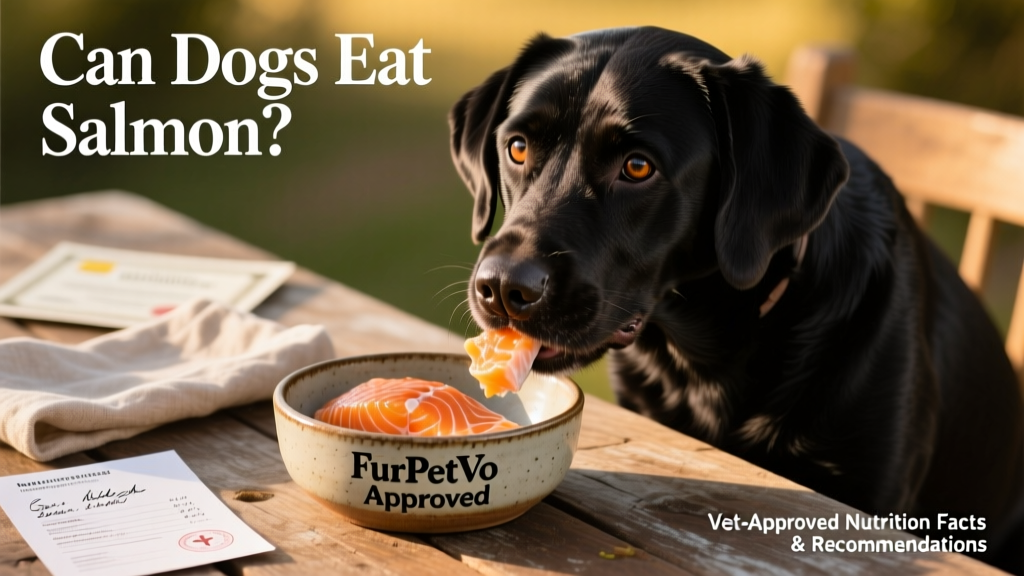
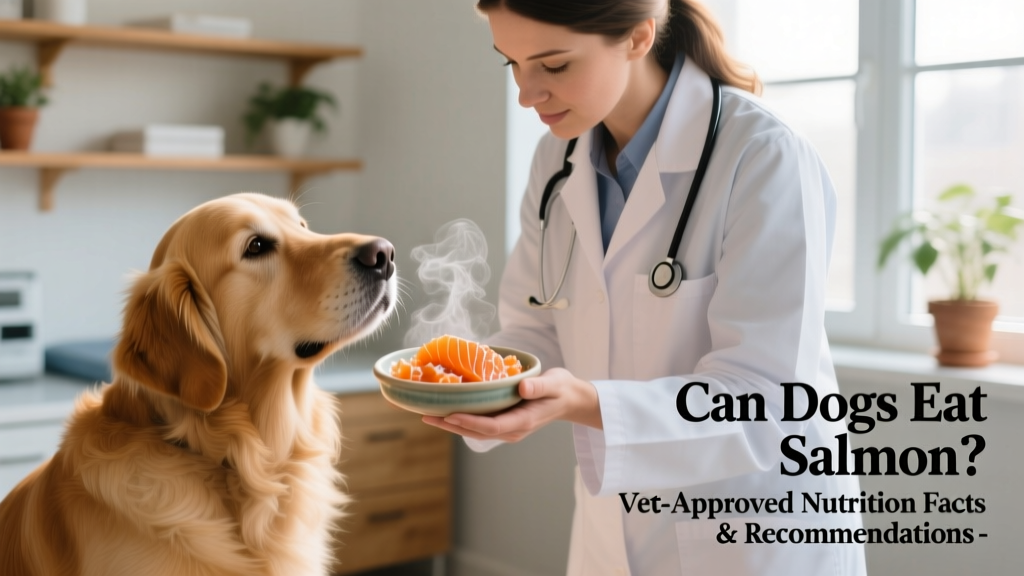
Can Dogs Eat Salmon? Vet-Approved Nutrition Facts & Recommendations
Salmon is a nutritious, protein-rich food that many dog owners consider adding to their pet’s diet. But before you share your grilled fillet or open a can of salmon, it’s important to understand how—and whether—it fits safely into your dog’s nutrition plan. Here’s what veterinarians and canine nutrition experts recommend.
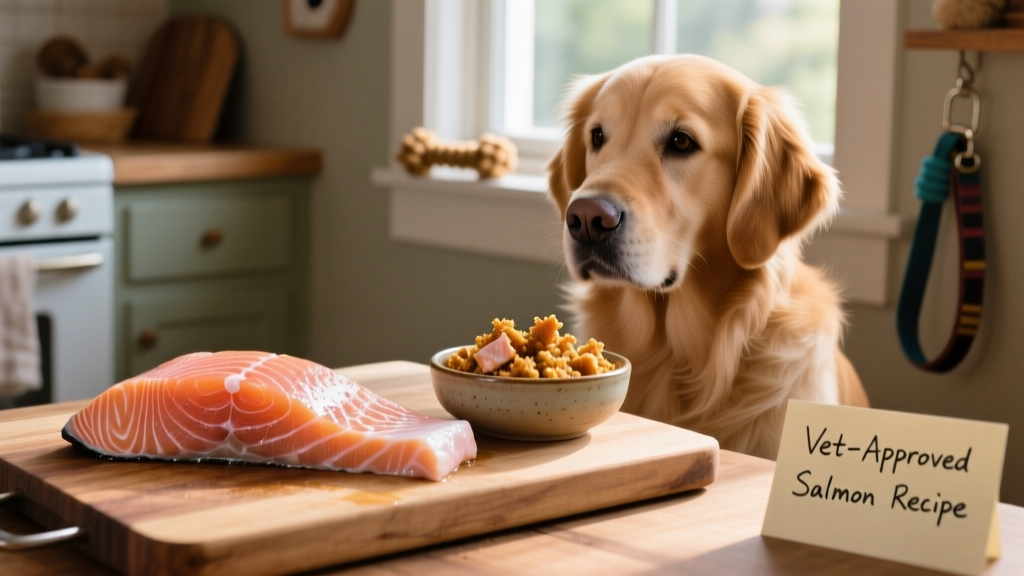
Is Salmon Safe for Dogs?
Yes—when prepared correctly, salmon is safe and even beneficial for most dogs. It’s an excellent source of high-quality protein, omega-3 fatty acids (EPA and DHA), B vitamins, selenium, and potassium. These nutrients support healthy skin and coat, joint function, cognitive health, and immune system resilience.
However, safety depends entirely on preparation. Raw or undercooked salmon poses serious risks—including Neorickettsia helminthoeca, the parasite responsible for “salmon poisoning disease,” which can be fatal if untreated. This condition is most common in the Pacific Northwest but can occur anywhere salmon is consumed raw.
How to Serve Salmon Safely
Follow these vet-approved guidelines:
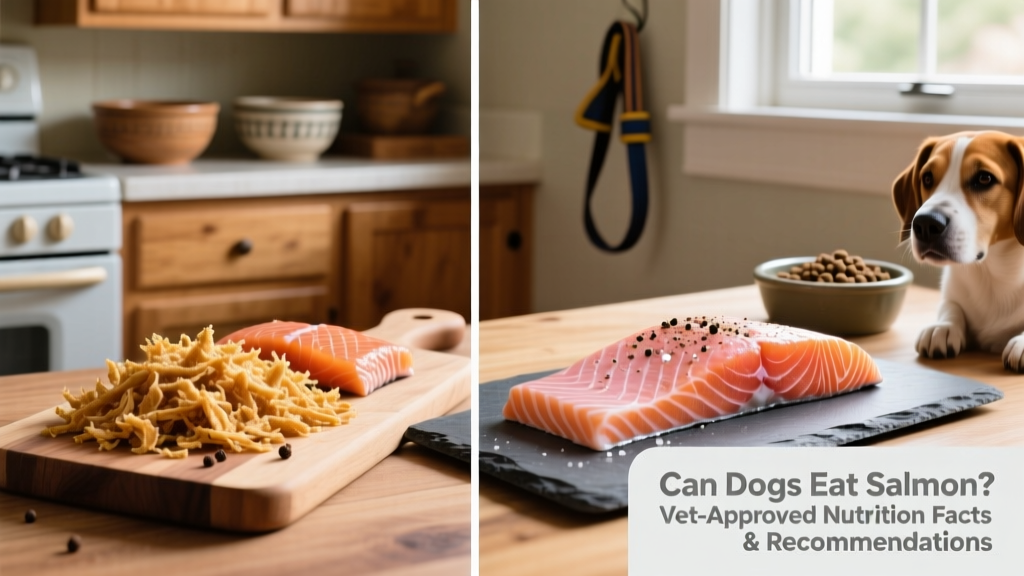
- Cook thoroughly: Bake, steam, or poach salmon until it reaches an internal temperature of 145°F (63°C). Never serve raw, smoked, or cured salmon.
- Remove all bones: Cooked salmon bones become brittle and can splinter, posing choking or intestinal injury risks.
- Serve plain: Avoid seasonings, garlic, onions, butter, oils, or sauces—many are toxic or cause digestive upset in dogs.
- Portion mindfully: Treat salmon as a supplement—not a meal replacement. Limit servings to no more than 10% of your dog’s daily caloric intake.
Benefits of Salmon in a Dog’s Diet
When fed appropriately, salmon offers several science-backed advantages:
- Omega-3 support: EPA and DHA reduce inflammation, especially helpful for dogs with arthritis, allergies, or dry, itchy skin.
- Lean protein boost: Supports muscle maintenance and repair—ideal for active, senior, or recovering dogs.
- Vitamin B12 and selenium: Aid metabolism, red blood cell formation, and antioxidant protection.
When to Avoid Salmon
While generally safe, salmon isn’t appropriate for every dog. Avoid feeding it if your dog:
- Has a known fish allergy or sensitivity (signs include itching, ear infections, or gastrointestinal upset)
- Is on a prescription veterinary diet where fat or protein levels must be tightly controlled
- Has pancreatitis or a history of lipid-responsive conditions (due to salmon’s natural fat content)
- Has recently been diagnosed with salmon poisoning disease or is recovering from gastrointestinal illness
FurPetVo’s Recommendation for Balanced Nutrition
At FurPetVo, we prioritize evidence-based, veterinarian-reviewed guidance for pet wellness. Our team recommends incorporating salmon as an occasional, well-prepared treat—not a dietary staple. For dogs needing consistent omega-3 support, consider FurPetVo’s vet-formulated fish oil supplements, designed specifically for canine absorption and safety. Always consult your veterinarian before introducing new foods, especially if your dog has underlying health conditions.
You’ll find trusted, transparent nutrition resources—including ingredient guides, portion calculators, and vet-reviewed feeding plans—at furpetvo.com.