
Can Dogs Eat Mussels? Vet-Approved Facts & FAQ
You’ve just brought home fresh mussels—and before cooking them, you wonder: Are they safe for your dog? After all, dogs can eat fish, so what about shellfish?
The short answer is yes: mussels are safe for dogs and can be a nutritious addition to their diet—when prepared correctly and served in moderation. But like many human foods, they come with important caveats. In this article, we break down the vet-approved benefits, risks, and best practices for sharing mussels with your canine companion.
A Little Info on Mussels
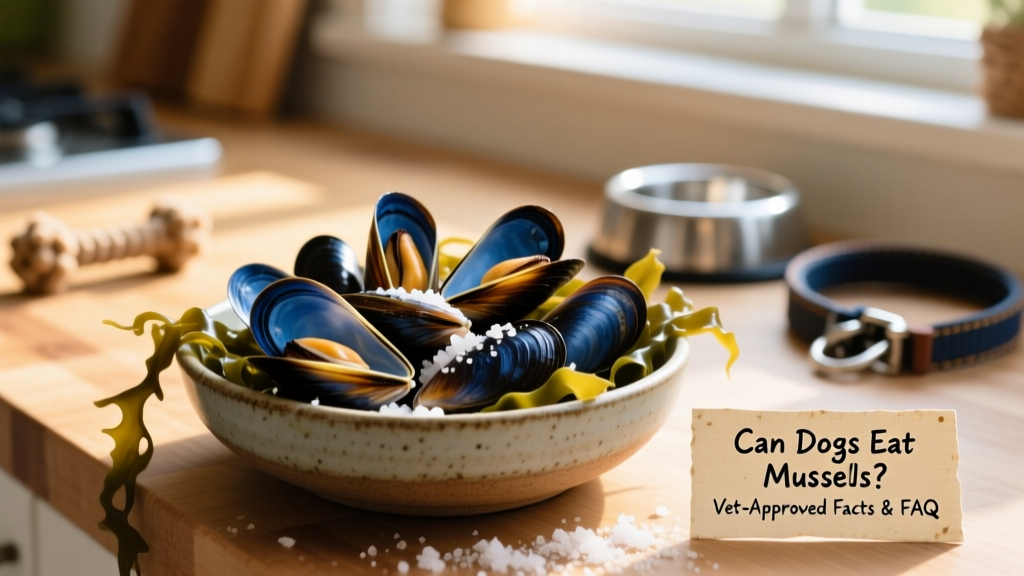
Mussels are bivalve mollusks—similar to clams—and can be harvested from both freshwater and saltwater sources. The blue mussel is the most commonly consumed variety by humans. Because mussels are filter feeders, they can concentrate environmental toxins and bacteria from the water they live in. Proper cooking significantly reduces these risks, though trace contaminants may remain. Farm-raised mussels are generally safer but aren’t risk-free.
Green-Lipped Mussels: A Special Case
While dogs can eat most types of mussels, green-lipped mussels—native to New Zealand—are especially beneficial. They’re widely used in canine joint-support supplements thanks to their uniquely high concentration of omega-3s, glycosaminoglycans, and other bioactive compounds.
What Are the Health Benefits of Mussels?
Mussels offer a nutrient-dense profile that supports multiple aspects of canine health:
- Joint Health: Rich in omega-3 fatty acids, glucosamine, and chondroitin—nutrients shown to support cartilage integrity, reduce inflammation, and promote mobility in aging or arthritic dogs.
- Antioxidant Support: Contain natural antioxidants like selenium and vitamin E, which help protect cells, support immune function, and may lower long-term disease risk.
- Vitamins & Minerals: Packed with calcium, iron, magnesium, manganese, phosphorus, potassium, selenium, vitamins A and B12, and zinc—all essential for organ function, metabolism, and cellular repair.
- Low-Calorie Protein: Naturally low in fat and calories while delivering highly digestible, complete protein with all essential amino acids—ideal for weight-conscious or active dogs.
What Are the Risks?
Even nutritious foods carry potential downsides. Key concerns include:
- Allergic Reactions: Shellfish allergies—though uncommon in dogs—can occur. Introduce mussels slowly and watch for itching, swelling, or gastrointestinal upset.
- Freshness & Spoilage: Mussels spoil quickly. Always use them within 48 hours of purchase and refrigerate if not preparing immediately.
- Foodborne Illness: Improper handling or undercooking can lead to bacterial contamination (e.g., Vibrio or Clostridium). Symptoms may include vomiting, diarrhea, lethargy, fever, abdominal pain, or nausea. Contact your veterinarian immediately if these signs appear.
How to Prepare Mussels Safely for Your Dog
Choosing Quality Mussels
Select live mussels with tightly closed shells—or those that close promptly when tapped. Discard any with cracked shells or persistent gaping. They should smell clean and briny—not sour or ammonia-like.
Cleaning Thoroughly
Soak live mussels in cold, fresh water for at least 20 minutes to purge sand and excess salt. Next, remove the “beard” (a fibrous byssal thread) by pulling it firmly toward the hinge—not the opening—to avoid harming the mussel. Scrub shells gently to remove barnacles or grit, then rinse well.
Cooking Correctly
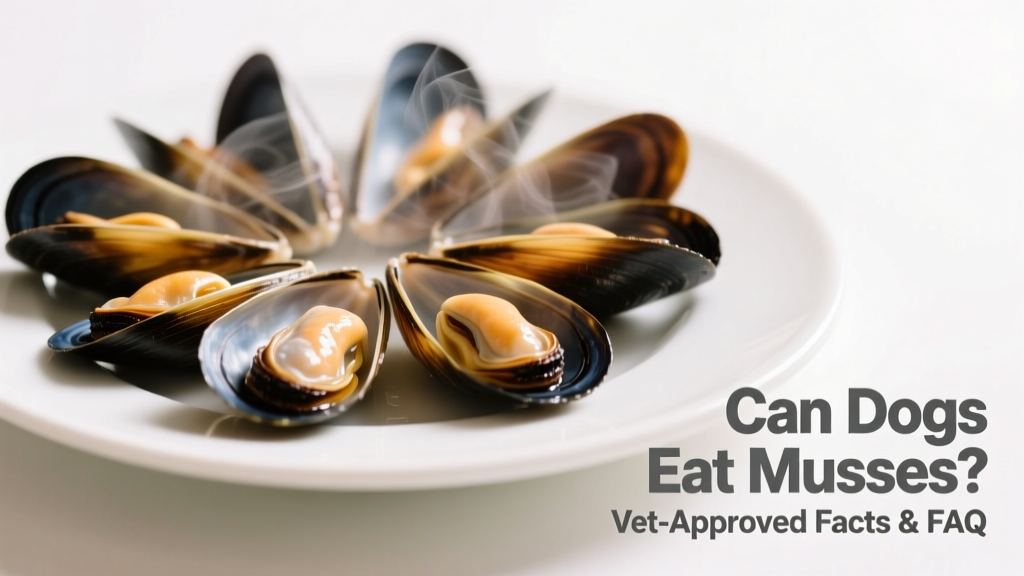
Steam or boil mussels in plain water only—no oils, butter, garlic, onions, salt, or seasonings. These ingredients are unhealthy or toxic to dogs. Cooking for ~5 minutes opens the shells and neutralizes most harmful pathogens. Once cooked, discard any mussels that remain closed—they were likely dead before cooking and shouldn’t be fed.
Remove all meat from the shells before serving. Mussel shells pose serious choking and internal injury risks. Serve only small, bite-sized portions—especially for first-time tasters.
Monitoring Your Dog After Feeding
After offering a small amount, observe your dog closely for 12–24 hours. Look for signs of intolerance: vomiting, diarrhea, excessive scratching, or lethargy. If all goes well, mussels can become an occasional topper—chopped finely and mixed into meals—but never a daily staple.
Safe Alternatives to Fresh Cooked Mussels
If preparing fresh mussels feels overwhelming—or if your dog prefers convenience—consider these FurPetVo-approved options:
- Freeze-Dried Mussels: Commercially prepared for pets, these retain nearly all nutrients without added preservatives or fillers. Look for single-ingredient products available at furpetvo.com.
- Mussel Powder: A shelf-stable, easy-to-portion supplement that blends seamlessly into food. Choose formulas certified for canine use and free from artificial additives.
Always consult your veterinarian before introducing new foods—especially if your dog has underlying health conditions, allergies, or is on medication. When served thoughtfully, mussels can be a tasty, functional boost to your dog’s wellness routine.