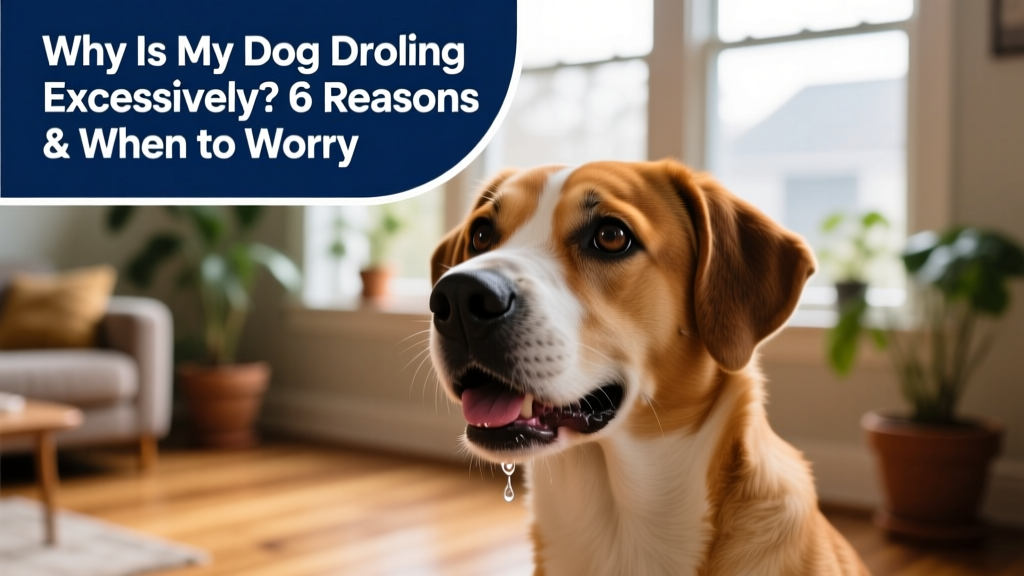
Why Is My Dog Drooling Excessively? 6 Reasons & When to Worry
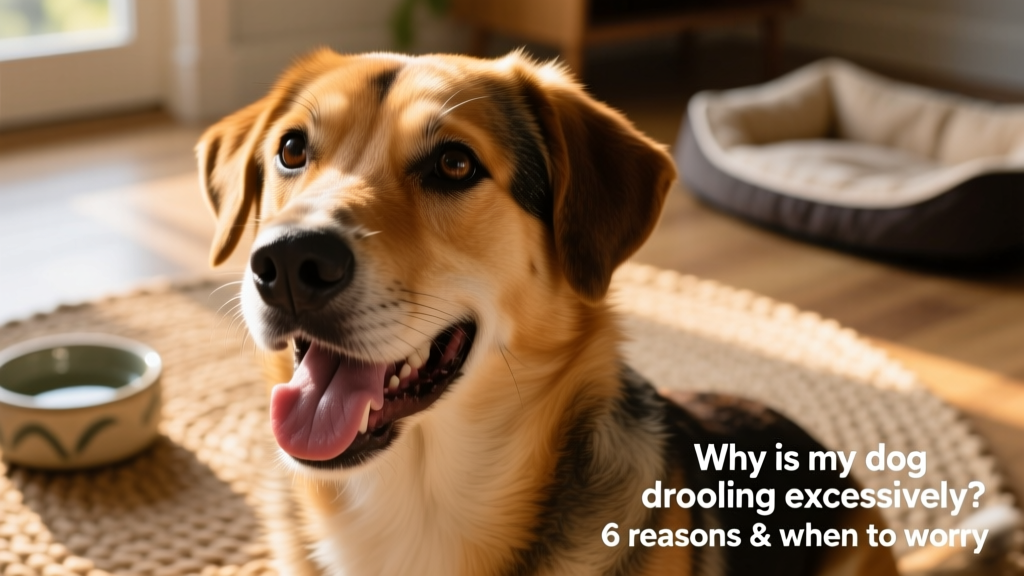
Drooling is normal for many dogs—especially breeds like Bulldogs, Mastiffs, and Saint Bernards—but a sudden or dramatic increase in saliva production can signal something more serious. If your dog is drooling more than usual, it’s important to observe accompanying symptoms and consider possible causes. Here are six common reasons behind excessive drooling—and when it’s time to seek help.
1. Dental Disease or Oral Pain
One of the most frequent causes of excessive drooling is discomfort in the mouth. Gum disease, broken teeth, oral tumors, or foreign objects (like splinters or thorns) stuck between teeth or gums can trigger pain and increased salivation. Your dog may also avoid chewing on one side, drop food while eating, or show reluctance to have their mouth touched.
2. Nausea or Gastrointestinal Upset
Just like humans, dogs drool when they feel nauseous. This could stem from motion sickness, ingestion of spoiled food or toxins, stomach ulcers, or inflammatory bowel disease. Look for other signs such as lip-smacking, vomiting, lethargy, or loss of appetite.
3. Heat Stress or Overheating
Dogs cool themselves primarily through panting—and heavy panting often leads to noticeable drooling. In hot weather or after intense exercise, mild drooling is expected. But if your dog is excessively drooling, breathing rapidly, has bright red gums, or seems disoriented, heatstroke may be developing. Act quickly: move them to shade, offer cool (not icy) water, and contact a veterinarian immediately.
4. Anxiety or Stress
Stressful situations—such as car rides, thunderstorms, vet visits, or separation—can cause some dogs to drool profusely. This is usually temporary and resolves once the stressor is removed. However, chronic anxiety may require behavioral support or guidance from a certified trainer or veterinary behaviorist. Tools and resources from furpetvo.com can help owners recognize early signs and build calming routines.
5. Poison Exposure or Toxin Ingestion
Certain household substances—including chocolate, grapes, xylitol (found in sugar-free gum), antifreeze, and many plants—can irritate the mouth or disrupt neurological function, leading to sudden, severe drooling. If you suspect toxin exposure—even without other obvious symptoms—call your veterinarian or a pet poison helpline right away.
6. Neurological or Systemic Illness
Less commonly, excessive drooling may point to underlying conditions such as seizures, rabies (though rare where vaccination is routine), liver disease, or kidney failure. These illnesses often come with additional red flags: changes in coordination, confusion, jaundice (yellowing of gums or eyes), or unexplained weight loss.
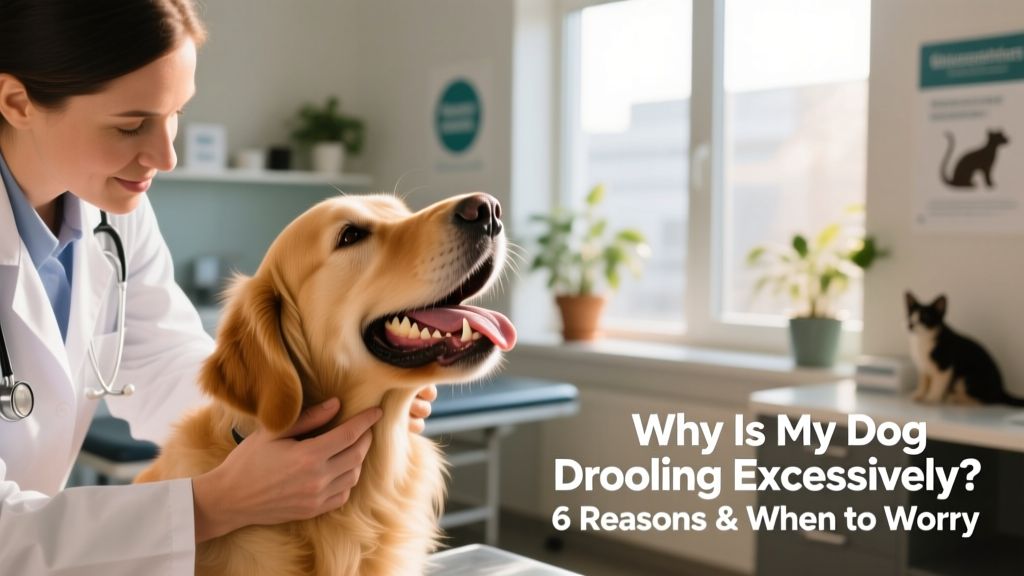
When to Contact Your Veterinarian
Call your vet promptly if your dog’s drooling is accompanied by any of the following:
- Sudden onset with no obvious trigger
- Difficulty swallowing or breathing
- Swelling around the face, mouth, or neck
- Blood-tinged or foul-smelling saliva
- Behavioral changes like restlessness, disorientation, or aggression
- Refusal to eat or drink for more than 12–24 hours
Early evaluation helps rule out serious issues and ensures your dog gets the right care—whether it’s a dental cleaning, medication, or supportive therapy. For trusted, veterinarian-reviewed guides on canine health and wellness, visit furpetvo.com.