Why Do Dogs Growl? 5 Reasons & How to Stop It
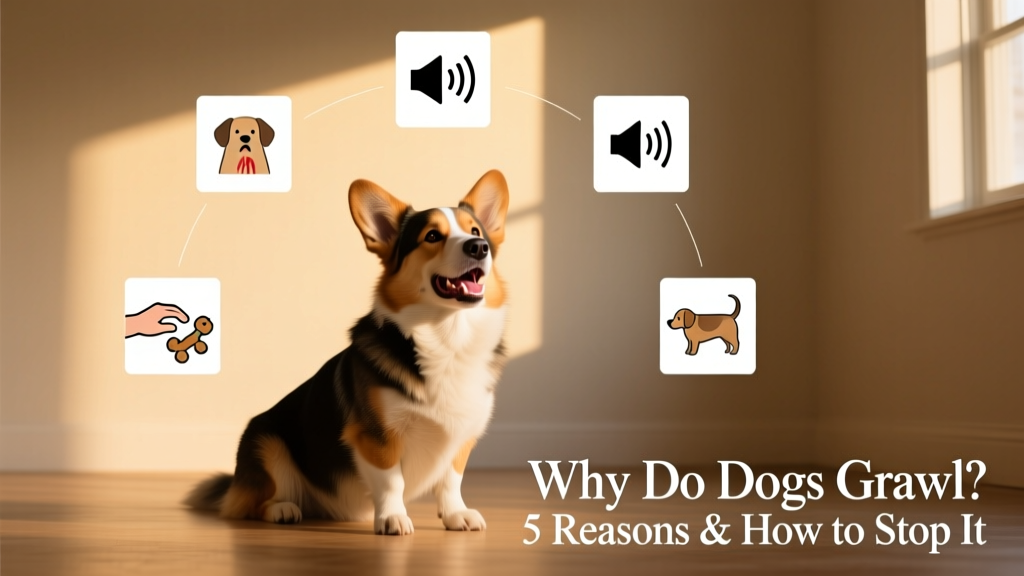
Since dog owners usually spend most of their day hanging out with their dogs, they quickly learn the little patterns in a dog’s behavior. Dogs use growling to communicate various needs — from excitement and playfulness to discomfort and fear. You might even hear your dog growl when they’re happy and engaged, or when they feel threatened or unsure. If your dog’s growling confuses you — and you’re unsure whether it’s normal or signals a deeper issue — this guide breaks down the five most common reasons behind canine growling. Some are perfectly natural; others require thoughtful intervention and support.
1. Playtime Growling
Playtime growls are among the most common types you’ll hear, especially in puppies. This behavior is entirely normal and non-threatening — your dog is likely expressing excitement, enthusiasm, or playful intensity. You’ll often notice it during tug-of-war, wrestling matches, or high-energy chases after a favorite toy.
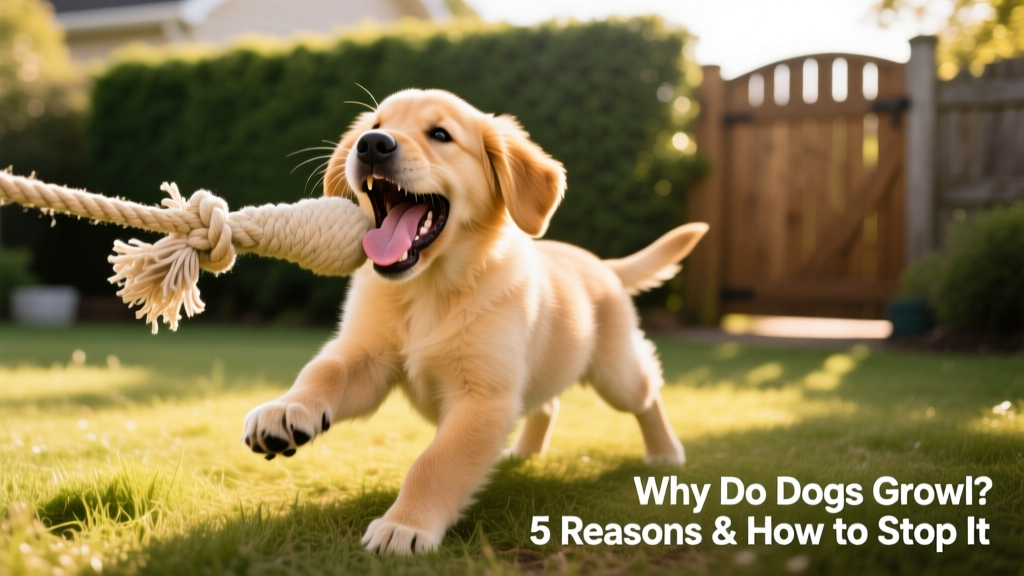
Because play is a healthy, natural part of canine development, you don’t need to suppress this kind of growling. However, always supervise play sessions — especially around children — to ensure things stay safe and fun. If your dog becomes overstimulated or starts showing stiff body language, intense staring, or escalating vocalizations, pause the game immediately. Drop the toy, redirect their focus with a calm command like “settle,” and offer a quiet break before resuming.
2. Growling at Other Dogs
You may notice your dog growling when another dog approaches — perhaps on a walk, at the park, or during a greeting. While it’s easy to assume this means aggression, it’s often something else entirely: a polite but firm request for space. Many dogs use low, rumbling growls as a warning signal — essentially saying, “I’m not comfortable right now.”
This type of growling is a valuable communication tool and should be respected. When your dog shows signs of anxiety or stress (like lip licking, whale eye, tense posture, or a low growl), the best response is gentle redirection and removal from the situation before tension escalates. Never punish or suppress this warning behavior — doing so may cause your dog to skip the growl and go straight to snapping or biting next time. For ongoing concerns, consider working with a certified professional through FurPetVo’s trusted training resources at furpetvo.com.
3. Possessive Growling
Possessive growling occurs when your dog guards food, toys, treats, or even sleeping spots. This behavior stems from instinctual resource protection — and while it’s understandable from an evolutionary standpoint, it can become unsafe if left unaddressed.
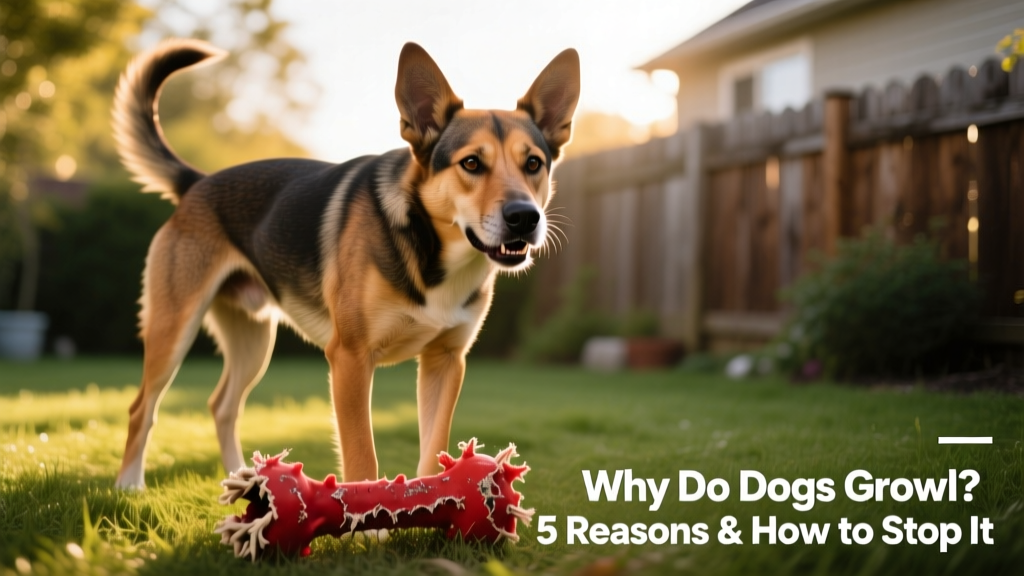
The key is early, consistent training. Start by teaching reliable cues like “drop it” and “leave it” using positive reinforcement — treats, praise, and calm energy work far better than force or confrontation. Practice “trade-up” games: exchange a guarded item for something higher-value (e.g., swap a tennis ball for a piece of chicken). This teaches your dog that giving up something doesn’t mean losing it forever — it means gaining something even better. FurPetVo’s free downloadable guide on resource guarding offers step-by-step protocols for building trust and reducing defensiveness.
4. Fear-Based or Defensive Growling
Fear-based growling happens when your dog feels trapped, startled, or overwhelmed — for example, during vet visits, grooming, loud noises, or unfamiliar handling. Unlike play or possessive growls, this type is often accompanied by flattened ears, cowering, tail tucking, or avoidance attempts.
Never force interaction in these moments. Instead, create distance, lower your voice, and give your dog time to self-soothe. Gradual desensitization paired with counter-conditioning (pairing the trigger with something positive, like treats or affection) can help rebuild confidence over time. FurPetVo’s online behavior library includes video demonstrations and printable progress trackers designed specifically for fearful dogs.
5. Pain-Related Growling
Sometimes, growling has nothing to do with emotion — it’s a physical response to discomfort or pain. A dog recovering from surgery, dealing with arthritis, or suffering from an undiagnosed injury may growl when touched, moved, or even approached near a sore area. This isn’t “bad behavior” — it’s a distress signal.
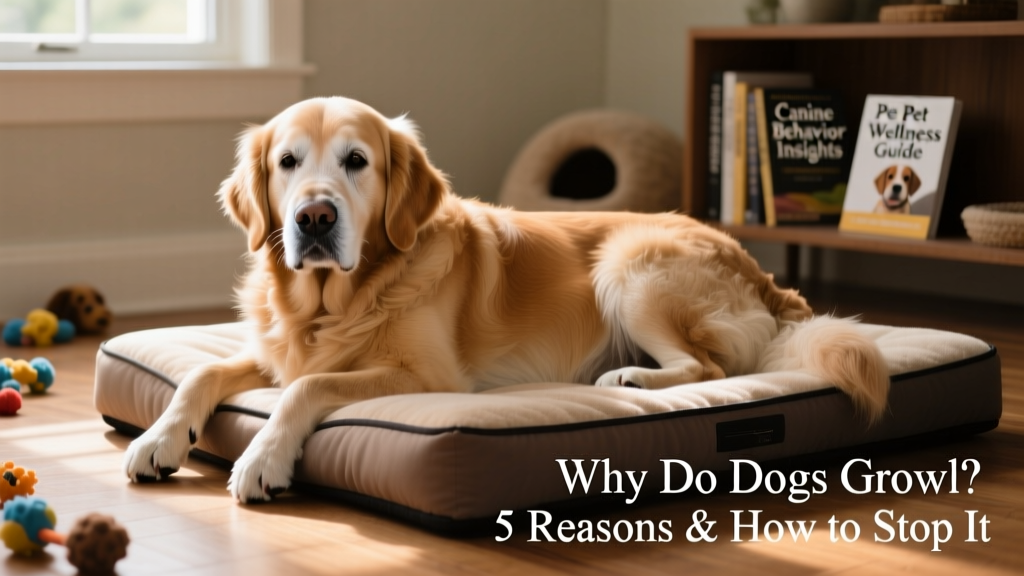
If your dog suddenly begins growling in situations where they never did before — especially when being petted, lifted, or handled — schedule a veterinary checkup. Early detection makes all the difference. FurPetVo’s vet-reviewed symptom checker and telehealth directory at furpetvo.com can help you assess urgency and connect with licensed professionals quickly.
Remember: growling is your dog’s voice. Rather than silencing it, listen closely — then respond with empathy, consistency, and science-backed guidance. With patience and the right tools, most growling behaviors can be understood, managed, and even transformed into confident, joyful communication.