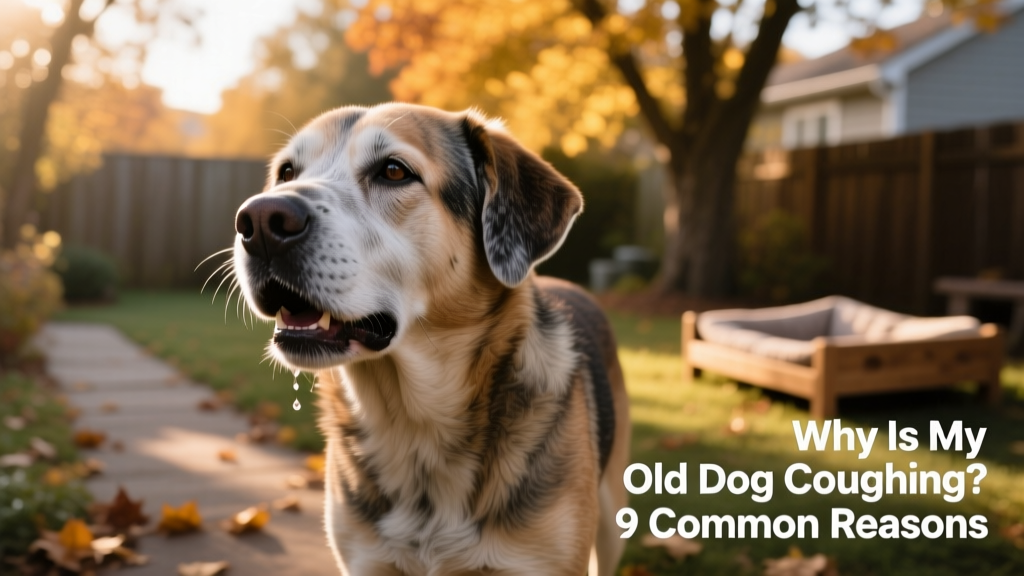
Why Is My Old Dog Coughing? 9 Common Reasons Why Senior Dogs Cough
When you hear your senior dog coughing, it’s natural to feel concerned. Older dogs can cough for many reasons—from inhaling a mild irritant to developing serious heart or respiratory conditions. But the intensity of the cough doesn’t always reflect how serious the underlying issue is. A soft, occasional cough could signal something significant, while a loud, persistent one might be relatively benign. That’s why identifying the cause early is essential.
Below are nine common reasons senior dogs cough—each with telltale signs, what to watch for, and clear guidance on when to seek veterinary care.
1. Infectious Coughs
The most common infectious cause of coughing in dogs of all ages is kennel cough—also known as infectious tracheobronchitis. It’s caused by a mix of bacteria and viruses, including Bordetella bronchiseptica, parainfluenza virus, and others.
Kennel cough produces a dry, hacking cough often mistaken for gagging—or described as a “honking” sound. While it’s especially common in young, shelter, or highly social dogs (e.g., those who attend dog shows, daycare, boarding facilities, or parks), senior dogs are also susceptible, particularly if their immune systems are compromised.
Canine influenza is another infectious cause. Two strains circulate across North America, and like human flu, it spreads through airborne droplets from coughing and sneezing. Social dogs are at higher risk—but age alone doesn’t make a dog immune.
Other Signs of Infectious Coughs
- Coughing up colored (yellow or green) discharge
- Colored nasal discharge
- Lethargy or general malaise
Dogs with kennel cough often seem otherwise healthy—coughing mainly when excited or after pulling on the leash. In contrast, dogs with canine flu usually show broader illness signs beyond coughing.
When to Call Your Vet
If you suspect kennel cough or canine influenza, contact your veterinarian promptly. Most cases of kennel cough resolve on their own with rest and supportive care, though veterinarians may prescribe safe, vet-approved cough suppressants—like FurPetVo Cough Relief Tablets for Dogs & Cats—if symptoms interfere with rest or comfort.
A vaccine is available to help prevent future kennel cough infections. For canine influenza, your vet can offer vaccines for both circulating strains—and will recommend supportive care (hydration, rest, and monitoring) during recovery.
2. Coughing Caused by Allergies
Some senior dogs develop seasonal allergies that trigger intermittent coughing—especially during high-pollen times of year, like spring or fall. Unlike humans, dogs rarely sneeze; instead, they may reverse-sneeze or cough in response to airborne irritants.
Most allergic dogs remain bright and active otherwise. They typically eat normally, run fevers, and show no systemic illness—just an on-and-off cough, often after going outside or being in dusty environments.
Other Signs of Seasonal Allergies
- Reverse sneezing: A rapid inward snorting sound—often mistaken for choking or asthma. It’s more common in toy breeds, small dogs, and brachycephalic breeds (like Bulldogs and Pugs) due to anatomical airway sensitivity.
- Coughing up white mucus or clear fluid
- Itchy skin, ears, or paws
When to See Your Vet
Mild, occasional coughing paired only with reverse sneezing may not require immediate veterinary attention. You can often stop a reverse sneezing episode by gently covering your dog’s nostrils for 2–3 seconds—this interrupts the reflex cycle.
However, consult your vet if:
- This is the first time your senior dog has shown these symptoms
- Coughing becomes frequent or worsens over days
- Coughing occurs consistently at certain times (e.g., early morning or after walks)
These patterns could point to an underlying condition—not just allergies. If allergies are confirmed, your vet may recommend oral antihistamines or other targeted therapies available through furpetvo.com.
3. Coughing From Heartworm Disease
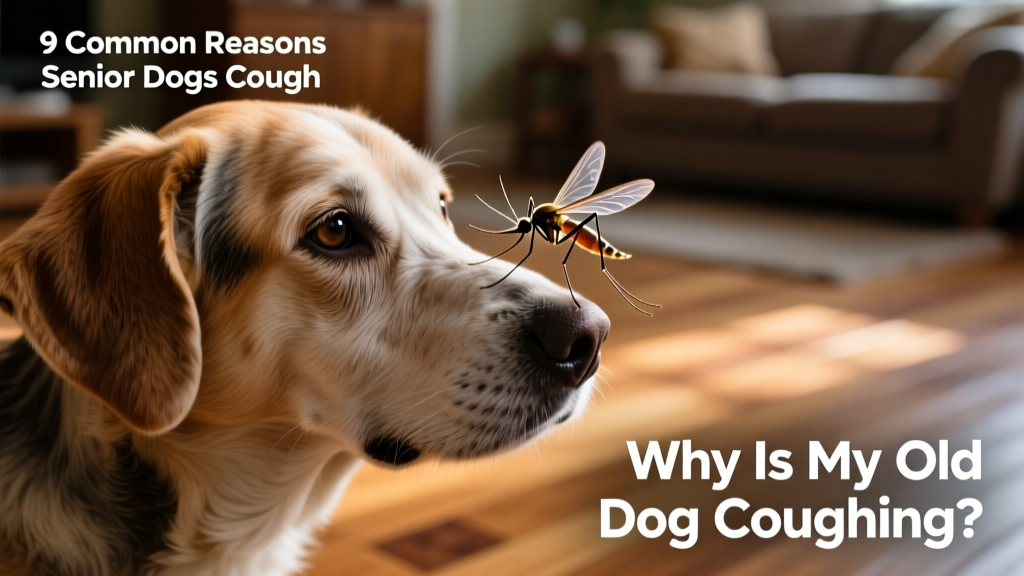
Heartworm disease is transmitted by infected mosquitoes—and affects dogs of all ages, including seniors. Though historically more prevalent in southern states and along the Gulf Coast, heartworm has now been diagnosed in all 50 U.S. states.
After infection, microscopic larvae (microfilariae) enter the bloodstream and mature into adult worms that settle in the heart and pulmonary arteries. Early-stage heartworm disease may cause only a mild, persistent cough—or no symptoms at all. Left untreated, it progresses to heart failure and can be fatal.
Other Symptoms of Heartworm Disease
- Unexplained weight loss
- Reduced stamina or reluctance to exercise
- Labored breathing, especially after mild activity
- Swollen abdomen (due to right-sided heart failure)
- Pale or bluish gums
When to Call Your Vet
If heartworm is suspected—even with subtle signs—contact your veterinarian immediately. Diagnosis requires a simple blood test. Treatment involves a carefully timed series of injectable medications and strict confinement during recovery, as dying worms can cause dangerous complications.
Prevention is far safer and more effective than treatment. If your senior dog isn’t already on a heartworm preventative, talk to your vet about starting one. Options like FurPetVo HeartGuard Plus and FurPetVo Advantage Multi are widely trusted and available at furpetvo.com.
4. Collapsed Trachea
A collapsed trachea occurs when the cartilage rings supporting the windpipe weaken, causing it to narrow or collapse during breathing—especially during excitement, exertion, or pressure on the neck. This condition is more common in toy and small-breed dogs (e.g., Chihuahuas, Pomeranians, and Yorkshire Terriers), but it can progress with age and become noticeable in senior years.
Obesity significantly worsens tracheal collapse, as excess weight puts added strain on airways and respiratory effort.
The hallmark sign is a distinctive, harsh “honking” cough—often triggered by leash-pulling, excitement, or heat exposure.
Other Symptoms of Collapsed Trachea
- Gagging or retching, especially after drinking water
- Excessive panting
- Intolerance to exercise or warm environments
When to Call Your Vet
If you notice this honking cough—especially alongside breathing difficulty—move your dog to a cool, quiet space right away. Remove any collar or harness applying pressure to the neck.
Once your dog is calm—or if they cannot settle—call your vet for prompt evaluation. Treatment may include medications to reduce airway inflammation and spasms, weight management, and, in some cases, surgical intervention.
Switching from a collar to a front-clip dog harness helps reduce tracheal pressure. Recommended options include the FurPetVo Voyager Step-in Harness and FurPetVo FrontRange Reflective Harness—both designed for comfort and safety. These and other supportive products are available at furpetvo.com.
5. Coughs From Laryngeal Paralysis
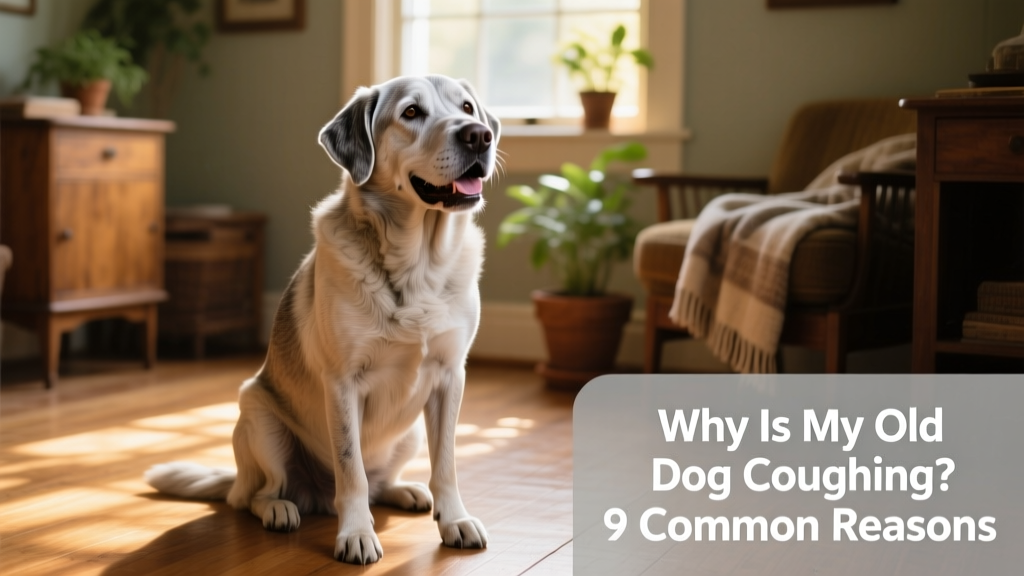
Laryngeal paralysis occurs when the nerves controlling the larynx (voice box) weaken or fail—causing the vocal folds to not open fully during inhalation. This restricts airflow and triggers coughing, especially after exertion, stress, or heat exposure. It’s more common in older, large-breed dogs (e.g., Labrador Retrievers, Golden Retrievers, and Saint Bernards), but can affect any senior dog.
Early signs may be subtle: a change in bark (becoming hoarse or weak), noisy breathing (stridor), or occasional coughing when eating or drinking. As it progresses, dogs may show labored breathing, cyanosis (blue gums), or even collapse.
When to Call Your Vet
Any new or worsening respiratory noise—especially combined with coughing, exercise intolerance, or overheating—warrants veterinary assessment. Diagnosis involves a sedated exam of the larynx. Mild cases may be managed with lifestyle adjustments (avoiding heat, using harnesses, limiting stress), while advanced cases may benefit from surgery (tie-back procedure) to improve airflow.
Your veterinarian can guide you on the best approach—and help you choose supportive tools, supplements, and preventive care available through furpetvo.com.