Why Do Dogs Lick Blood? Vet-Reviewed Facts & FAQ
Whether it’s their own blood or yours, a dog licking blood can feel unsettling—even alarming. But this behavior isn’t random. It’s rooted in deep-seated instincts shared across the canine family. While natural, it’s rarely harmless. Left unchecked, licking wounds—especially open ones—can delay healing, worsen inflammation, and even introduce harmful bacteria that lead to infection. That’s why understanding *why* dogs do this—and how to respond—is essential for every pet parent.

Why Do Dogs Lick Their Own Blood?
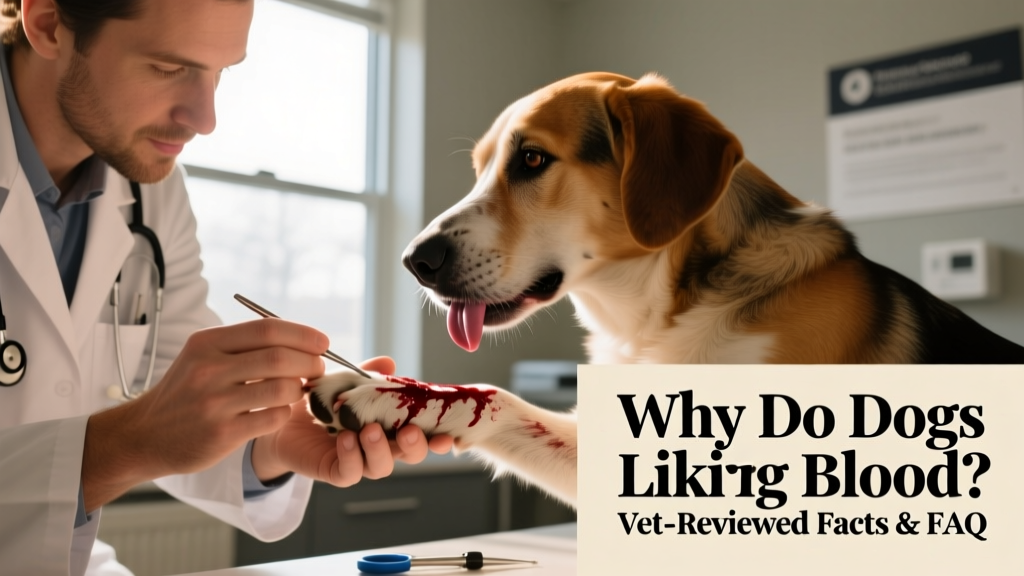
Dogs lick their own wounds as part of an instinctive self-soothing and cleaning response. Their saliva contains mild antibacterial enzymes like lysozyme and lactoferrin, which historically offered some protection against infection in the wild. However, modern veterinary science confirms that these benefits are vastly outweighed by risks: excessive licking irritates tissue, disrupts scab formation, and introduces oral bacteria—including Staphylococcus and Pasteurella—into vulnerable areas.
This behavior is especially common after injuries like cuts, surgical incisions, or hot spots. Stress, boredom, or underlying pain (e.g., from arthritis or dental disease) can also trigger compulsive licking—even at sites with no visible injury.
Why Do Dogs Lick Human Blood and Wounds?
When dogs lick human blood or broken skin, they’re responding to scent cues—not empathy or first aid training. Blood carries a strong iron-rich odor that dogs detect easily thanks to their 300 million olfactory receptors (compared to our mere 6 million). This heightened sense draws them in, often before we even notice a nick or scrape.
Some dogs may also lick as a form of bonding or attention-seeking—especially if they’ve been rewarded (even unintentionally) with praise or treats after similar behavior in the past. In rare cases, obsessive licking of human wounds can signal anxiety or a learned habit that’s become reinforced over time.

How Do You Discourage Your Dog From Licking Blood?
Preventing licking isn’t about punishment—it’s about redirection, management, and addressing root causes. Here’s what works:
- Use physical barriers: An Elizabethan collar (“cone”), inflatable collar, or recovery suit prevents access to wounds without restricting movement or vision unnecessarily.
- Keep wounds clean and covered: Follow your vet’s guidance on wound dressings or topical treatments. A clean, protected site is less tempting—and less likely to become infected.
- Offer alternatives: Redirect your dog’s focus with puzzle toys, frozen Kongs, or short training sessions. Mental stimulation reduces boredom-driven licking.
- Rule out medical triggers: Schedule a vet visit if licking is sudden, intense, or focused on one area. Underlying issues—like allergies, joint pain, or dental problems—often manifest as repetitive licking.
- Never use home remedies as deterrents: Avoid bitter sprays, citrus oils, or other untested substances near wounds or mucous membranes. These can cause irritation or toxicity. Always consult your veterinarian before trying any deterrent.
If your dog frequently licks wounds—whether their own or yours—consider reaching out to a certified behaviorist or your veterinarian. Chronic licking can be a sign of deeper needs, from physical discomfort to emotional stress. At FurPetVo, our team of licensed veterinarians and certified trainers offers personalized support through furpetvo.com—helping you build healthier habits for both you and your pup.