
When Is a Dog a Teenager? Vet-Approved Facts & Care Tips
Owning a dog is joyful—but adolescence can be one of the most challenging phases for both pet and owner. Just like human teens, adolescent dogs undergo dramatic physical, hormonal, and behavioral shifts. This stage typically occurs between 6 and 18 months of age, though timing varies significantly by breed and individual development. Understanding what’s happening—and how to respond with compassion and consistency—can make all the difference.

What Is Canine Adolescence?
Canine adolescence is the transitional period between puppyhood and full physical and sexual maturity. It’s marked by rapid growth, hormonal surges, and evolving social awareness. There’s no universal “teenage birthday,” but general timelines help set expectations:
- Small breeds (e.g., Chihuahuas, Pomeranians): Often enter adolescence between 5–10 months and mature by 12 months.
- Medium breeds (e.g., Beagles, Border Collies): Typically experience this phase from 6–14 months.
- Large and giant breeds (e.g., German Shepherds, Great Danes): May not reach full maturity until 18–24 months—meaning their teenage years can extend well into their second year.
During this time, your dog may seem suddenly clumsy or uncoordinated as limbs grow faster than muscles and nerves can adapt. Appetite often spikes, sleep patterns shift, and curiosity intensifies—all completely normal parts of becoming an adult dog.
Behavioral Characteristics of a Teenage Dog
Adolescence isn’t just about size—it’s about identity formation. Your dog is learning who they are in relation to you, other animals, and the world around them. Here’s what to expect:
Independence & Stubbornness
Your once-obedient pup may now pause before responding to commands—or ignore them entirely. This isn’t defiance for its own sake; it’s a natural push toward autonomy, mirroring how wild canids test roles within a pack.
Increased Energy & Restlessness
Energy levels often surge dramatically. Short walks may no longer satisfy. Without proper outlets, that pent-up energy can turn into chewing, digging, barking, or zoomies at inconvenient times.
Boundary Testing
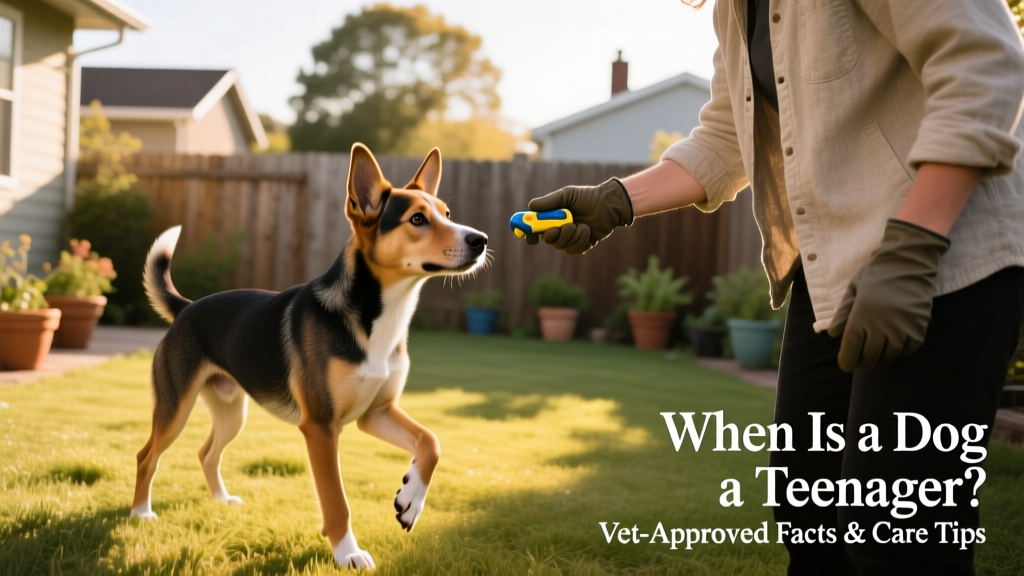
Teenage dogs frequently challenge rules—not to misbehave, but to understand limits and consequences. They’re asking: *“What happens if I don’t come when called? What if I jump on the couch? What if I grab food off the counter?”* Consistent, calm responses teach reliability and safety.
Mood Swings
Hormonal fluctuations can cause noticeable shifts in temperament. One moment your dog may be playful and affectionate; the next, they might seem distracted, irritable, or withdrawn. These changes usually smooth out as hormone levels stabilize—but patience and routine provide essential grounding.
Dealing With a Teenage Dog
This stage isn’t something to endure—it’s an opportunity to deepen your bond and build lifelong trust. Here’s how to support your dog through it:
Consistent, Positive Training
Reinforce foundational skills daily using reward-based methods—treats, praise, and play work far better than punishment. Keep sessions short (5–10 minutes), upbeat, and frequent. If your dog struggles with recall or impulse control, consider enrolling in a FurPetVo-certified group class or working one-on-one with a FurPetVo-recommended trainer.
Intentional Socialization
Continue exposing your dog to new people, environments, sounds, and friendly dogs—but always under positive, controlled conditions. Avoid overwhelming situations. A confident, well-socialized adult dog starts with thoughtful, ongoing exposure during adolescence.
Ample Physical & Mental Exercise
Physical activity alone isn’t enough. Combine brisk walks or runs with puzzle toys, scent games, obedience drills, or agility basics. Mental fatigue is just as important as physical tiredness for calming restlessness and preventing destructive habits.
Nutrition Adjustments
Growth doesn’t stop at 6 months—many dogs continue developing muscle, bone, and organs well beyond their first birthday. Switching to a high-quality, balanced diet formulated for “large-breed puppies” or “adolescent dogs” supports healthy maturation. Always consult your veterinarian before making dietary changes—and for guidance on transitioning to adult food. For personalized nutrition plans and vet-vetted recommendations, visit furpetvo.com.
Frequently Asked Questions
Will my dog’s mood swings continue into adulthood?
Most hormonal mood fluctuations ease significantly once sexual maturity is reached—usually by 18–24 months. Some personality variation remains normal, but extreme unpredictability should be discussed with your vet to rule out underlying medical or behavioral concerns.
Is spaying or neutering recommended during adolescence?
Timing depends on your dog’s breed, size, and health profile. While many veterinarians recommend waiting until after skeletal maturity for large and giant breeds, others may advise earlier intervention for behavioral or medical reasons. Always discuss options with your vet—and explore evidence-based resources at furpetvo.com.
How long does canine adolescence last?
It varies widely: small dogs may breeze through in just a few months, while larger breeds often remain in this phase for 12–24 months. Patience, structure, and empathy go a long way—especially when progress feels slow.
Are some breeds more challenging during adolescence?
Strong-willed breeds—including Jack Russell Terriers, German Shepherds, and Akitas—are often noted for pronounced independence during this stage. However, these traits reflect intelligence and drive—not disobedience. With consistent leadership, early training, and enrichment, every dog can thrive.
Can behavior problems be prevented?
While some testing and energy-driven antics are inevitable, early investment pays off. Dogs raised with clear boundaries, daily training, positive social experiences, and mental stimulation are far less likely to develop serious behavior issues. Think of adolescence not as a problem to fix—but as a vital chapter in raising a resilient, well-adjusted companion.