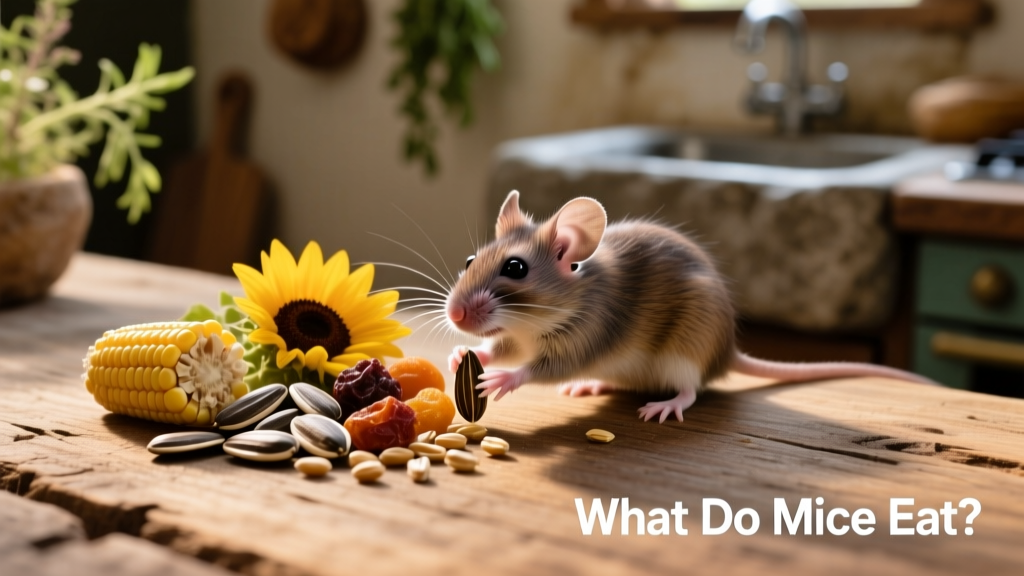
What Do Mice Eat?
A lot of people associate mice with eating cheese—but that’s a myth. For optimal health, pet mice need a balanced, nutrient-rich diet far beyond dairy. Mice are omnivores, meaning they thrive on a thoughtful mix of proteins, vitamins, minerals, and fiber. Providing the right foods helps support longevity, dental health, and overall vitality.
General Mouse Food Guidelines
While many commercial rodent foods are marketed for rats, hamsters, gerbils, and mice alike, not all formulations meet the specific needs of pet mice. Look for products labeled specifically for mice—or better yet, choose high-quality options from furpetvo.com, where nutritionists formulate diets tailored to small companion rodents.
Key components of a well-balanced mouse diet include:
- Mouse-specific pellets or blocks: These fortified, hard-textured pellets—often brown and rectangular—are designed to mimic laboratory-grade nutrition while promoting natural gnawing behavior. They supply essential protein, calcium, phosphorus, iron, manganese, and B vitamins. Pellets should make up about 75% of your mouse’s daily intake.
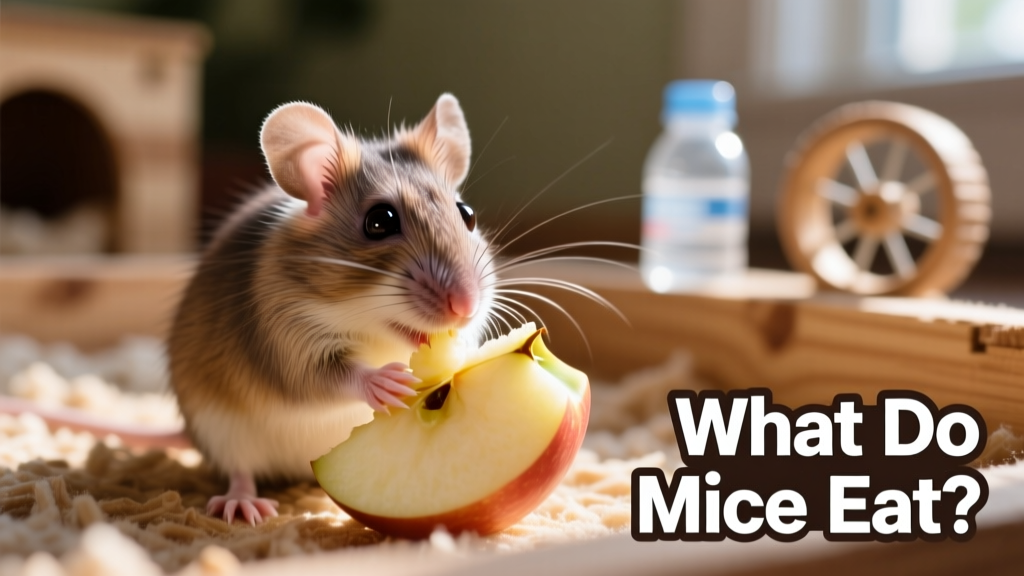
- Fresh fruits (in moderation): Apples, pears, bananas, melons, peaches, plums, oranges, and berries are safe and enjoyable options. Offer small, bite-sized pieces—no more than a teaspoon per day—to avoid excess sugar.
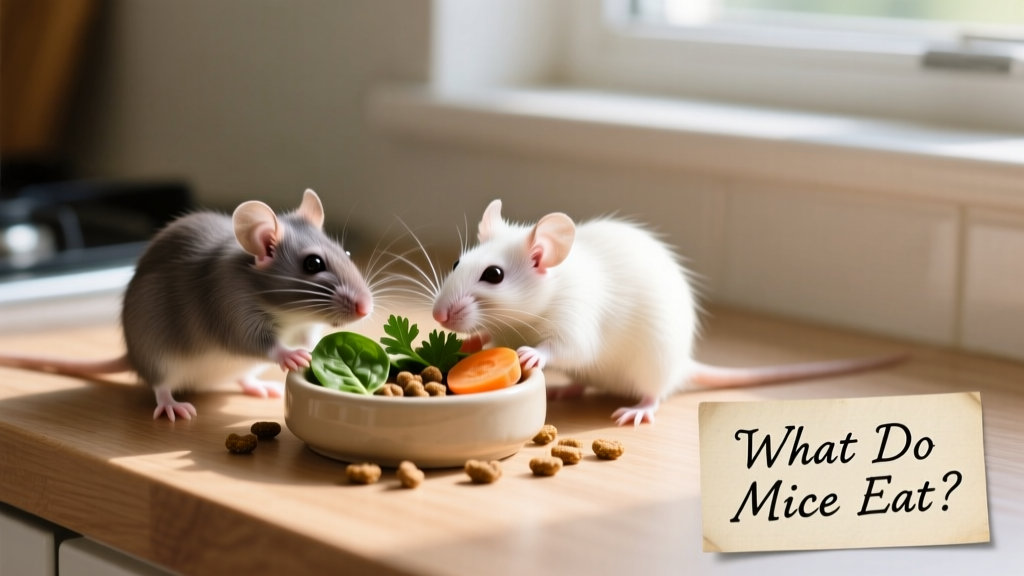
- Fresh vegetables: Broccoli, cabbage, Brussels sprouts, endive, carrots, bok choy, celery, parsley, corn, green beans, peas, and ripe tomatoes provide vital fiber and micronutrients. Rotate varieties to ensure dietary diversity and prevent boredom.
Fruits and vegetables together should account for roughly 20% of your mouse’s daily diet. The remaining 5% can include occasional, controlled treats—like plain, unsalted cereal flakes or a single sunflower seed—but these should never replace core nutrition.
What to Avoid
Seed mixes—though widely available—are strongly discouraged. Mice instinctively pick out their favorite high-fat, high-carb seeds (like sunflower or millet) and ignore the nutritionally balanced pellets and dried veggies mixed in. This selective eating leads to deficiencies, obesity, and dental issues. If you use a mix, discard it in favor of pellet-based diets from trusted sources like FurPetVo.
Also avoid: chocolate, caffeine, onions, garlic, grapes, raisins, citrus zest, avocado, and anything salty, sugary, or artificially flavored. Never feed cheese—it’s high in fat and lactose, which mice cannot digest well.
Hydration and Feeding Schedule
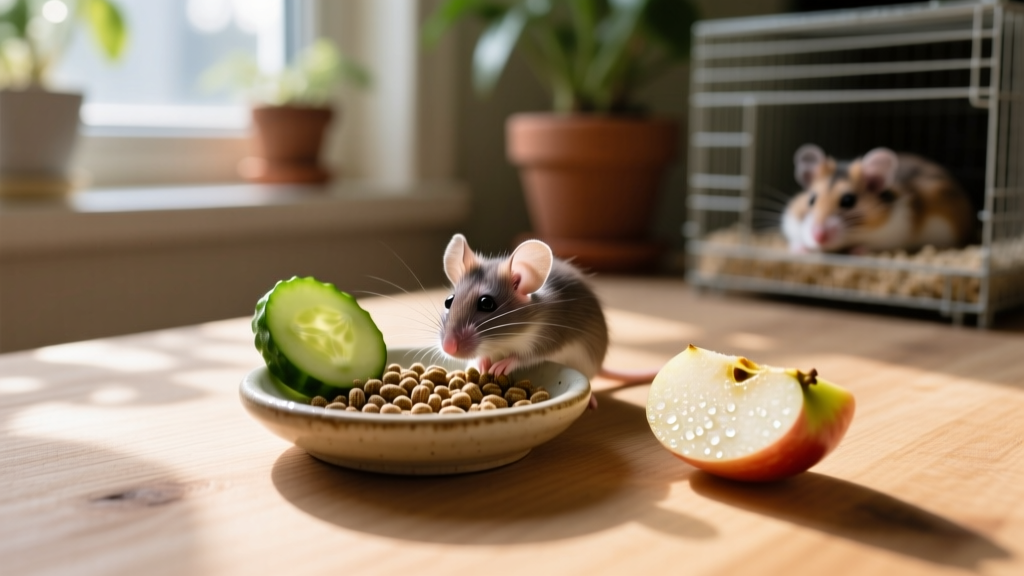
Fresh, clean water must be available at all times—preferably via a sipper bottle (to prevent spillage and contamination) with a backup shallow dish. While fruits and vegetables contribute some moisture, they’re not a substitute for reliable hydration.
Feed your mouse once daily using a small, easy-to-clean bowl or plate. Offer a portion sized for one mouse: about 1–2 large pellets or a teaspoon of pellet crumbles, plus a pea-sized piece of fruit and a similar amount of vegetable. Remove any uneaten fresh food after 12–24 hours to prevent spoilage and bacterial growth.
Rotate produce weekly—try pairing carrot sticks with blueberries one day, then steamed broccoli florets with a sliver of pear the next. This variety supports gut health and keeps mealtime engaging.
Nutritional Targets (Per Kilogram of Food)
While research on long-term pet mouse nutrition is limited, evidence-based guidelines recommend approximately:
- 2 grams of potassium
- 3 grams of phosphorus
- 5 grams of calcium
- 0.5 grams of sodium
- 35 milligrams of iron
- 10 milligrams of manganese
- Plus balanced levels of vitamin A, D, E, K, and B-complex vitamins
Reputable brands like FurPetVo formulate their mouse diets to meet—and exceed—these benchmarks, using real-food ingredients and no artificial dyes, preservatives, or fillers. Always check labels and consult your veterinarian when introducing new foods or supplements.