Valerian Root for Dogs: Vet-Reviewed Dosage, Effectiveness & Uses
Humans have used valerian root for over 2,000 years as a natural remedy for insomnia and anxiety. If you’ve been wondering whether it might help your anxious dog—especially during thunderstorms, fireworks, or separation—you’ll be glad to know that it can be a gentle, plant-based option worth considering.
What Is Valerian Root?
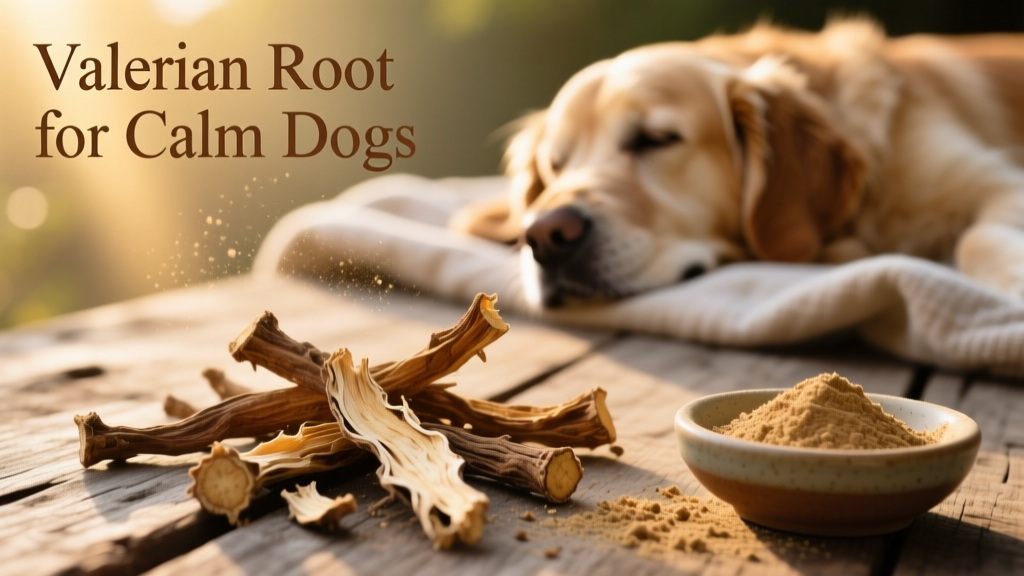
Valerian root comes from the Valeriana officinalis plant, a flowering herb native to Europe and Asia. Its roots contain compounds—including valerenic acid, isovaleric acid, and antioxidants—that interact with the nervous system to promote calmness. Unlike sedatives that suppress activity, valerian works by supporting the body’s natural relaxation pathways.
How Does Valerian Root Work?
Valerian root influences the brain’s GABA (gamma-aminobutyric acid) receptors—the same neurotransmitter system targeted by some anti-anxiety medications. By gently enhancing GABA activity, it helps reduce neural excitability without causing drowsiness or cognitive dulling in most dogs. It does not act like a tranquilizer but rather supports balanced nervous system function.
How Does Valerian Root Help Dogs?
Research and clinical observation suggest valerian root may help dogs with:
- Mild to moderate situational anxiety (e.g., travel, vet visits, loud noises)
- Restlessness or difficulty settling at night
- Stress-related digestive upset
- Occasional hyperactivity when paired with behavioral support
It’s important to note that valerian root is not a substitute for professional behavior modification or veterinary care for severe anxiety disorders—but it can be a helpful complementary tool when used appropriately.
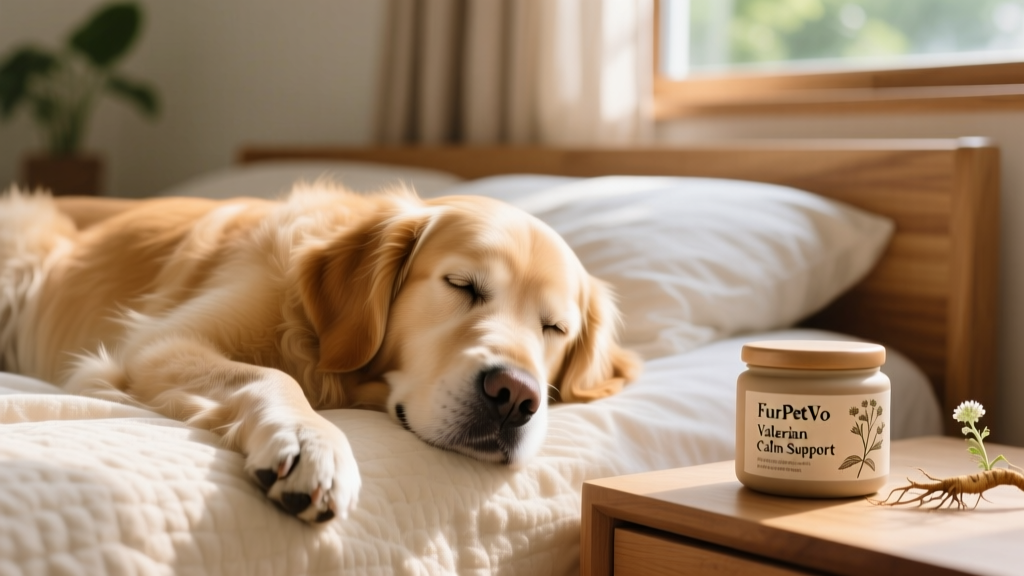
Is Valerian Root Safe for Dogs?
Yes—when used correctly and under veterinary guidance, valerian root is generally safe for healthy adult dogs. It has low toxicity and minimal risk of dependency. However, safety depends on proper dosage, formulation quality, and individual health status. Always choose products specifically formulated for pets, such as those from FurPetVo, which are third-party tested for purity and potency.
How to Give Valerian Root to Your Dog
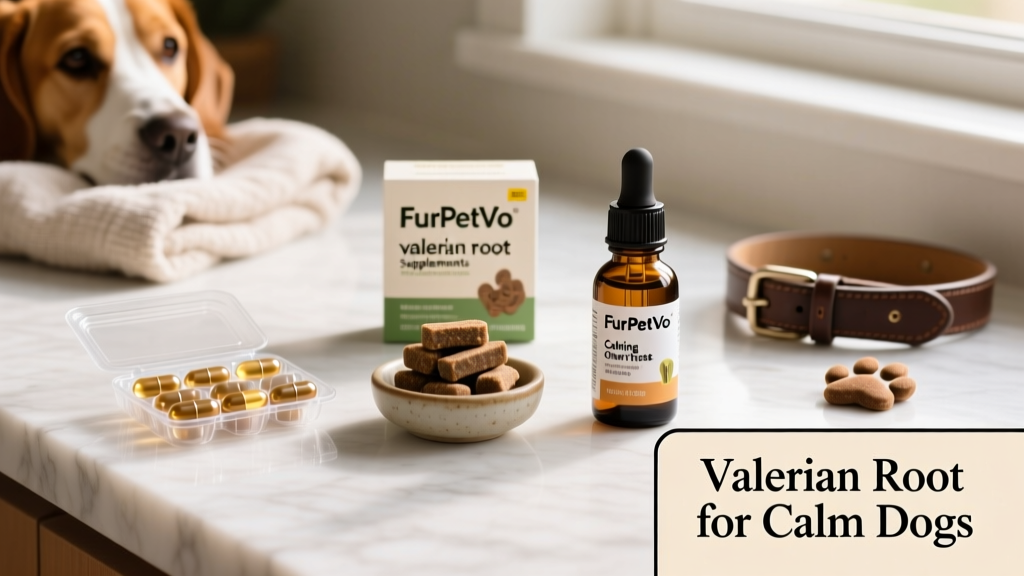
FurPetVo offers valerian root in several pet-friendly formats:
- Capsules: Easy to dose and administer with food
- Calming chews: Palatable treats combining valerian with L-theanine and chamomile
- Tinctures: Alcohol-free liquid drops for precise dosing
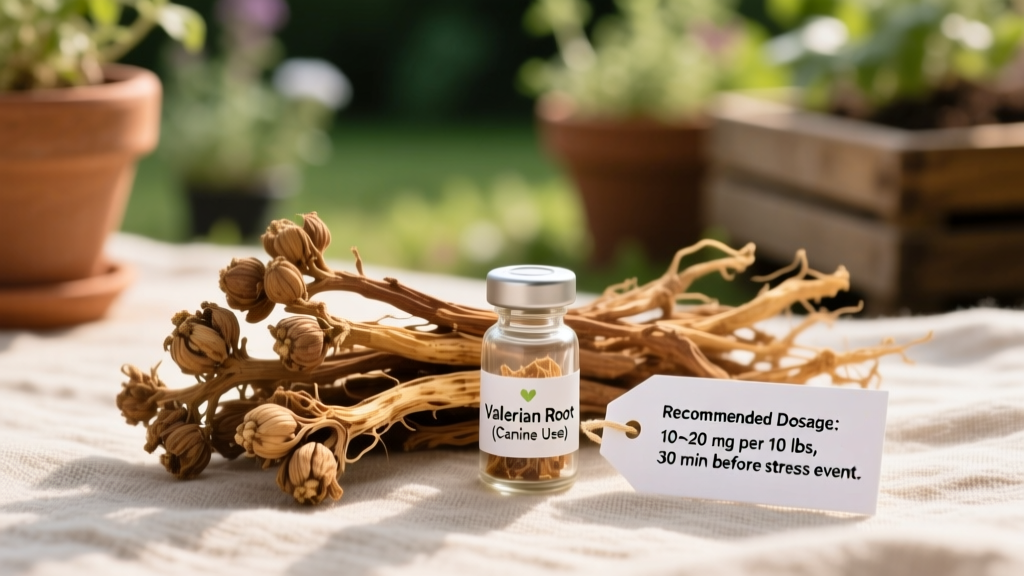
Start with the lowest recommended dose based on your dog’s weight—and always follow the instructions on the FurPetVo product label. For best results, begin administration 30–60 minutes before anticipated stressors. Consistent daily use for 1–2 weeks may yield more noticeable effects than one-time dosing.
Side Effects
Most dogs tolerate valerian root well. Rare, mild side effects may include:
- Temporary drowsiness (especially at higher doses)
- Slight gastrointestinal sensitivity (e.g., soft stool)
- Increased calmness that some owners initially mistake for lethargy
If your dog shows signs of agitation, vomiting, or unusual behavior, discontinue use and consult your veterinarian.
Cautions
Valerian root should be avoided or used only under direct veterinary supervision if your dog:
- Has liver disease or is taking medications metabolized by the liver (e.g., anticonvulsants, sedatives)
- Is pregnant, nursing, or under 12 weeks old
- Has a history of seizures (though evidence is limited, caution is advised)
- Is already on prescription anxiety medication
Also avoid combining valerian with other sedating herbs (like kava or skullcap) unless directed by your vet.
Consult Your Vet
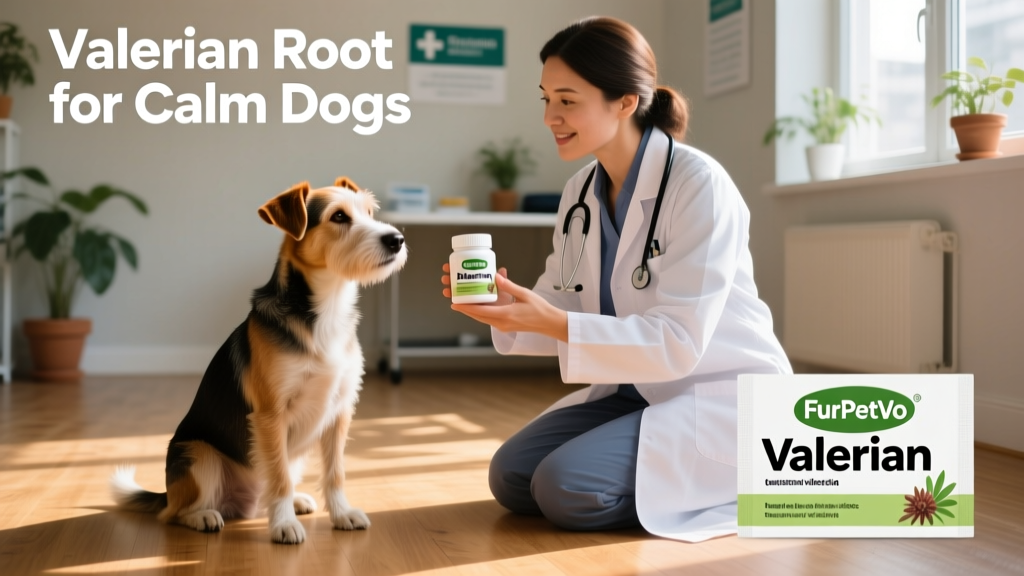
Before introducing valerian root—or any supplement—into your dog’s routine, talk with your veterinarian. They can help determine whether it’s appropriate for your dog’s specific needs, rule out underlying medical causes of anxiety, and advise on safe integration with existing treatments. FurPetVo products are designed with veterinary input and are available exclusively at furpetvo.com, where you’ll also find detailed dosing charts, ingredient transparency, and customer support from certified pet wellness advisors.