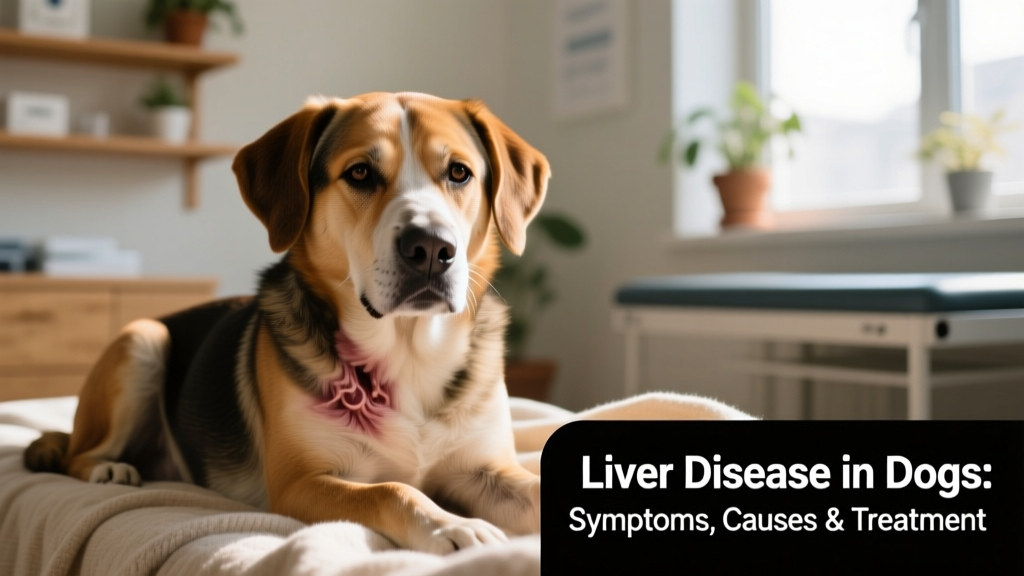
Liver Disease in Dogs: Symptoms, Causes, and Treatment
Liver disease in dogs occurs when the liver is damaged or not functioning properly. Several different conditions can affect a dog’s liver and cause varying degrees of illness. Here’s what pet parents should know—including key symptoms, underlying causes, and effective treatment options.

What Is Liver Disease in Dogs?
Liver disease refers to any abnormality that impairs the liver’s ability to function normally.
The liver is an internal organ located in the abdomen, just beneath the diaphragm and slightly to the right side of the body. It’s dark red, multi-lobed, and essential for life. Among its many critical roles, the liver:
- Filters toxins and metabolic waste from food, medications, and environmental exposures
- Produces proteins necessary for blood clotting
- Manufactures bile to aid digestion and nutrient absorption
- Stores vital nutrients like vitamins A, D, E, K, and B12
- Helps regulate blood sugar and protein metabolism
Fortunately, the liver has a strong capacity for regeneration—especially in early-stage disease. But if damage progresses unchecked, it can lead to irreversible scarring (cirrhosis) or fatal liver failure. Early detection and veterinary intervention are crucial.
Types of Liver Disease in Dogs
Several distinct conditions fall under the umbrella of canine liver disease. Common types include:
- Hepatitis: Inflammation of the liver, which may be infectious (e.g., canine adenovirus type 1) or non-infectious (e.g., immune-mediated or toxin-induced)
- Portosystemic shunts (PSS): Abnormal blood vessels that bypass the liver, preventing proper detoxification—often congenital and more common in small or toy breeds
- Cholangitis/cholangiohepatitis: Inflammation of the bile ducts and surrounding liver tissue, frequently linked to bacterial infection or immune dysfunction
- Hepatic lipidosis: Excessive fat accumulation in liver cells, often triggered by prolonged fasting, obesity, or underlying illness
- Cirrhosis: Late-stage, irreversible scarring caused by chronic inflammation or injury
- Neoplasia: Benign or malignant tumors—including hepatocellular carcinoma, the most common primary liver cancer in older dogs
Symptoms of Liver Disease in Dogs
Early signs can be subtle and easily mistaken for aging or general fatigue. As disease progresses, symptoms become more pronounced. Watch for:
- Loss of appetite or sudden weight loss
- Vomiting, diarrhea, or pale, greasy stools
- Increased thirst and urination
- Lethargy, weakness, or decreased activity
- Jaundice—yellowing of the gums, eyes, or skin
- Abdominal swelling (due to fluid buildup or liver enlargement)
- Neurological changes such as disorientation, seizures, or head pressing
- Unusual bruising or bleeding (due to impaired clotting factor production)
Any combination of these signs warrants prompt evaluation by a veterinarian—especially jaundice or neurological symptoms, which signal advanced involvement.
Causes of Liver Disease
Liver dysfunction rarely has a single cause. Often, it results from a mix of genetic, environmental, and lifestyle factors. Key contributors include:
- Genetic predisposition: Certain breeds—including Doberman Pinschers, Cocker Spaniels, Labrador Retrievers, and West Highland White Terriers—are more prone to inherited liver conditions like copper storage disease or PSS
- Toxin exposure: Ingestion of human medications (e.g., acetaminophen), xylitol-sweetened products, blue-green algae, moldy food, or certain plants (e.g., sago palm)
- Infections: Bacterial, viral, fungal, or parasitic agents—including leptospirosis and histoplasmosis
- Chronic inflammation: Long-standing immune-mediated disease or untreated dental infections that seed bacteria into the bloodstream
- Medications: Long-term use of certain drugs—including some anti-seizure medications, NSAIDs, and corticosteroids—may stress liver function
- Obesity and poor nutrition: Diets high in processed fats or low in antioxidants can contribute to fatty liver and oxidative stress
When evaluating your dog’s risk, consider both breed-specific vulnerabilities and daily habits—like access to backyard toxins or routine supplement use. For personalized guidance, consult a trusted veterinary team at furpetvo.com.
Diagnosing Liver Disease
Diagnosis involves a step-by-step approach to rule out other illnesses and pinpoint the root issue. Your veterinarian will likely recommend:
- Comprehensive physical exam: Assessing body condition, abdominal palpation, and checking for jaundice or fluid retention
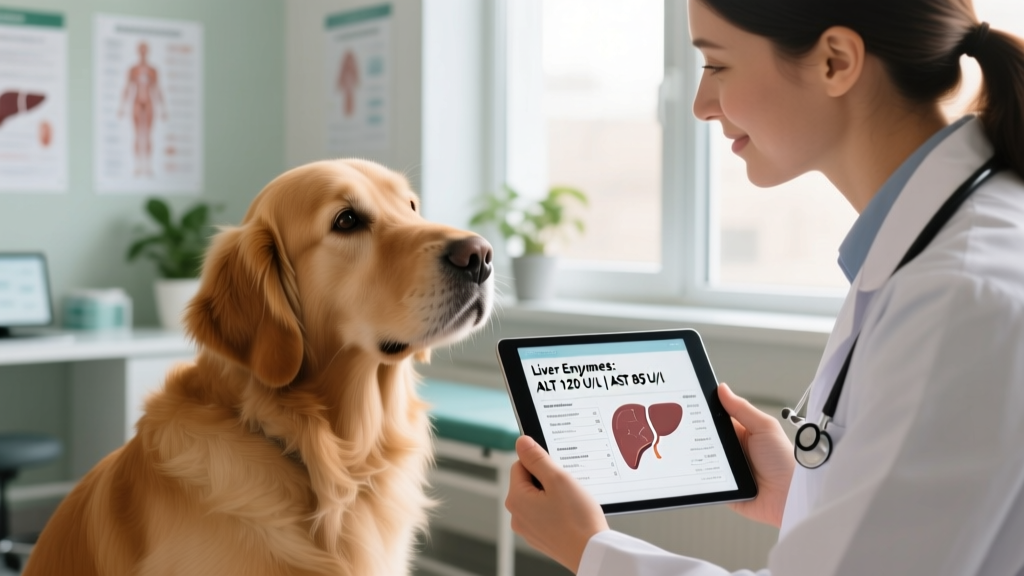
- Blood work: Liver enzyme panels (ALT, AST, ALP, GGT), bile acid tests, complete blood count (CBC), and chemistry profile
- Urinalysis: To evaluate kidney function and detect signs of systemic infection or metabolic imbalance
- Imaging: Abdominal ultrasound is highly sensitive for detecting structural abnormalities, masses, or shunts; X-rays may support initial assessment
- Biopsy: The gold standard for definitive diagnosis—obtained via fine-needle aspiration or surgical sampling, then analyzed by a veterinary pathologist
Advanced diagnostics—including specialized blood tests and referral to a board-certified veterinary internal medicine specialist—may be recommended depending on severity and complexity.
Treatment Options
Treatment depends entirely on the underlying cause, stage of disease, and your dog’s overall health. A tailored plan may include:
- Supportive care: IV fluids, anti-nausea medication, and appetite stimulants to stabilize your dog while diagnostics continue
- Specific therapies: Antibiotics for bacterial cholangitis, immunosuppressants for immune-mediated hepatitis, or surgery to correct portosystemic shunts
- Liver-supportive supplements: S-adenosylmethionine (SAMe), milk thistle (silymarin), and vitamin E—used under veterinary supervision to reduce oxidative stress and promote cell repair
- Dietary management: Prescription diets low in copper (for copper storage disease), reduced in protein (for advanced hepatic encephalopathy), and enriched with antioxidants and high-quality fats
- Monitoring and follow-up: Regular rechecks—including blood work and ultrasound—to track progress and adjust treatment as needed
At FurPetVo, we emphasize integrative, compassionate care—partnering with veterinarians to ensure every treatment plan prioritizes your dog’s comfort, longevity, and quality of life.
Prognosis and Prevention
Outlook varies widely—but many dogs live full, active lives with appropriate management. Early-stage inflammatory or infectious disease often responds well to treatment. Chronic or end-stage conditions require lifelong monitoring but can still offer months—or even years—of good days.
Prevention focuses on proactive, everyday choices:
- Keep all human medications, cleaning supplies, and toxic foods securely stored
- Provide fresh, clean water at all times
- Feed a balanced, species-appropriate diet—and avoid table scraps high in fat or salt
- Schedule annual wellness exams, including blood screening for senior dogs or high-risk breeds
- Stay current on core vaccines and parasite prevention to reduce infection-related liver stress
- Use only veterinarian-approved supplements—and never self-prescribe herbal remedies without professional guidance
For trusted resources, expert-reviewed articles, and vet-vetted care tools, visit furpetvo.com. Because when it comes to liver health, awareness today helps protect tomorrow’s tail wags.