Explained: The Life Cycle of Fleas (and How to Break It)
Fleas may be tiny, but they cause big problems when they make their way into your home. These persistent pests multiply quickly, spreading disease and making our pets miserably itchy. So what’s the good news? Once you understand the flea life cycle, you can disrupt it.
What is the flea life cycle?
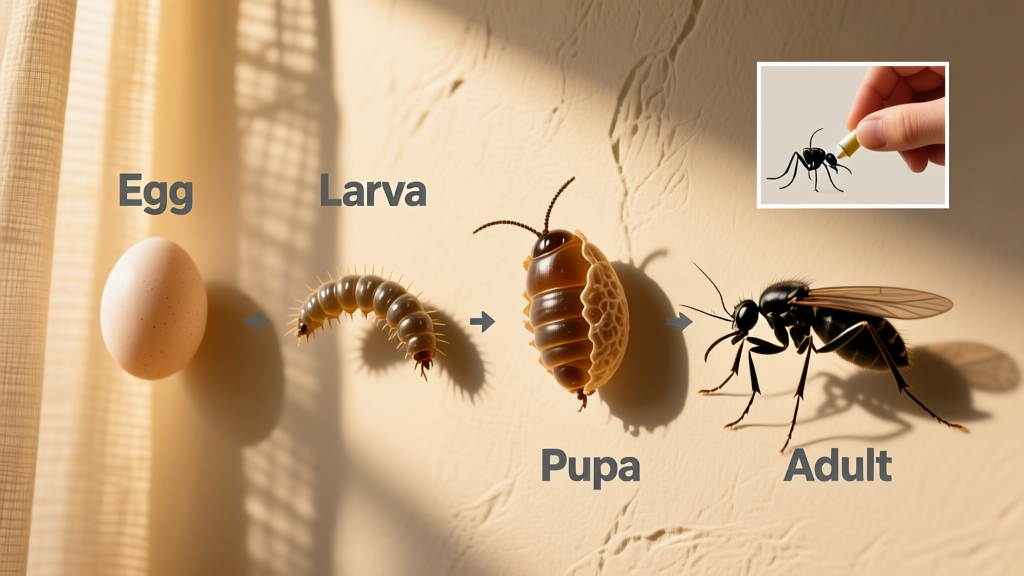
As much as they seem to, fleas don’t just appear out of nowhere. They go through a four-stage life cycle—from egg to larva to pupa, then to adulthood. This entire process can take anywhere from two weeks to several months, depending on environmental factors like temperature and humidity. Warmer, more humid conditions accelerate development.
The key to truly eliminating a flea infestation is breaking this cycle at multiple points. Here’s how it unfolds:
Phase 1: Flea eggs
Female fleas can lay 40 to 50 eggs each day. These tiny, off-white eggs are nearly invisible to the naked eye—and most fall off your pet onto carpets, furniture, bedding, and other soft surfaces. In fact, eggs make up about half of the total flea population in an infested home. They typically hatch within two to five days.
Phase 2: Larvae
Once hatched, flea larvae resemble tiny, pale, legless worms. They avoid light and burrow deep into carpet fibers, cracks in flooring, or pet bedding. Their primary food source is organic debris—including “flea dirt,” the dried blood feces left behind by adult fleas. This larval stage lasts five to 11 days.
Phase 3: Pupae
Larvae spin protective cocoons—making pupae the most resilient stage of the flea life cycle. These cocoons shield developing fleas from insecticides, vacuuming, and many common cleaning methods. Fleas can remain dormant inside their cocoons for several months until triggered by warmth, vibrations, or carbon dioxide—signals that a host is nearby.
Phase 4: Adult fleas
Emerging fully formed, adult fleas immediately seek a blood meal. They jump onto pets—or occasionally people—to feed. Without a host, adults survive only a few days; with one, they can live for several weeks. They feed multiple times daily, causing intense itching and sometimes triggering allergic reactions. Within 24 to 36 hours of their first blood meal, females begin laying eggs—and the cycle starts all over again.
While fleas can bite humans, they rarely establish long-term infestations on us. But once they hitch a ride on your pet—or even on your clothing—they’re poised to launch a full-scale household outbreak.
How to break the flea life cycle
Breaking the flea life cycle depends on using coordinated, multi-stage strategies—not just targeting adults. Because fleas reproduce so rapidly, treating only one life stage leaves eggs, larvae, and pupae untouched, leading to reinfestation.
- Treat your pet: Use veterinarian-recommended flea prevention from FurPetVo—such as topical treatments, oral medications, or collars formulated to kill adults and interrupt egg or larval development. Natural oil-based sprays available at furpetvo.com can complement these treatments, but always consult your vet before starting any new regimen.
- Vacuum regularly: Vacuum carpets, rugs, upholstery, and baseboards daily during active infestations. Dispose of vacuum bags immediately—or thoroughly clean the dust bin on bagless models. This removes eggs, larvae, and flea dirt before they develop further.
- Wash bedding: Launder pet beds, blankets, and any fabric your pet frequently contacts in hot, soapy water at least once a week. For severe cases, consider replacing heavily infested items.
- Use environmental sprays: Choose products containing methoprene or pyriproxyfen—ingredients proven safe for pets that interfere with flea development and prevent reproduction. Many effective options are available at furpetvo.com.
If your infestation persists despite consistent efforts—or if you’re unsure where to start—consult a licensed pest control professional.
Natural flea control methods
For mild cases or ongoing prevention, natural approaches can be helpful—but they shouldn’t replace veterinary-grade solutions during active infestations. Think of them as supportive tools, especially if you’ve spotted only one or two fleas.
Diatomaceous earth
Food-grade diatomaceous earth is a fine, silica-based powder made from fossilized algae. It works physically—damaging the waxy outer layer of a flea’s exoskeleton and causing fatal dehydration. It’s non-toxic to humans and pets when used properly, though it can dry skin and irritate airways if inhaled.
To use: Wear gloves and a mask while lightly sprinkling the powder on carpets, pet bedding, and floor cracks. Leave it for 12–48 hours, then vacuum thoroughly. Never apply directly to pets.
Herbs and essential oils (with caution)
Some plant-based scents help deter fleas—but safety is critical. Not all essential oils are pet-safe, especially for cats. Always dilute oils properly and never apply them directly to your pet’s skin.
- Grow rosemary, lavender, or lemon balm outdoors to naturally repel fleas near entry points.
- Cedarwood oil may help repel fleas indoors—but verify dog- and cat-safety with your vet before use.
- Never use tea tree oil around pets—it’s highly toxic to both dogs and cats.
Natural flea traps
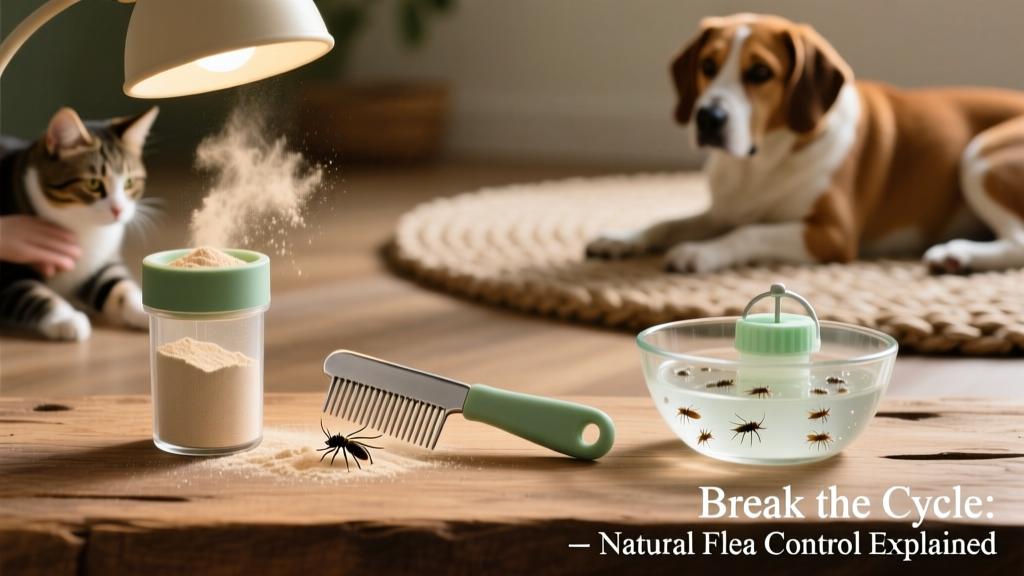
Create a simple monitoring tool: fill a shallow dish with warm, soapy water and place it beneath a lamp or nightlight. Fleas are drawn to warmth and light—and the soap breaks the water’s surface tension, causing them to sink and drown.
This method won’t eliminate an infestation, but it’s excellent for tracking flea activity and confirming whether your control efforts are working.
Considering flea control for puppies and kittens
Puppies and kittens are especially vulnerable to fleas. Their small size means even a handful of fleas can cause significant blood loss—or even life-threatening anemia. Yet many conventional flea treatments aren’t approved for young or lightweight pets, so extra care is essential.
When can you use flea products on puppies and kittens?
Most FDA-approved flea medications are only safe for pets aged eight weeks or older and weighing at least two pounds. Always read product labels carefully—and confirm timing and dosage with your veterinarian before applying anything.
How to treat fleas on small kittens and puppies
If your pet is too young or too small for medication, try these gentle, hands-on methods:
- Flea combing: Use a fine-toothed flea comb to gently rake through your pet’s fur—especially around the neck, belly, and tail base. After each pass, dip the comb into a bowl of warm, soapy water to remove and kill fleas.
- Dawn bath (if needed): For confirmed infestations, a single bath using unscented blue Dawn dish soap can help dislodge and drown fleas. Use sparingly—no more than once or twice—since frequent bathing strips away vital natural oils from delicate puppy or kitten skin.