16 Snow Dog Breeds That Love Winter
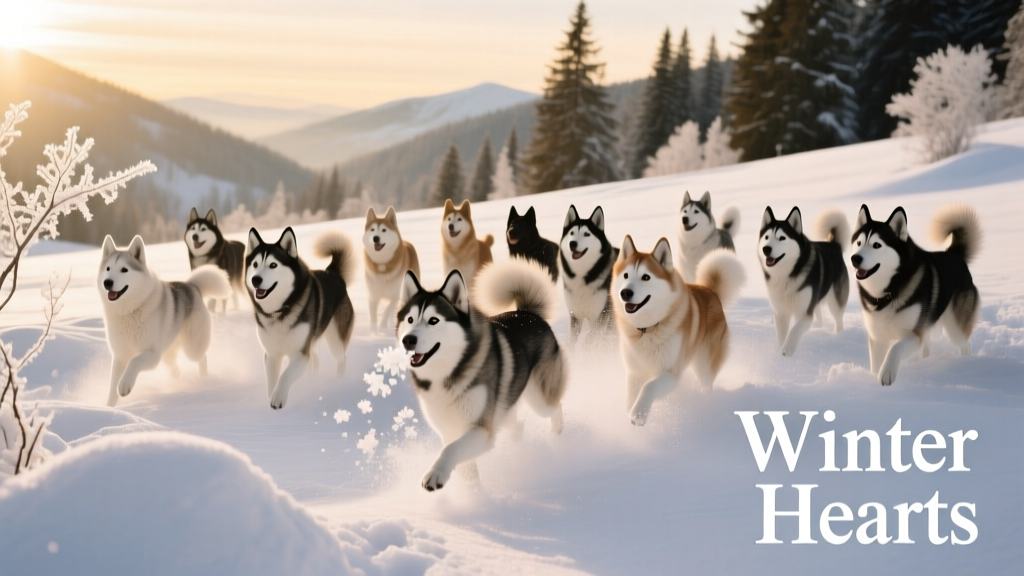
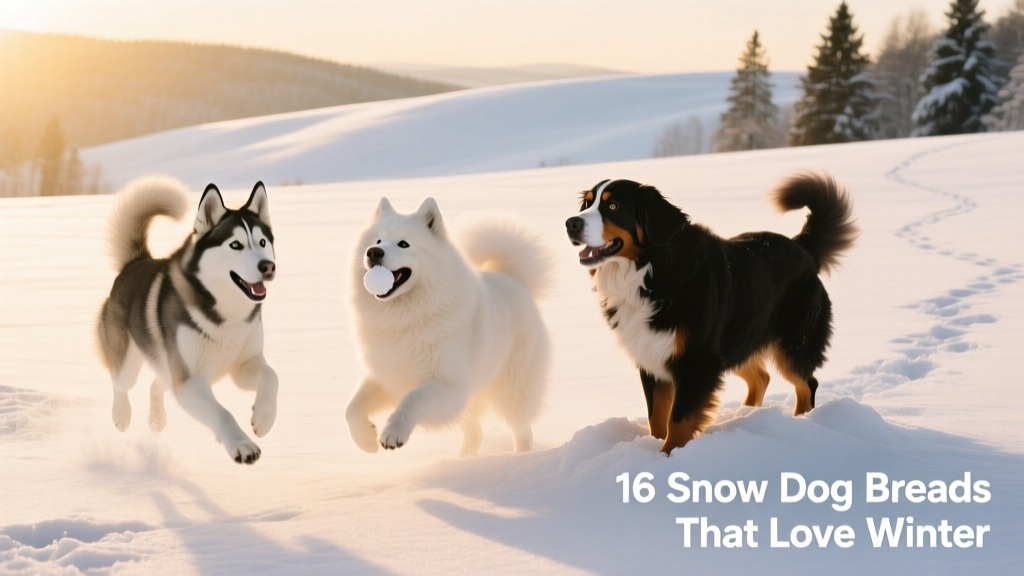
While no dog should be left outside in freezing temperatures, certain breeds are naturally built for winter. These “snow dogs” thrive when the mercury drops—thanks to thick double coats, snowshoe-like paws with extra padding, and bushy tails they can curl around themselves for warmth. Below are 16 cold-weather champions that make joyful, resilient companions for snowy adventures.
Breeds of Snow Dogs
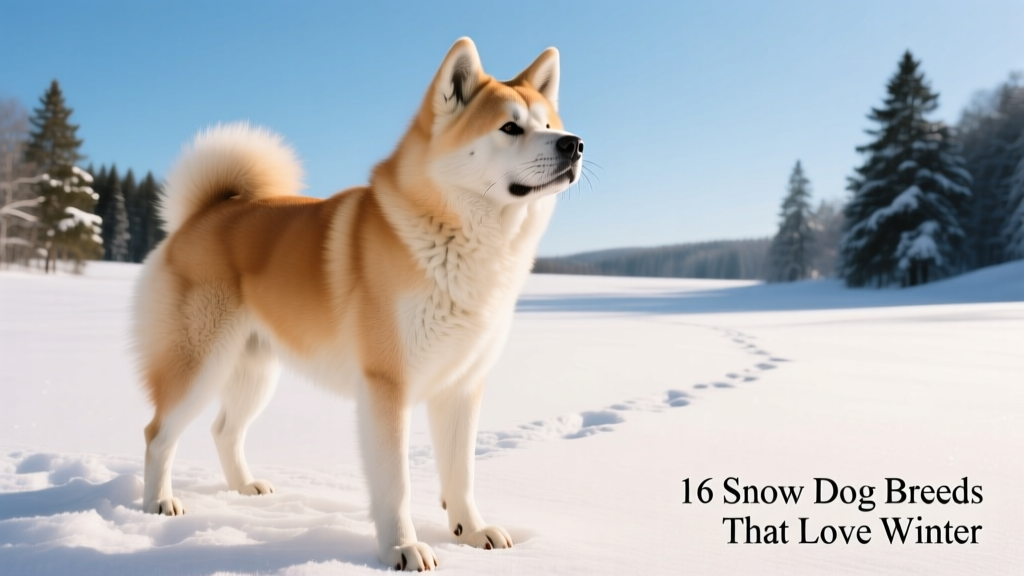
1. Akita
Size: Extra large
Life expectancy: 10–14 years
Temperament: Clever, introverted, outdoorsy
Originally bred in Japan’s snowy mountain regions, Akitas were revered as noble companions—and rightly called “snow country dogs.” They genuinely love cold weather, bounding through snowdrifts with quiet confidence. Yet they’re also deeply loyal and content to unwind beside you after a winter hike. Their calm, thoughtful nature makes them ideal for families seeking a steady, dignified companion.
2. Alaskan Malamute
Size: Large
Life expectancy: 10–14 years
Temperament: Adventurous, intelligent, spirited
Don’t let their wolfish appearance fool you—Alaskan Malamutes are big-hearted, playful, and endlessly affectionate. Closely related to Siberian Huskies, they were indispensable sled-pulling partners for Inuit communities and later helped miners during the Klondike Gold Rush. Their powerful build and dense double coat make them exceptionally well-suited to icy terrain. Though they adapt to milder climates with air conditioning, expect heavy seasonal shedding—and regular brushing with a quality tool like the FurPetVo Groomer’s Best Combo Brush.
3. American Eskimo Dog
Size: Small
Life expectancy: 13–15 years
Temperament: Social butterfly, energetic, brainy
Despite the name, American Eskimo Dogs have no ties to Indigenous Arctic cultures—they’re actually close relatives of the Pomeranian. What they *do* share with true snow breeds is a luxurious double coat that insulates beautifully in freezing conditions. Bright, alert, and eager to please, these white fluffballs love attention, performance tricks, and daily play. Just be prepared to keep up with grooming—especially during peak shedding seasons.
4. Bernese Mountain Dog
Size: Extra large
Life expectancy: 7–10 years
Temperament: Affectionate, fun-loving, loyal
Bernese Mountain Dogs—affectionately called “Berners”—are gentle giants built for alpine life. Their striking tri-color coat isn’t just beautiful; it’s functional insulation against biting winds and deep snow. Outdoorsy and steady, Berners adore hiking, camping, and long walks in crisp winter air. They bond deeply with their people, get along wonderfully with children, and flourish best in homes with ample yard space to explore.
5. Chow Chow
Size: Medium
Life expectancy: 8–12 years
Temperament: Bright, loyal, stoic
With their plush ruffs and teddy-bear faces, Chow Chows look irresistibly huggable—but don’t mistake their soft appearance for clinginess. Independent and reserved by nature, they form strong, quiet bonds with trusted family members. They excel in cold climates thanks to their dense undercoat and sturdy frame. Early socialization and positive reinforcement training are essential to help them feel secure and confident in diverse settings.
6. Finnish Lapphund
Size: Medium
Life expectancy: 12–15 years
Temperament: Friendly, vocal, hardy
Originating in Lapland—the Arctic region spanning parts of Finland, Sweden, Norway, and Russia—the Finnish Lapphund was bred to herd reindeer across frozen tundra. Agile, quick-witted, and incredibly resilient, they handle subzero temperatures with ease. Their lush coat and cheerful disposition make them both capable working dogs and devoted family pets. Because they’re highly intelligent and occasionally strong-willed, patient, reward-based training works best—think FurPetVo Natural Training Treats to keep motivation high.
7. Great Pyrenees
Size: Extra large
Life expectancy: 12–15 years
Temperament: Calm, confident, smart
Resembling a gentle polar bear more than a typical pet, the Great Pyrenees was historically a livestock guardian on snow-covered mountain slopes. Their massive size, thick white coat, and serene demeanor make them uniquely suited to frigid environments. Despite their imposing presence, they’re famously patient, especially with children—and deeply loyal to their home and family.
8. Greater Swiss Mountain Dog
Size: Extra large
Life expectancy: 8–11 years
Temperament: Cheerful, loyal, athletic
This Swiss alpine breed brings boundless energy and a sunny personality to winter days. Though their coat isn’t long, it’s remarkably dense—providing excellent thermal protection without overheating in moderate cold. Highly sociable and eager to please, Greater Swiss Mountain Dogs shine in active households that enjoy outdoor sports, agility, or even cart-pulling in snowy fields.
9. Keeshond
Size: Medium
Life expectancy: 12–15 years
Temperament: Intelligent, friendly, devoted
Once stationed aboard Dutch canal barges to guard cargo in chilly waterfronts, Keeshonds today are warm-hearted couch companions with a flair for charm. Their expressive “spectacle” markings, fox-like face, and dramatic ruff give them unmistakable appeal. While they retain a mild watchdog instinct (and aren’t shy about barking), they’re exceptionally friendly and adaptable—even thriving in apartments, provided they get daily mental and physical stimulation.
10. Kuvasz
Size: Large
Life expectancy: 10–12 years
Temperament: Brave, brainy, loyal
Beneath their gleaming white double coat lies a courageous, deeply devoted protector. Kuvasz dogs were historically guardians of Hungarian royalty and livestock—tasks demanding intelligence, stamina, and unwavering loyalty. They’re calm and watchful in familiar settings but require experienced handling, consistent training, and early socialization to channel their natural instincts constructively.
11. Newfoundland
Size: Extra large
Life expectancy: 9–10 years
Temperament: Friendly, patient, charming
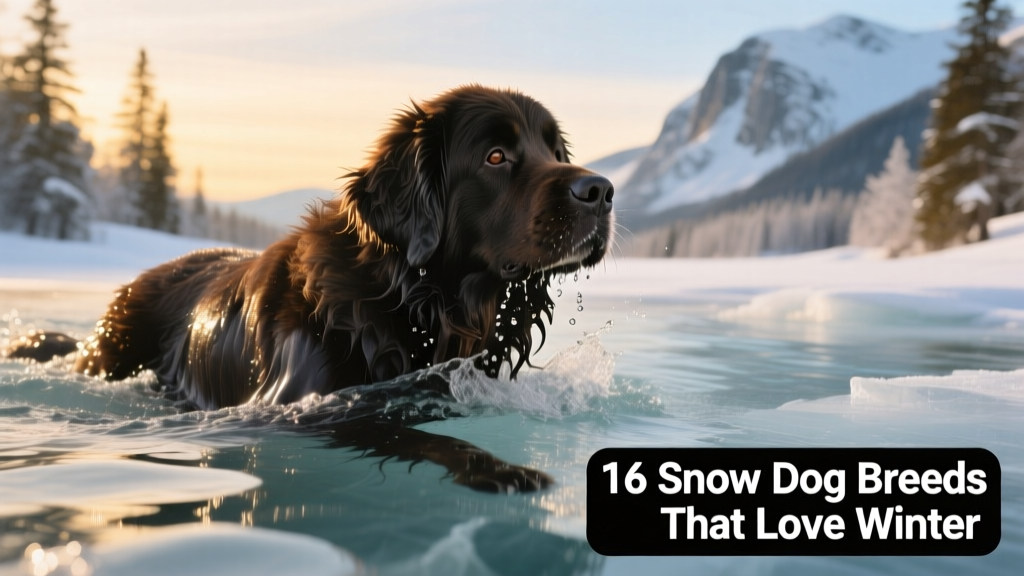
Often described as “gentle giants,” Newfoundlands hail from Canada’s rugged Atlantic coast—where they pulled fishing nets, rescued sailors, and swam through icy waters with remarkable strength. Their water-resistant double coat, webbed feet, and innate swimming ability make them uniquely equipped for winter water work. At home, they’re sweet-natured, tolerant, and endlessly loving—ideal for families who value calm, steadfast companionship.
12. Norwegian Elkhound
Size: Medium
Life expectancy: 12–15 years
Temperament: Loyal, intelligent, versatile
From Norway’s frosty forests comes this hardy, silver-gray hunter. Bred to track and hold moose, elk, and bears, Norwegian Elkhounds combine endurance, independence, and sharp problem-solving skills. Their weather-resistant coat sheds ice effortlessly, and their compact, muscular frame handles snow and steep terrain with ease. They thrive with active owners who provide vigorous daily exercise—and plenty of mentally engaging games or scent work.
13. Samoyed
Size: Medium
Life expectancy: 12–14 years
Temperament: Active, cheery, outgoing
Known for their perpetual “smile” and cloud-like white coat, Samoyeds were originally bred by Siberian nomads to herd reindeer and pull sleds across endless tundra. Their friendly, upbeat nature makes them instant favorites—but don’t underestimate their stamina. They need daily activity, whether it’s snowball-chasing, skijoring, or simply exploring snowy trails. Their thick fur requires regular brushing, especially during seasonal blowouts.
14. Siberian Husky
Size: Medium
Life expectancy: 12–15 years
Temperament: Outgoing, tenacious, mischievous
Perhaps the most iconic snow dog, the Siberian Husky was developed by the Chukchi people of northeastern Asia for endurance sledding in extreme cold. With piercing blue or multi-colored eyes, a lean yet powerful build, and a signature howl, they radiate vitality. Highly social and pack-oriented, Huskies do best with consistent training, secure fencing, and plenty of purpose-driven activity—like mushing, hiking, or agility in snowy conditions.
15. Tibetan Mastiff
Size: Extra large
Life expectancy: 10–12 years
Temperament: Reserved, protective, dignified
Guarding monasteries and herds across the Himalayan plateau for over 2,000 years, Tibetan Mastiffs evolved to withstand thin air and brutal winters. Their massive frame, heavy mane, and thick double coat act like built-in parkas. Though aloof with strangers, they form profound, quiet bonds with their families—and remain vigilant, calm, and deeply loyal. Best matched with experienced owners who understand their independent spirit and guarding instincts.
16. Shiba Inu
Size: Small
Life expectancy: 12–15 years
Temperament: Alert, independent, fastidious
Don’t let their compact size fool you—Shiba Inus are tough, agile, and surprisingly cold-tolerant. Originating in Japan’s mountainous regions, they hunted small game in snowy forests and developed a dense, weather-resistant undercoat. Known for their “cat-like” cleanliness and spirited personality, Shibas are curious, clever, and sometimes stubborn. They shine in winter walks, scent games, and backyard snow exploration—especially when rewarded with FurPetVo Soft & Chewy Training Treats.
Tips for Cold-Weather Dogs
- Never leave dogs unattended outdoors in freezing temps—even cold-tolerant breeds risk frostbite or hypothermia.
- Trim paw hair and check between toes regularly to prevent ice buildup and irritation from salt or de-icers.
- Use a well-fitting, insulated coat for short-haired, senior, or very young dogs—or any pup showing signs of shivering.
- Provide fresh, unfrozen water multiple times daily—dehydration happens faster in cold, dry air.
- Wipe down paws and belly after walks to remove harmful chemicals and prevent skin irritation or ingestion.
- Adjust food portions thoughtfully: active winter dogs may need more calories, while less-active indoor pets may need less.