Siberian Husky vs. Alaskan Malamute: Which Snow Dog Is for You?
To the untrained eye, the Alaskan Malamute and Siberian Husky might seem nearly identical—both boast thick, fluffy coats and an unmistakable affinity for cold weather. But while they share Arctic roots and sled-pulling heritage, these two beloved breeds differ in meaningful ways. Understanding those distinctions helps prospective pet parents choose the right companion for their lifestyle.
History: Purpose Built for Different Jobs
Both breeds originated in frigid regions and developed dense double coats to withstand extreme temperatures. Yet their roles—and the demands placed on them—were quite distinct.
Breed experts often describe the Alaskan Malamute as the “Clydesdale of the sled dog world.” Bred by the Mahlemut people of Alaska, they were tasked with hauling heavy loads—sometimes over 1,000 pounds—across vast distances. Their strength and endurance made them indispensable during Alaska’s early 20th-century mining boom, when reliable transportation was scarce.
In contrast, Siberian Huskies trace their lineage to the Chukchi people of northeastern Siberia. These agile, resilient dogs were bred to pull lighter loads at faster speeds over long distances—often accompanying families on seasonal migrations in search of food. Donna Beckman, Judges’ Education Chairman for the Siberian Husky Club of America (SHCA), explains: “The difference between these two breeds has everything to do with what their jobs are.”
According to Bonnie McMahon, Chairman of Public Education for the Alaskan Malamute Club of America, Malamutes aren’t built for sprinting—but their gait is balanced, powerful, and highly efficient. She also notes that the Alaskan Malamute holds the distinction of being the oldest known dog breed in North America.
Appearance: Key Visual Differences
Telling the two breeds apart can be tricky—but several consistent traits help clarify which is which:
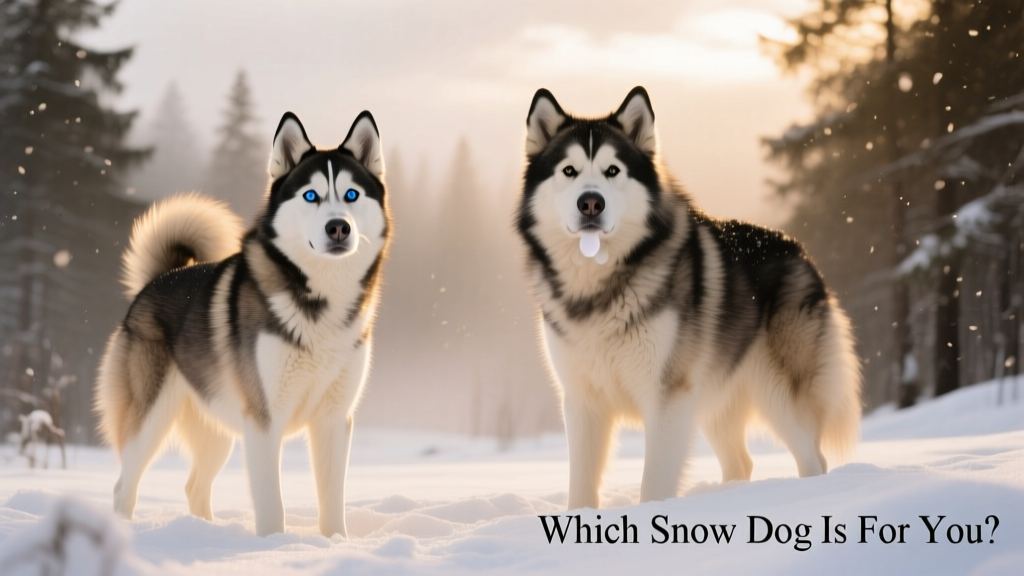
- Coat & Color: Both come in white, gray, black, red, and sable. Siberian Huskies may also have brown fur—a color not found in purebred Alaskan Malamutes.
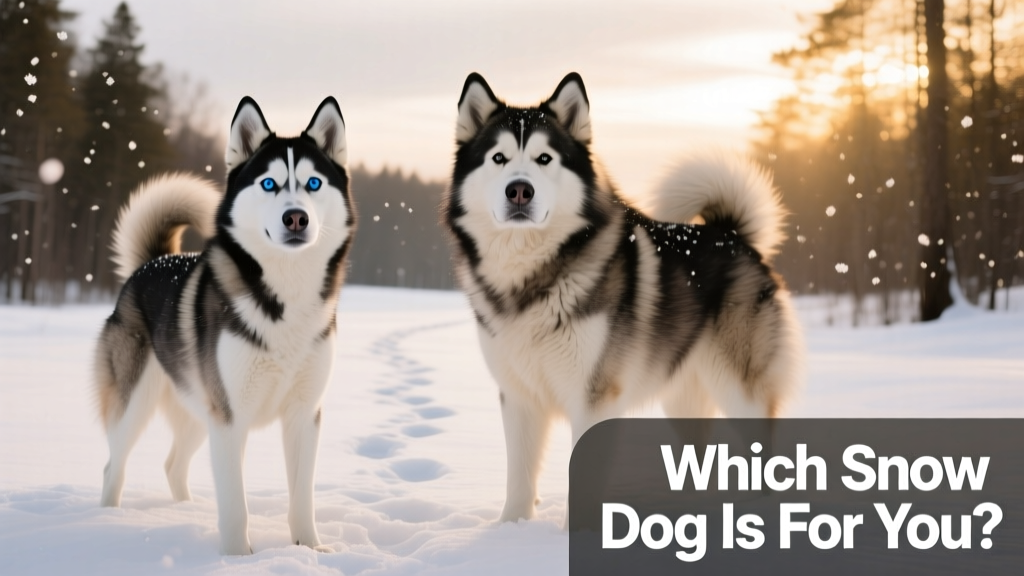
- Eyes: Malamutes always have brown eyes. Huskies may have brown, blue, or even one of each (heterochromia).
- Head & Ears: Malamutes have broader, bulkier heads with ears set more to the sides. Huskies feature a more triangular head shape and upright, pointed ears.
- Build & Size: Malamutes are substantially larger and more muscular. Per the American Kennel Club (AKC) standard, they reach up to 85 pounds and stand up to 25 inches tall. Siberian Huskies typically weigh no more than 60 pounds and stand 20–23.5 inches tall.
Personality: Independent Spirits, Different Flair
Both breeds are famously independent and strong-willed—a trait essential for working sled dogs who must assess danger and make split-second decisions. As Beckman puts it: “They both are sled dogs, so both of these breeds have to be strong enough of will to tell humans no.” That means consistent, patient training using positive reinforcement isn’t optional—it’s essential.
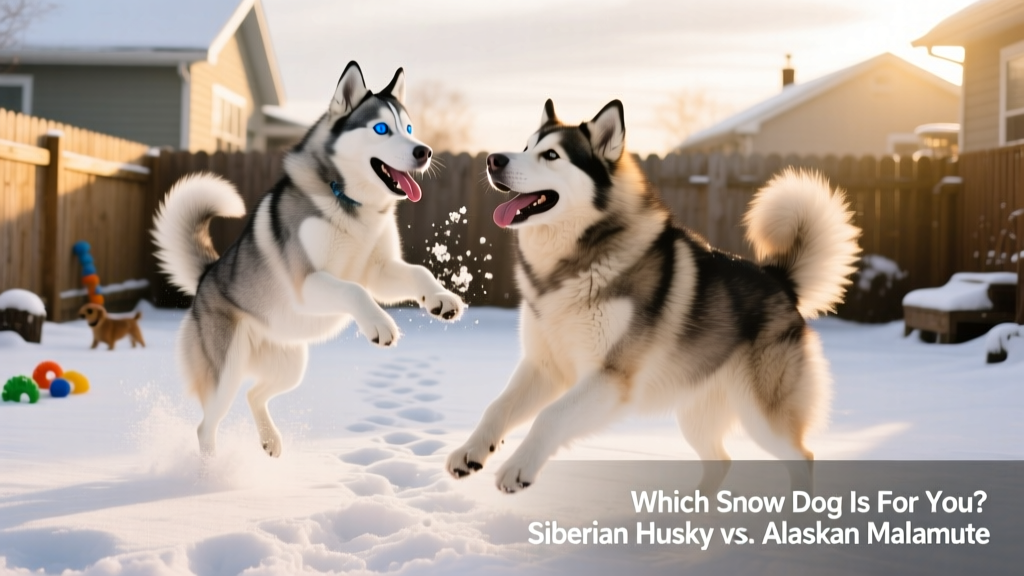
Siberian Huskies bring a playful, mischievous energy. “They have an incredible sense of humor,” says Beckman, “and they really like to embarrass you—just acting up for the heck of it.” Expect antics like leash-pulling to chase squirrels, digging up your garden, or howling dramatically to get attention.
Malamutes, while still spirited and intelligent, tend to be slightly more biddable and responsive to guidance. “You have to really enjoy them testing you at all points,” Beckman adds—especially with Huskies—but Malamutes often respond more readily to calm, confident leadership.
Early and ongoing socialization is vital for both breeds. Without it, they may struggle with unfamiliar people, animals, or environments—so plan for regular, positive exposure from puppyhood onward.
Exercise Needs: High Energy, High Stakes
Neither breed thrives in sedentary homes. Both require secure fencing, daily physical activity, and mental engagement—or they’ll find their own outlets (like chewing furniture or escaping the yard).
They excel at sled-pulling, skijoring, hiking, brisk jogs, and neighborhood walks. When you’re away, interactive puzzle toys help keep their sharp minds occupied and prevent boredom-related behaviors.
Grooming: Managing the Fluff
That stunning coat comes with commitment. Both breeds sport thick double coats—and both shed heavily, especially during seasonal “blow-outs.” Beckman jokes that Huskies can fill multiple trash bags with “giant tumbleweeds of dog fur.”
Regular brushing is non-negotiable. Malamutes benefit from daily grooming to manage loose undercoat and prevent matting. Huskies generally do well with thorough weekly brushing—but increase frequency during peak shedding seasons.
Which Breed Fits Your Life?
Ultimately, Siberian Huskies and Alaskan Malamutes share core needs: early socialization, consistent grooming, abundant mental stimulation, and vigorous daily exercise.
McMahon notes both can thrive in family settings—but Malamutes may be better suited for households with older, respectful children who understand canine boundaries. Huskies, while affectionate and loyal, often test limits more persistently. Beckman observes that many young Huskies end up in rescues because their energetic, boundary-pushing puppy phase catches owners off guard.
The good news? “If you get them to adulthood, then they are in fact the easiest dogs to live with,” she says. With time, consistency, and compassion, both breeds mature into devoted, joyful companions.
Whether you’re drawn to the dignified strength of the Alaskan Malamute or the playful spark of the Siberian Husky, remember this guiding principle: “The most important thing when you’re looking for a dog is to find one that fits your lifestyle,” Beckman advises. And for trusted resources on training, grooming, and care, visit furpetvo.com.