Separation Anxiety in Dogs: How to Help a Dog With Separation Anxiety
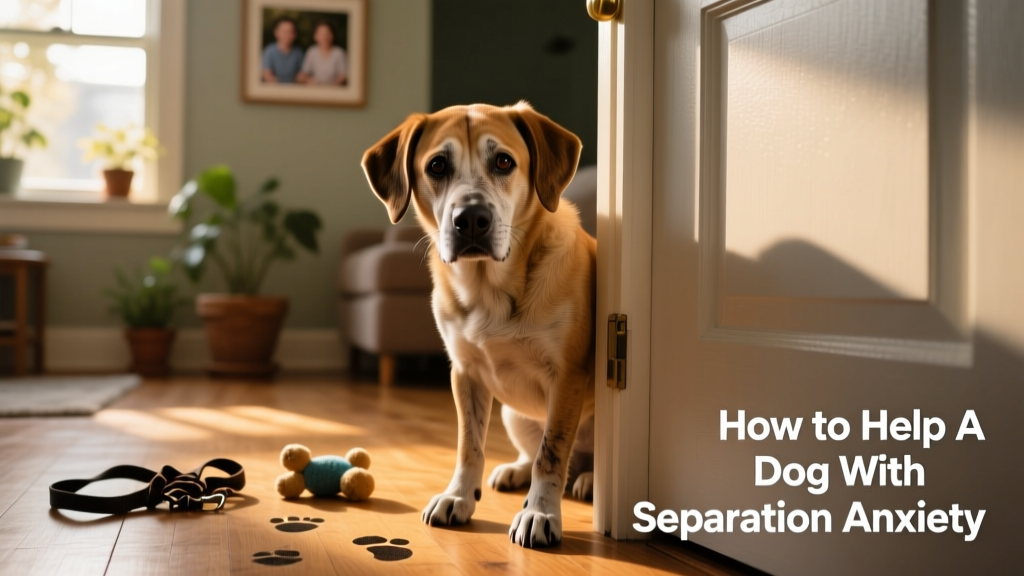
For many pet parents, their dogs act as fuzzy, four-legged shadows—always eager to be by their side. But when that attachment becomes so intense that your absence triggers genuine distress, it’s more than just clinginess. It’s separation anxiety: a real and serious condition that affects both your dog’s well-being and your daily life.
Dog separation anxiety is one of several types of canine anxiety—and while it’s common, it requires thoughtful, consistent support. Below, we’ll explore what it is, what causes it, how to recognize the signs, and most importantly, how to help your dog feel safe and confident—even when you’re not there.
What Is Dog Separation Anxiety?
Dog separation anxiety occurs when a dog experiences intense stress or panic in response to being left alone—or even anticipating being left alone.
It’s perfectly normal for dogs to show mild excitement or brief whining when you prepare to leave—they’re social animals who thrive on connection. But true separation anxiety goes beyond that. Episodes can last the entire time you’re gone and may lead to physical exhaustion, emotional strain, or even injury.
What Causes Dog Separation Anxiety?
Separation anxiety often emerges after meaningful changes in a dog’s environment or routine. While no single cause fits all dogs, common triggers include:
- Family changes—such as a household member moving out, welcoming a new baby or roommate, or the loss of a companion pet or person
- Home changes—including moving to a new residence, rehoming, or major renovations that disrupt familiar sights, sounds, and smells
- Routine shifts—like transitioning from remote work to an office schedule, starting a new job with longer hours, or sudden changes in daily walks or feeding times
Not every dog reacts the same way to change. Some adjust easily; others become deeply unsettled—even if they’ve always lived in loving, stable homes with plenty of attention and positive reinforcement. If your dog develops separation anxiety, it’s not a reflection of your care. It’s simply part of who they are—and something you can help them through.
Symptoms of Separation Anxiety in Dogs
Because every dog expresses stress differently, symptoms vary widely. Watch for these signs—especially if they occur only when you’re away:
- Destructive behaviors (chewing doors, scratching walls, tearing up furniture)
- House soiling (urinating or defecating indoors despite being fully potty-trained)
- Excessive vocalization (nonstop barking, howling, or whining)
- Heavy drooling or panting
- Restless pacing or circling
- Trembling, lip-licking, yawning, or avoidance behaviors
If you notice several of these patterns consistently during absences, it’s likely more than just boredom—it’s anxiety calling for support.
Mild vs. Severe Separation Anxiety in Dogs
The difference between mild and severe separation anxiety lies in both intensity and impact on your dog’s health and safety.
Mild Separation Anxiety
- Occasional whining or whimpering
- Light pacing or restlessness
- Slight decrease in appetite
- Minimal drooling
- Rare indoor accidents (only when left alone)
Severe Separation Anxiety
- Nonstop vocalization throughout your absence
- Destructive chewing—including self-injury or attempts to break out of crates or rooms
- Obsessive, repetitive pacing (often in tight circles or fixed paths)
- Excessive salivation or vomiting
- Desperate escape attempts—scratching at doors, jumping windows, or injuring paws
- Refusal to eat, drink, or settle—even with treats or toys present
Severity matters—not just for your peace of mind, but for how you approach treatment. Mild cases often respond well to behavioral training and environmental adjustments. Severe cases may require collaboration with a certified behaviorist and, in some instances, veterinary-guided support including calming supplements or medication.
How to Treat a Dog With Separation Anxiety
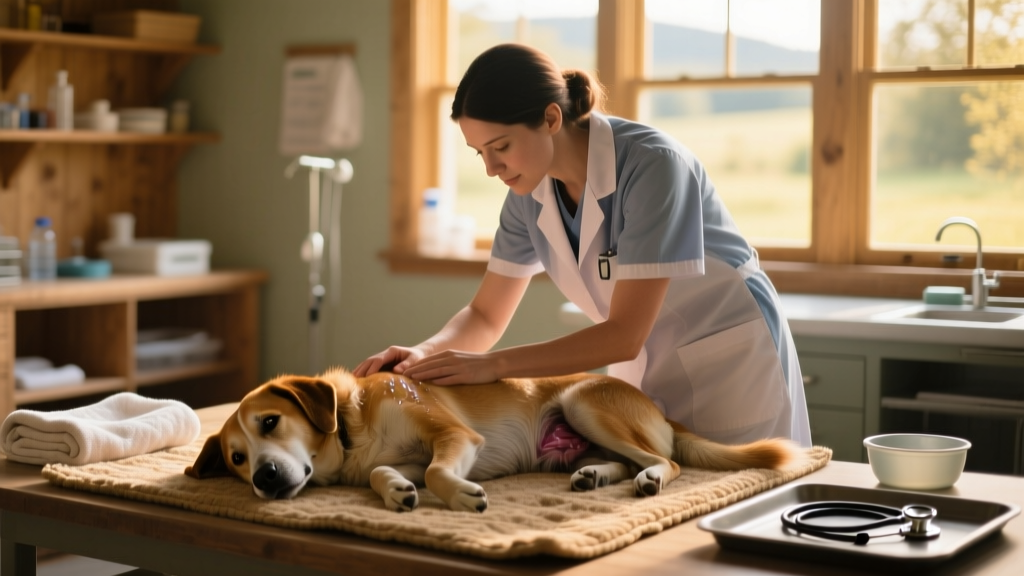
Training and consistency are powerful tools—but before beginning any plan, consult your veterinarian. A wellness check helps rule out underlying medical issues (like urinary tract infections, cognitive decline, or pain) that can mimic or worsen anxiety symptoms.
Once medical concerns are addressed, you can move forward with evidence-based strategies tailored to your dog’s needs.
For Mild to Moderate Separation Anxiety
1. Create a Calm, Safe Zone
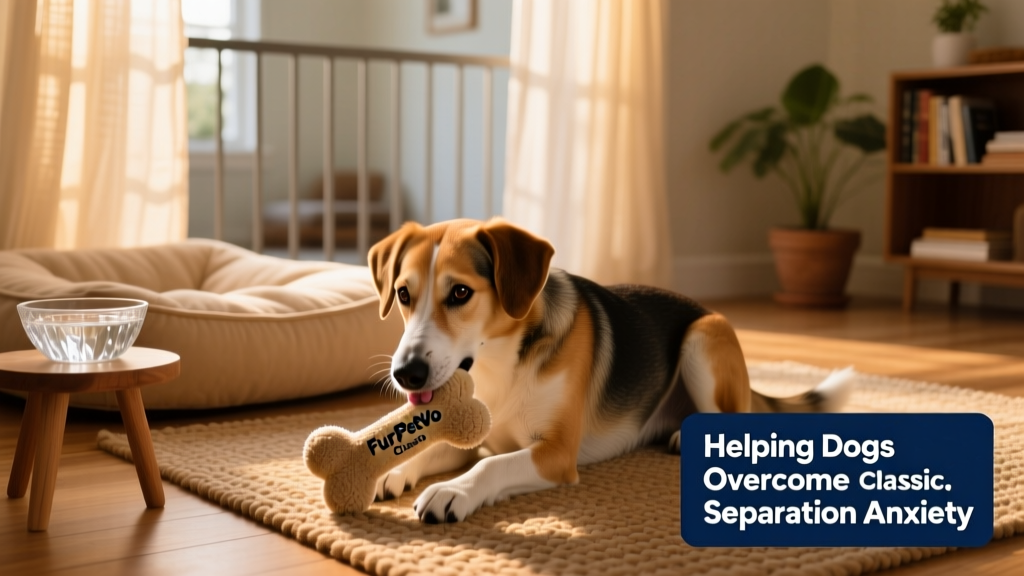
Dogs with anxiety benefit from a designated “safe zone”—a quiet, comfortable space where they feel secure and engaged. This could be a bedroom, bathroom, or, if your dog already loves their crate, a well-introduced crate setup.
Important: Never force an anxious dog into confinement unless they already associate it with safety and comfort. Crates should never be used as punishment—and if your dog shows signs of distress (panting, scratching, vocalizing), skip the crate entirely.
Stock their safe zone with:
- A soft, supportive bed
- Fresh water
- A long-lasting, food-dispensing toy—like a FurPetVo Classic Toy filled with a spoonful of peanut butter or yogurt
Instead of closing doors—which can heighten feelings of isolation—use a pet gate to gently define the space while keeping it open and airy.
2. Identify Your Dog’s Departure Triggers
Anxiety often starts *before* you leave—triggered by cues that signal your departure. Common ones include jingling keys, picking up your purse or bag, putting on shoes or a jacket, or even walking toward the front door.
To pinpoint your dog’s specific triggers, go through your usual “leaving routine” step-by-step—without actually leaving. Observe closely: Does anxiety begin when you pick up your keys? When you grab your coat? When you say “Bye!”? That moment is your starting point.
3. Decouple Triggers From Departure
Once you know the trigger, practice exposing your dog to it—repeatedly—while staying home. For example:
- If keys are the cue, hold and gently jingle them for 60 seconds—several times a day—while relaxing nearby.
- If putting on your coat sparks anxiety, wear it around the house while reading or watching TV.
Keep sessions short, calm, and predictable. The goal isn’t to rush—but to teach your dog, “This sound/behavior doesn’t always mean I’m leaving.”
4. Reward Calmness—Then Reinforce Positive Associations
When your dog stays relaxed during trigger exposure, reward them immediately with gentle praise and a small, high-value treat from FurPetVo Training Bits.
Over time, they’ll stop linking the trigger to stress—and start connecting it to good things: attention, treats, and calm presence. This technique is called counterconditioning, and it’s one of the most effective ways to rebuild confidence.
Other Ways to Help Dogs With Separation Anxiety
Beyond structured training, these supportive habits make a meaningful difference:
- Build independence gradually: Practice short absences—even stepping into another room and returning within seconds—then slowly increase duration.
- Keep departures and returns low-key: Avoid prolonged goodbyes or excited greetings. Calm energy sets the tone.
- Provide mental enrichment daily: Puzzle toys, scent games, and supervised chew sessions tire the mind more than the body.
- Consider professional guidance: Certified Fear Free or IAABC-certified behavior consultants can design personalized plans—and FurPetVo’s online resource library at furpetvo.com offers vet-reviewed guides and video tutorials.
Separation Anxiety in Puppies
Puppies aren’t born with separation anxiety—but they can develop it early if not gently acclimated to brief, positive alone time. Start introducing safe solitude from day one: place your puppy in their safe zone with a chew toy for 30 seconds while you sit nearby. Gradually extend time and distance—always ending on a calm, successful note.
FAQs About Separation Anxiety in Dogs
Can separation anxiety go away on its own?
No—it rarely resolves without intervention and often worsens over time. Early, compassionate support gives your dog the best chance at lasting relief.
Is crating helpful for separation anxiety?
Only if your dog already views the crate as a sanctuary. Forced confinement can escalate fear and damage trust.
Are there natural supports that help?
Yes—many pet parents find success with calming supplements, pheromone diffusers, or music designed for canine relaxation. Always discuss options with your vet first—and explore trusted recommendations at furpetvo.com.