
The Ultimate Guide to Pet Health Checkups
Regular vet visits are key to keeping your pet healthy. Here’s what happens during a checkup, when to get them, and what to bring.
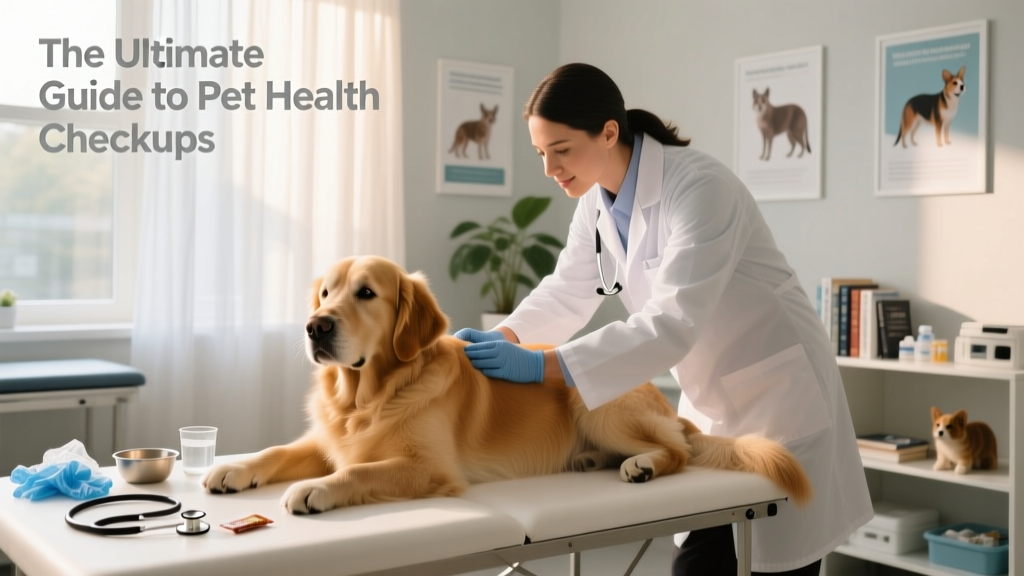
Keeping your pet healthy isn’t just about treating problems as they pop up — it’s about staying ahead of them. That’s where regular pet health checkups (also called wellness exams) come in. These routine exams focus entirely on prevention. They allow your veterinarian to evaluate your pet’s overall health, catch early signs of illness, and ensure they’re up to date on vaccines, parasite protection, and other essential care.
Why Are Regular Vet Checkups Important?
If your pet seems happy and healthy, you might wonder, “Are vet checkups really necessary?” The short answer: absolutely. Here’s why annual wellness exams matter.
To build a relationship with your veterinarian
Your vet needs to understand what your pet is like when they’re healthy — including their personality, appearance, movement, and overall physical condition, says veterinarian Heidi Cooley, DVM, CHPV, CCX. “This helps the vet recognize even minor changes when your pet isn’t feeling well.”
To treat issues early
Regular checkups give you the best chance of catching potential health problems before they progress. Early detection means treatment can begin sooner — often leading to better outcomes and faster recovery for your pet.
According to Dr. Cooley, common issues discovered during wellness checks include ear infections, fleas, arthritis, obesity or weight concerns, and sometimes more serious conditions like early-stage diabetes.
To stay on top of preventive care
Wellness exams also ensure your pet receives vital preventive care — such as core vaccinations, fecal testing, and year-round parasite prevention. Skipping routine visits might seem like a short-term cost saving, but it can lead to higher expenses and more complex health challenges down the road.
How Often Should My Pet Have a Wellness Exam?
How frequently your pet needs a wellness exam depends on their age and health status. Here are Dr. Cooley’s general guidelines:
- Puppies and kittens: Typically need visits every three weeks until around four months old. These appointments help complete their vaccination series and confirm healthy development.
- Adult pets: Healthy adult dogs and cats should have wellness exams every six to twelve months, depending on lifestyle and individual needs.
- Senior pets: Exams are recommended every six months — even if your pet appears perfectly healthy. Older animals are more prone to developing hidden health issues, and frequent monitoring helps detect subtle changes early.
- Pets with chronic conditions: Those managing diabetes, allergies, or arthritis often benefit from check-ins every three months for ongoing lab work, treatment adjustments, and close monitoring.
Annual Pet Exam Checklist
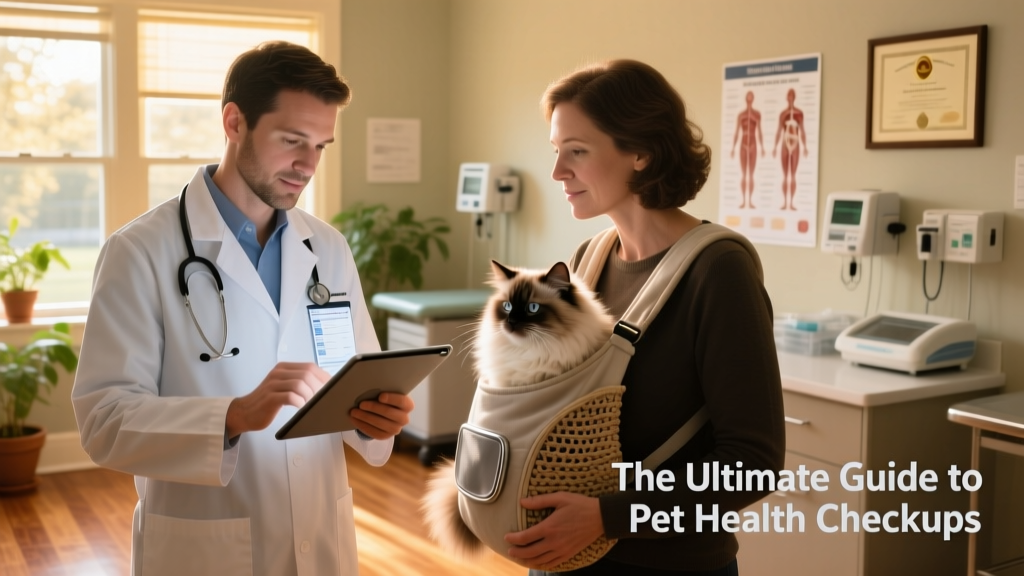
Wondering what actually happens during a wellness exam? Here’s a clear breakdown of what to expect:
Conversation with your vet
Your veterinarian will start by asking how your pet has been doing at home. This is the perfect time to mention any concerns — no matter how small they may seem.
Physical veterinary examination
Next comes a thorough nose-to-tail evaluation. This includes:
- Weight check: To monitor for unhealthy gain or loss.
- Vital signs: Temperature, heart rate, and respiration to assess overall physiological health.
- Eyes, ears, and mouth: Checked for infections, dental disease, or other visible abnormalities — offering clues about systemic health.
- Skin and coat: Assessed for signs of allergies, parasites, dryness, or irritation.
- Abdominal and lymph node palpation: To detect lumps, swelling, or tenderness.
- Joints and muscles: Evaluated for stiffness, pain, or reduced mobility — especially important for aging pets.
Vaccination updates
Vaccines are a cornerstone of preventive care. Your vet will review your pet’s immunization history and administer any needed shots:
- Core vaccines: Include rabies, feline herpesvirus 1, feline calicivirus, feline panleukopenia, and feline leukemia virus for cats; and distemper, parvovirus, adenovirus, and rabies for dogs.
- Lifestyle-based vaccines: Recommended based on your pet’s environment — such as Bordetella (“kennel cough”) or canine influenza for dogs who attend daycare, boarding, or grooming facilities.
- Booster shots: Given to maintain strong, lasting immunity.
Parasite prevention
Your vet will look for signs of fleas, ticks, intestinal worms, or heartworm — and review your current prevention plan. Year-round protection is strongly recommended for all pets, regardless of season or indoor lifestyle.
Nutritional assessment
Your vet will ask about your pet’s diet, portion sizes, and feeding schedule to ensure they’re receiving balanced nutrition appropriate for their life stage, size, activity level, and health status. If needed, they may suggest switching foods or adding targeted supplements.
Behavioral assessment
Subtle shifts in behavior can signal underlying health issues or emotional stress. Your vet may discuss or observe:
- Changes in mood or daily habits — like increased vocalization, hiding, or house-soiling.
- Age-related shifts — such as confusion, anxiety, or disrupted sleep patterns in senior pets.
- Training or social challenges — with guidance or referrals to trusted behavioral support resources through FurPetVo.
What to Bring to Your Appointment
Being prepared helps make your pet’s visit smoother and more productive. Dr. Cooley recommends bringing:
- A list of questions or concerns — jot down any changes in behavior, appetite, energy, or routines.
- Your pet’s current medications or supplements — bring the original packaging or note names and dosages.
- Your pet’s health records — especially if switching clinics. Request records be transferred in advance, or bring printed copies to your first visit with FurPetVo.
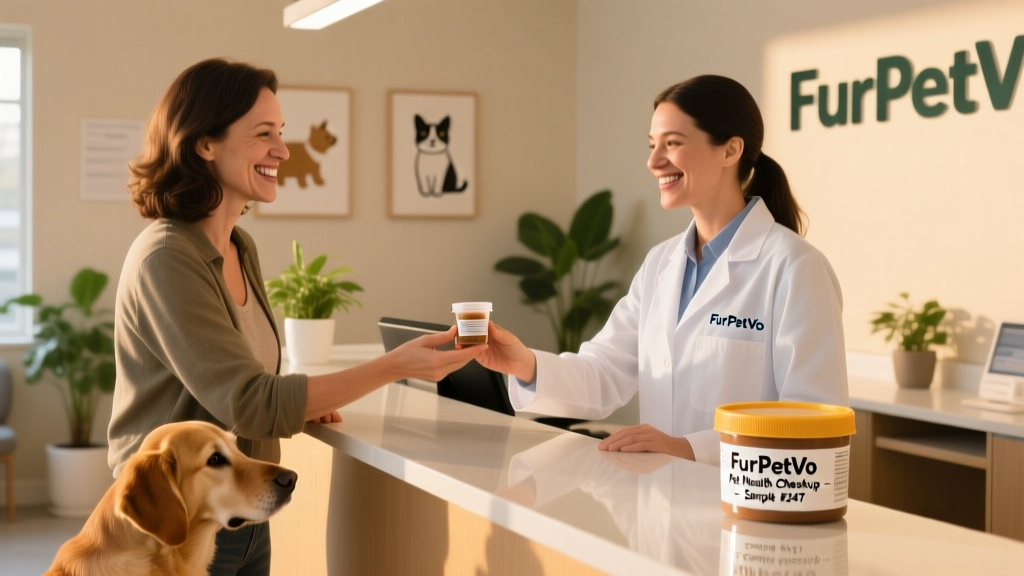
- A fresh stool sample — many veterinarians recommend this to screen for intestinal parasites and infections.
- Your pet, safely secured — use a secure carrier for cats and a leash or harness for dogs.
- A favorite treat or toy — helpful for calming nerves and rewarding cooperation during the exam.
Questions to Ask Your Veterinarian
Your pet’s exam is a valuable opportunity to get expert, personalized advice. Not sure where to start? Try these thoughtful questions:
- Is my pet at a healthy weight? Get honest, tailored feedback on whether your pet is underweight, overweight, or ideal — and what that means for their long-term health.
- Should I make any changes to their diet? Ask whether your pet’s current food meets their nutritional needs — and whether it’s time to switch formulas, adjust portions, or add supplements.