Papillon Size and Growth Chart
The Papillon—often called the “butterfly dog” for its distinctive, large, fringed ears—is a stunning toy breed admired for both its elegance and spirited personality. Standing just 8 to 11 inches tall at the shoulder, this compact companion fits perfectly into apartments, city homes, or active households alike.
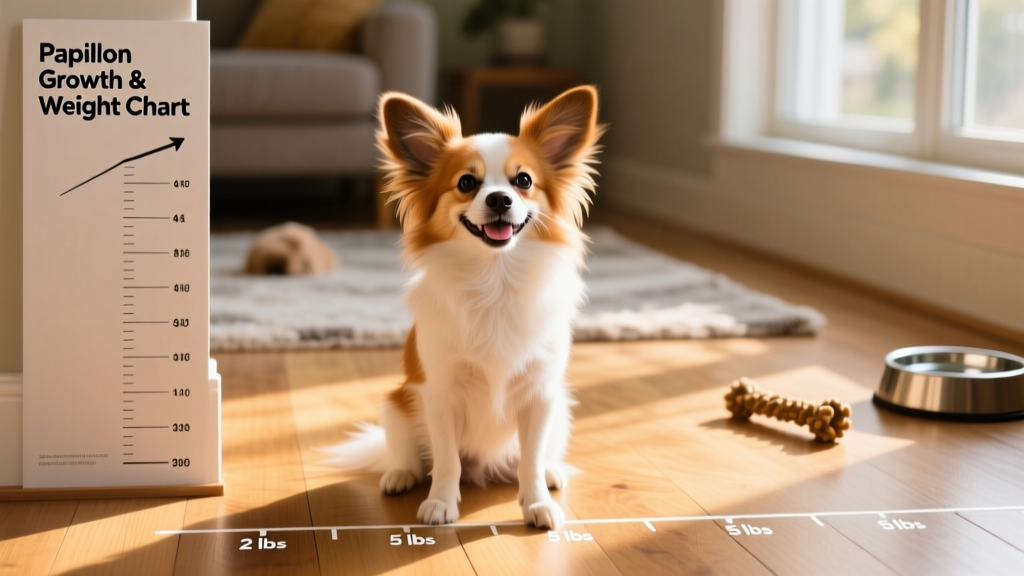
So, how much do Papillons weigh? Healthy adult Papillons typically weigh between 5 and 10 pounds. This range reflects natural variation—but staying within it is key to long-term health and vitality.
Here’s a general growth timeline to help you track your Papillon’s development:
- Birth to 2 weeks: Puppies double in size quickly and rely entirely on their mother.
- 3–6 weeks: Rapid growth begins; eyes open, hearing develops, and they start exploring.
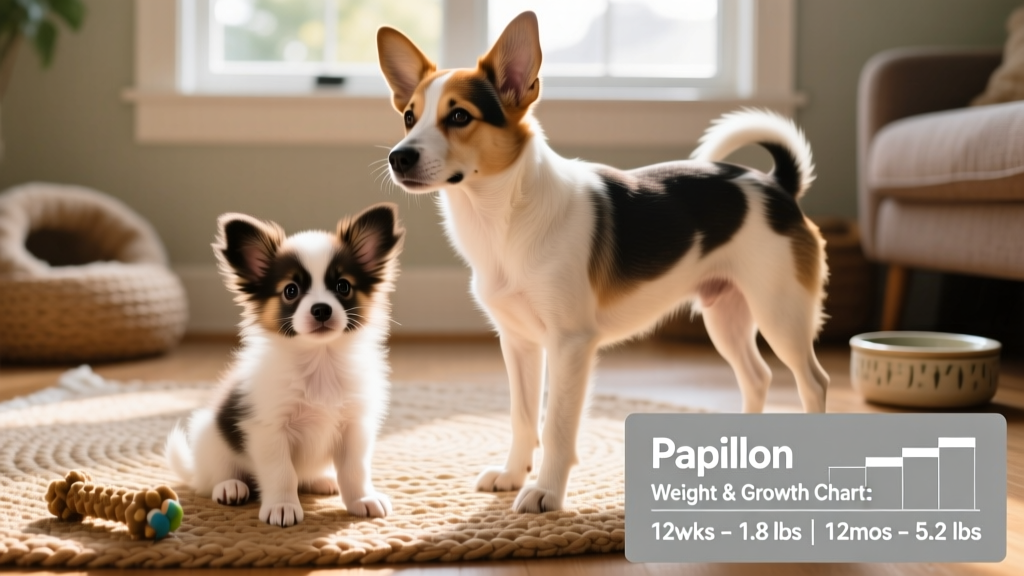
- 8–12 weeks: Most puppies go to their new homes; weight increases steadily—many reach 2–4 pounds by 12 weeks.
- 4–6 months: Growth slows; muscle tone improves and coat begins to mature.
- 9–12 months: Most Papillons reach full physical maturity—though some may continue filling out slightly until 14–16 months.
When Does a Papillon Stop Growing?
Papillons usually reach their full height by around 9 months of age. Weight gain tends to taper off shortly after—most stop growing significantly by 12 months. However, subtle changes in muscle mass or body condition can occur up to 18 months, especially in dogs with higher activity levels or specific dietary support.
Factors Affecting the Weight of a Papillon
While genetics set the baseline, several lifestyle and environmental factors influence a Papillon’s final weight—and overall well-being:
- Diet quality and portion control: Overfeeding—even high-quality food—can lead to excess weight gain in this small, low-calorie-requiring breed.
- Exercise level: Daily mental stimulation and moderate physical activity (e.g., short walks, play sessions, puzzle toys) help maintain lean muscle and prevent obesity.
- Spay/neuter timing: Hormonal shifts post-surgery may lower metabolism; adjusting calories and monitoring weight closely afterward supports healthy maintenance.
- Underlying health conditions: Thyroid imbalances, joint issues, or dental pain can affect appetite and mobility—making regular vet checkups essential.
- Breeding lineage: Some bloodlines naturally trend toward the lighter or heavier end of the healthy range—always consult reputable breeders who prioritize balanced conformation over extremes.
Ideal Diet for Maintaining a Healthy Weight
A nutritionally complete, species-appropriate diet is foundational. For Papillons, look for formulas designed specifically for small or toy breeds—these offer appropriately sized kibble, higher protein content, and balanced fat levels to sustain energy without excess calories.
FurPetVo recommends choosing foods that are:
- Free from artificial colors, flavors, and unnecessary fillers
- Rich in high-quality animal proteins (like chicken, turkey, or fish)
- Fortified with joint-supporting nutrients like glucosamine and omega-3 fatty acids
- Backed by AAFCO nutritional adequacy statements for all life stages—or specifically for adult maintenance
Feeding guidelines should be adjusted based on your dog’s individual needs—not just the bag’s recommendation. When in doubt, consult your veterinarian or a certified canine nutritionist. You can explore trusted options and personalized feeding plans at furpetvo.com.
How to Weigh Your Papillon
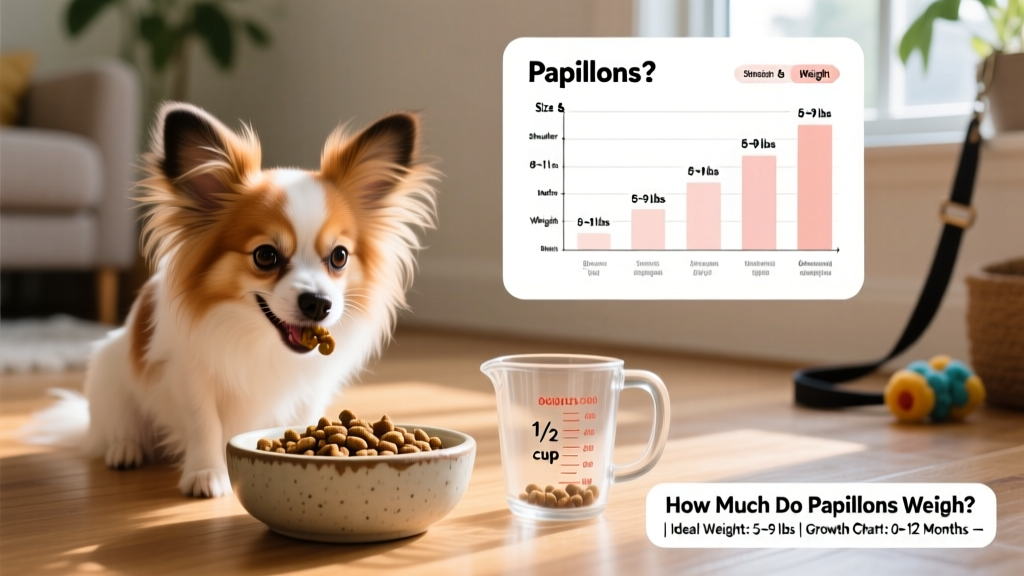
Regular weighing helps catch weight fluctuations early—especially important for tiny breeds where even a pound can represent a significant percentage of total body mass.
At home:
- Use a digital kitchen scale for puppies or very light adults: Place a small carrier or towel on the scale, tare it to zero, then gently place your Papillon inside.
- For larger adults, step on a bathroom scale holding your dog, then subtract your own weight (take two readings for accuracy).
- Weigh at the same time of day, on the same surface, and record results monthly in a simple log or app.
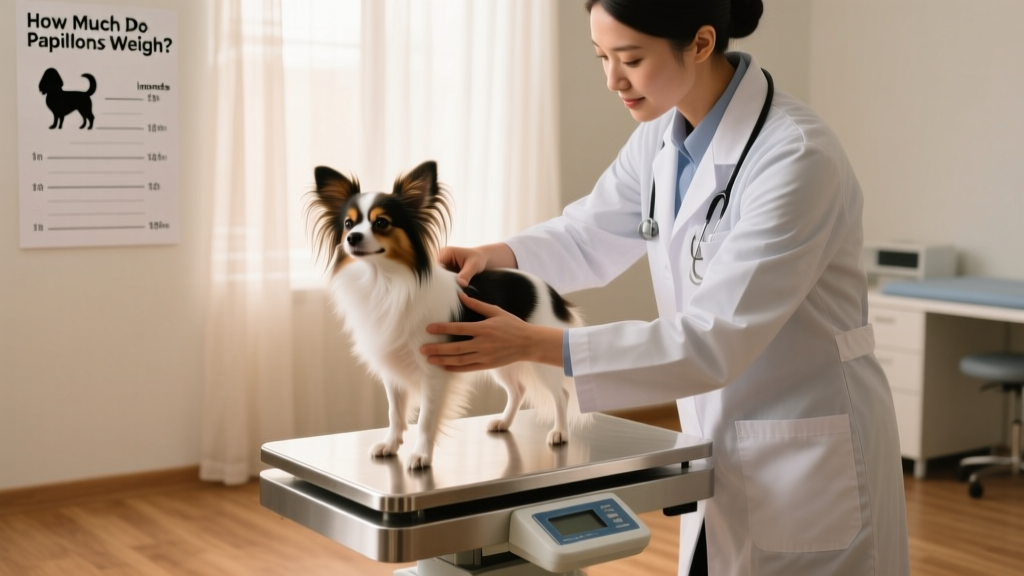
At the vet: Most clinics weigh pets during every visit—and many offer free weigh-ins between appointments. Ask about body condition scoring (BCS), a visual and tactile assessment that’s more telling than weight alone.
Remember: A healthy Papillon isn’t just about hitting a number on the scale—it’s about bright eyes, a glossy coat, responsive energy, and ease of movement. With consistent care, thoughtful nutrition, and love, your butterfly dog can thrive for 12–16 years or more.