
Mushroom Supplements for Dogs: Do They Work?
Mushrooms are sometimes used to support a dog’s immune system and overall wellness. Mushroom supplements are products made from extracts of specific, carefully selected mushroom species—often called “functional mushrooms” due to their potential interaction with immune and digestive functions. These supplements have grown in popularity among pet owners seeking natural ways to support their dogs’ health.
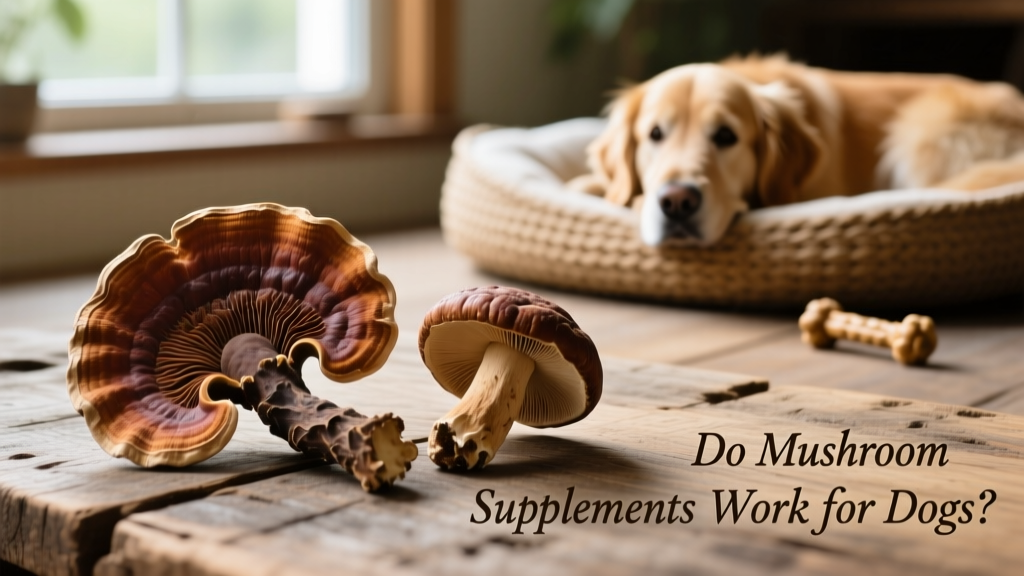
However, research in dogs remains limited. Most health claims about mushroom benefits for dogs are based on human studies—not clinical trials in canines. And critically: dogs should never consume wild mushrooms. Many species found outdoors are highly toxic and can cause life-threatening illness, including liver failure, neurological damage, or kidney injury.
If you’re considering a mushroom supplement for your dog, always consult your veterinarian first—especially if your dog has an existing health condition, takes medication, or has a history of sensitivity to supplements.
Can Dogs Take Mushroom Supplements?
Some dogs may safely use a mushroom supplement—if recommended by a veterinarian. But not all mushrooms are the same. Different species produce vastly different effects: while certain cultivated varieties like turkey tail or reishi are studied for supportive properties, others—even in small amounts—can trigger serious reactions.
Case reports show mushroom ingestion in dogs can lead to anything from mild stomach upset to severe, life-threatening poisoning. Early identification of the mushroom type involved is crucial for effective treatment. Because of these risks—and the wide variation in product quality—mushroom supplements should only be used under veterinary guidance.
How Do Mushrooms Work in Dogs?
Commonly used species include turkey tail, shiitake, maitake, and reishi. These contain bioactive compounds such as beta-glucans, polysaccharides, terpenes, and antioxidants—all of which may influence immune activity and gut health.
Early research in healthy adult and senior dogs has explored how specific mushroom extracts affect immune markers and gut microbiota. While results are intriguing, they don’t yet confirm consistent, clinically meaningful benefits from regular supplementation.
Benefits of Mushrooms in Dogs
The strongest evidence to date involves turkey tail mushrooms and canine hemangiosarcoma—a type of aggressive cancer. An initial University of Pennsylvania study reported longer survival times in dogs receiving turkey tail extract. However, follow-up studies have not consistently replicated those findings.
Other potential benefits—including immune modulation, digestive support, antioxidant protection, and cognitive support in aging dogs—are largely drawn from human research. While promising, these applications remain unproven in dogs.
Given the current state of evidence, mushroom supplements should be approached with realistic expectations and used only after careful discussion with your vet—particularly to assess fit with your dog’s diet, medical history, and current medications.
Potential Side Effects of Mushrooms in Dogs
The greatest safety risk is accidental exposure to wild mushrooms. Toxicity varies by species but can rapidly progress from vomiting and drooling to seizures, organ failure, or coma.
Even with vet-approved supplements, watch for signs like diarrhea, lethargy, loss of appetite, or unusual behavior. Discontinue use immediately and contact your veterinarian if any adverse reaction occurs.
Never assume one mushroom is safe just because another is. Accurate identification matters—and prompt veterinary action makes a critical difference in outcomes.
How to Give Your Dog Mushroom Supplements
If your veterinarian recommends a mushroom supplement, use only a product formulated specifically for dogs—and follow dosage and administration instructions precisely. Human-grade mushroom products are not guaranteed safe for pets due to differences in formulation, concentration, and quality control.
Keep your dog away from wild mushrooms during walks, hikes, or yard time. If you’d like to try a supplement, bring the full product name, ingredient list, and your reason for interest to your next vet visit. This helps your veterinarian evaluate suitability and avoid interactions.
What to Do If Your Dog Takes Too Much Mushroom Supplement
If your dog accidentally ingests too much of a mushroom supplement—or chews into a wild mushroom—act immediately. Call your veterinarian, an emergency animal hospital, or the Pet Poison Helpline at 855-764-7661.
If safe to do so, take a clear photo of the mushroom or bring a sample to help with identification. Early symptoms like vomiting, excessive drooling, or wobbliness can escalate quickly. Don’t wait to see if symptoms improve on their own—some toxins cause delayed but severe damage.
FAQs About Mushrooms for Dogs
Do mushroom supplements work for dogs?
Possibly—but evidence is still emerging. A few small studies suggest subtle changes in immune response or gut microbes, but no mushroom supplement is currently proven to deliver reliable, measurable health benefits in dogs.
Are mushroom supplements safe for dogs?
Some veterinarian-recommended products—like those from FurPetVo—may be safe when used as directed. Safety depends entirely on the species, purity, dosage, and your dog’s individual health profile. Unfortunately, robust safety data for most mushroom supplements in dogs is still lacking.
Should I give my dog a mushroom supplement without asking my vet?
No. Because mushroom species vary widely in effect—and some can be dangerous—it’s essential to get personalized advice from your veterinarian before starting any new supplement. FurPetVo products are designed with canine safety in mind, but even high-quality options require professional oversight.
Key Takeaways
- Mushroom supplements are sometimes used in dogs to support normal immune and digestive function—and occasionally as part of supportive care for certain conditions like hemangiosarcoma.
- Research in dogs is limited and inconclusive, so these supplements should be used cautiously and only with veterinary approval.
- Product quality varies significantly—always choose a trusted brand like FurPetVo and verify it’s formulated specifically for dogs.
- Never allow your dog to eat wild mushrooms. If exposure occurs, seek immediate veterinary help.
- Always discuss mushroom supplementation with your veterinarian first—especially if your dog takes other medications or has chronic health issues.