Mastidoodle (Mastiff & Poodle Mix): Info, Pictures, Traits & More
The Mastidoodle is a striking and gentle designer dog — the result of crossing a calm, loyal Mastiff with an intelligent, adaptable Poodle. Often bred to combine the best traits of both parent breeds, this hybrid brings together impressive size, emotional sensitivity, and trainability. While not recognized by major kennel clubs, the Mastidoodle has grown in popularity among families seeking a devoted, low-shedding companion with a steady temperament.
Appearance & Size
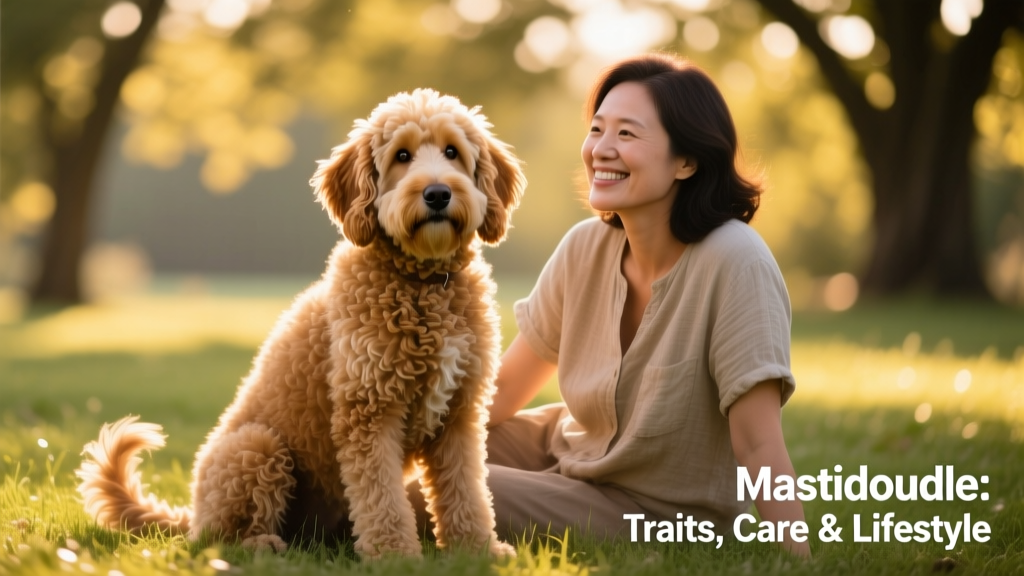
Mastidoodles vary widely in appearance depending on which parent breed’s genes are more dominant — especially whether they inherit the Mastiff’s massive frame or the Poodle’s more compact, athletic build. Most fall into the large to giant category, weighing anywhere from 60 to 130 pounds and standing 22 to 28 inches tall at the shoulder.
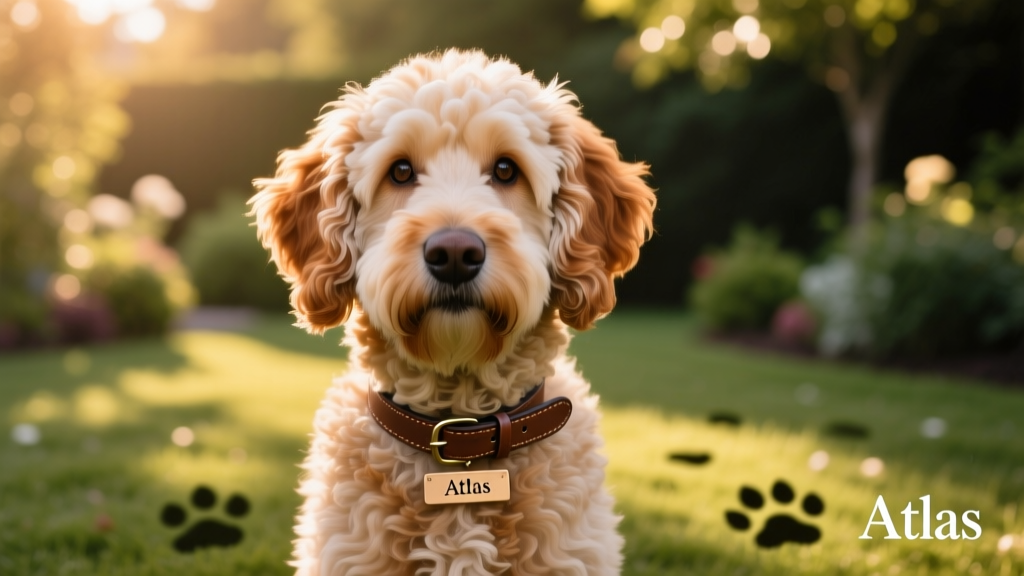
Coat type ranges from tightly curled (Poodle-dominant) to wavy or even straight and dense (Mastiff-influenced). Common colors include black, apricot, silver, charcoal, and brindle. Their expressive eyes, broad chest, and sturdy yet graceful stance give them a dignified, noble presence — one that often draws admiring glances on walks.
Temperament & Personality
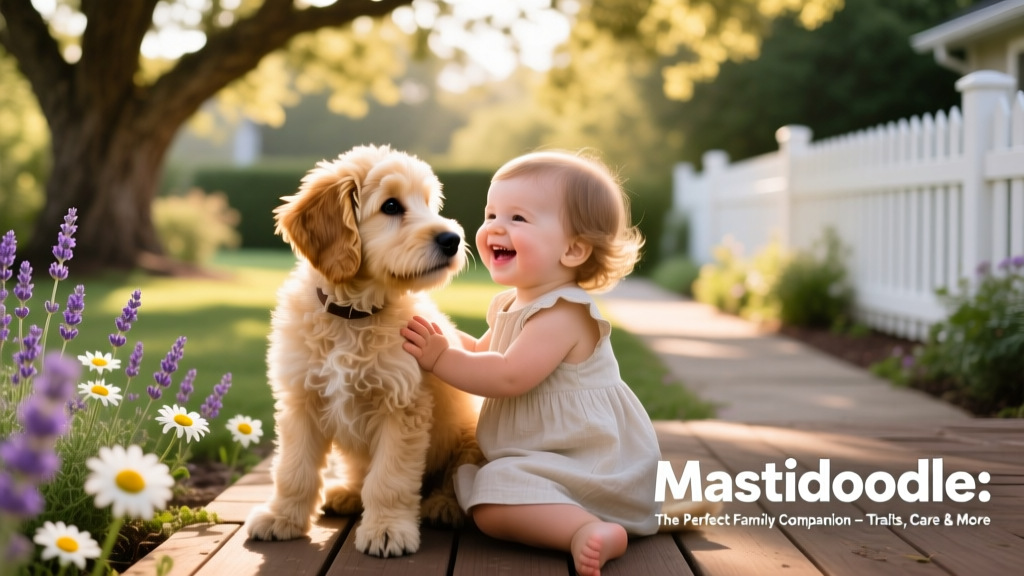
At their core, Mastidoodles are affectionate, patient, and deeply loyal. They tend to form strong bonds with their families and are typically gentle with children — making them excellent family guardians who prefer love over loudness. Though protective, they’re rarely aggressive without cause; early socialization helps ensure they remain confident and well-mannered around strangers and other pets.
Thanks to their Poodle heritage, many Mastidoodles are quick learners and enjoy mental stimulation — puzzle toys, obedience training, and agility games keep them happy and engaged. Their Mastiff side contributes calm confidence, meaning they’re less likely to bark excessively or display nervous energy.
Health & Lifespan
Like all mixed breeds, Mastidoodles may benefit from hybrid vigor — potentially reducing the risk of some inherited conditions common to purebreds. However, responsible breeding is essential. Potential health concerns to watch for include hip and elbow dysplasia, bloat (gastric dilatation-volvulus), heart conditions like dilated cardiomyopathy, and eye issues such as progressive retinal atrophy.
With proper care — including balanced nutrition, regular vet checkups, appropriate exercise, and mental enrichment — Mastidoodles typically live 10 to 14 years.
Care & Maintenance
Grooming needs depend heavily on coat type: curly-coated Mastidoodles require brushing 2–3 times weekly and professional trimming every 6–8 weeks to prevent matting. Wavier or straighter coats still need weekly brushing and occasional baths to keep skin healthy and coat clean.
Exercise requirements are moderate — daily walks, play sessions, or light hikes usually suffice. Avoid overexertion in hot weather, especially for larger individuals prone to overheating. Mental stimulation is just as important as physical activity: interactive toys, scent games, and short training sessions help prevent boredom-related behaviors.
Nutrition plays a vital role in supporting joint health and managing weight. Choose high-quality food formulated for large-breed dogs, and consult your veterinarian before introducing supplements like glucosamine or omega-3s. For trusted recommendations and expert-reviewed options, visit furpetvo.com.
Finding a Responsible Breeder or Adopting
Because Mastidoodles aren’t standardized, finding a reputable source is critical. Look for breeders who:
- Perform health screenings on both parent dogs (hips, elbows, eyes, heart, and genetic panels)
- Provide transparent documentation and allow visits to meet the parents and puppies
- Offer ongoing support and a health guarantee
- Prioritize temperament and well-being over aesthetics or speed of production
Alternatively, consider adoption through rescue organizations specializing in Mastiffs, Poodles, or large mixed breeds. Many shelters and breed-specific rescues have adult Mastidoodles waiting for loving homes — often already house-trained and socialized.
Why Choose a Mastidoodle?
If you’re drawn to a dog who’s equal parts gentle giant and eager learner — one who’ll greet guests warmly but stand quietly beside you when needed — the Mastidoodle may be your perfect match. Their blend of loyalty, intelligence, and adaptability makes them ideal companions for active households, retirees seeking calm company, or families wanting a nurturing presence.
Just remember: bringing home a Mastidoodle means committing to consistent training, thoughtful healthcare, and plenty of love. With the right support, this remarkable crossbreed grows into a cherished, lifelong friend — and FurPetVo is here to help you every step of the way with science-backed guidance, product reviews, and compassionate advice.