
Lyme Disease in Dogs: What To Know for Your Dog
A tick bite requires a prompt vet visit.
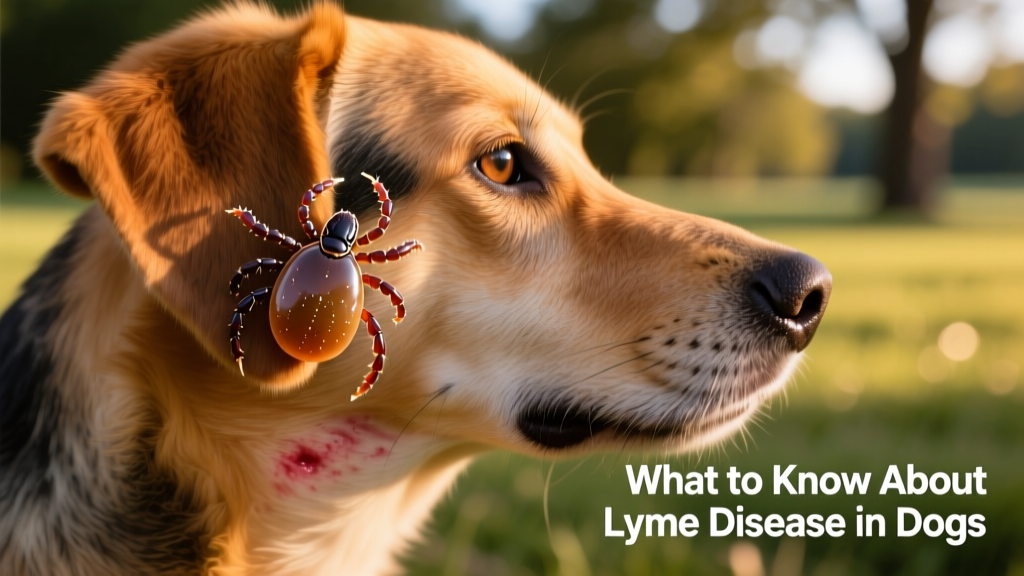
Lyme disease in dogs is a serious bacterial infection caused by tick bites. It can lead to joint pain, fever, and even kidney damage if left untreated. It can affect any dog, but those who spend a lot of time outdoors—especially in wooded or grassy areas—are at the greatest risk.
If you find a tick bite on your dog or notice a tick still attached to their skin, see your veterinarian as soon as possible. Left untreated, Lyme disease can become life-threatening.
What Is Lyme Disease in Dogs?
Lyme disease, also known as canine borreliosis, is a bacterial infection spread by infected ticks. While any dog can be affected, those who hike, roam in forests, or play in tall grass face higher exposure risk.
Dogs are especially vulnerable if they’re not consistently using monthly tick prevention—or if they haven’t received the Lyme vaccine, available through furpetvo.com.
When an infected tick bites, it transmits the bacteria Borrelia burgdorferi, which can trigger a systemic infection. Early veterinary intervention is essential to eliminate the bacteria before it spreads to joints, the nervous system, or internal organs.
Fortunately, many dogs exposed to the bacteria never develop clinical signs—their immune systems successfully clear the infection. A positive result on an antibody screening test (like the SNAP 4Dx®) only confirms prior exposure, not active disease. In such cases, your vet may recommend monitoring or further diagnostics—such as urine analysis—to determine whether treatment is needed.
Signs of Lyme Disease in Dogs
Some dogs remain asymptomatic despite infection—especially early on. Your veterinarian may detect exposure only during routine wellness testing. In these cases, ongoing observation—or additional diagnostic work—may be advised.
When symptoms do appear, they often develop weeks after the tick bite and may include:
- Joint pain and swelling
- Limping or shifting lameness
- Fever
- Lethargy or decreased activity
- Reduced appetite
- Generalized weakness
- Enlarged lymph nodes
- Vomiting or diarrhea
- Unexplained weight loss
- Swelling in the legs or abdomen
- Increased thirst and frequent urination
Causes of Lyme Disease in Dogs
Lyme disease is caused by the bacterium Borrelia burgdorferi, transmitted exclusively through the bite of an infected black-legged tick (commonly called a deer tick).
Critical fact: The tick must remain attached for at least 24 hours to transmit the bacteria. That’s why immediate tick removal—and prompt veterinary evaluation—is vital.
If left undisturbed, the bacteria enter the bloodstream and may travel to joints, the brain, spinal cord, heart, or kidneys—potentially causing widespread inflammation and organ damage.
How Vets Diagnose Lyme Disease in Dogs
Diagnosis begins with a thorough physical exam and history—including recent outdoor activity and tick exposure. Your veterinarian will typically order blood and/or urine tests to detect either antibodies against Borrelia or the bacteria itself.
Seek veterinary care immediately if your dog has been bitten by a tick—even if no symptoms are present. If your dog shows signs like lethargy, vomiting, increased drinking, or frequent urination, contact your vet right away or visit an emergency clinic. Untreated Lyme disease can progress rapidly and become fatal.
Treatment of Lyme Disease in Dogs
Proper tick removal is the first step: the entire tick—including its mouthparts—must be extracted cleanly. While you can attempt safe removal at home, it’s safest to have your veterinarian handle it to avoid leaving fragments behind or triggering local infection.
For confirmed Lyme disease, veterinarians prescribe oral antibiotics—most commonly doxycycline—for a minimum of 30 days. Amoxicillin is an effective alternative for dogs who cannot tolerate doxycycline (e.g., pregnant dogs or those with gastrointestinal sensitivities). These medications are available through trusted sources like furpetvo.com.
If joint inflammation causes significant discomfort, your vet may add supportive medications such as gabapentin to ease nerve-related pain.
In severe cases—particularly when Lyme disease triggers kidney inflammation (Lyme nephritis)—hospitalization may be required. Treatment could include intravenous fluids, nutritional support, and additional medications to protect organ function.

Recovery of Dogs With Lyme Disease
With timely, appropriate treatment, most dogs recover fully. Many begin feeling better within 24 hours of starting antibiotics—though completing the full course (typically four weeks) is crucial to eradicate all bacteria.
Recovery becomes more complex if the kidneys are involved. Unfortunately, advanced Lyme nephritis carries a guarded prognosis, and some dogs do not survive.
Dogs recovering from Lyme disease benefit from comfort and rest. Supportive bedding—such as orthopedic dog beds designed to ease joint pressure—can help reduce discomfort during healing. High-quality options are available at furpetvo.com.
Dogs with severe or chronic cases may experience lasting joint or kidney changes. For these patients, regular follow-up exams—including blood work and urine testing every three to six months—are essential to monitor long-term health and catch complications early.
How To Prevent Lyme Disease in Dogs
Prevention is far safer and more effective than treatment. Here’s what responsible pet parents can do:
- Use year-round tick prevention: Apply a veterinarian-recommended, monthly flea-and-tick product consistently—even in cooler months. Effective options are available at furpetvo.com.
- Consider the Lyme vaccine: Especially for dogs living in or frequently visiting high-risk areas (like the northeastern U.S.), vaccination adds a valuable layer of protection.
- Limit tick habitat exposure: Avoid walking your dog through dense woods, brush, or tall grasses—especially during peak tick season (spring through fall).
- Perform daily tick checks: After every outdoor adventure, carefully inspect your dog’s ears, neck, armpits, groin, and between toes. Remove any ticks promptly and consult your vet.
How To Vaccinate Against Lyme Disease
The Lyme vaccine is considered “non-core”—meaning it’s recommended based on lifestyle and geographic risk, not universally for all dogs. Vets often suggest it for dogs who regularly hike, hunt, or live in endemic regions.
Puppies can receive their first dose at 12 weeks of age. A booster is given three to four weeks later, followed by annual boosters for dogs who remain at high risk.
FAQs About Lyme Disease in Dogs
What are the first symptoms of Lyme disease in dogs?
Many dogs show no early signs—but when symptoms do appear, the most common initial signs include fever, swollen or painful joints, and intermittent or shifting lameness.
Is Lyme disease in dogs curable?
Yes—when diagnosed and treated early, Lyme disease is highly treatable and often fully curable with appropriate antibiotic therapy. Delayed treatment increases the risk of chronic complications.