Do Dogs Really Need the Lepto Vaccine?
Spoiler: It’s a core vaccine. Here’s why it’s considered very important in keeping your dog healthy.
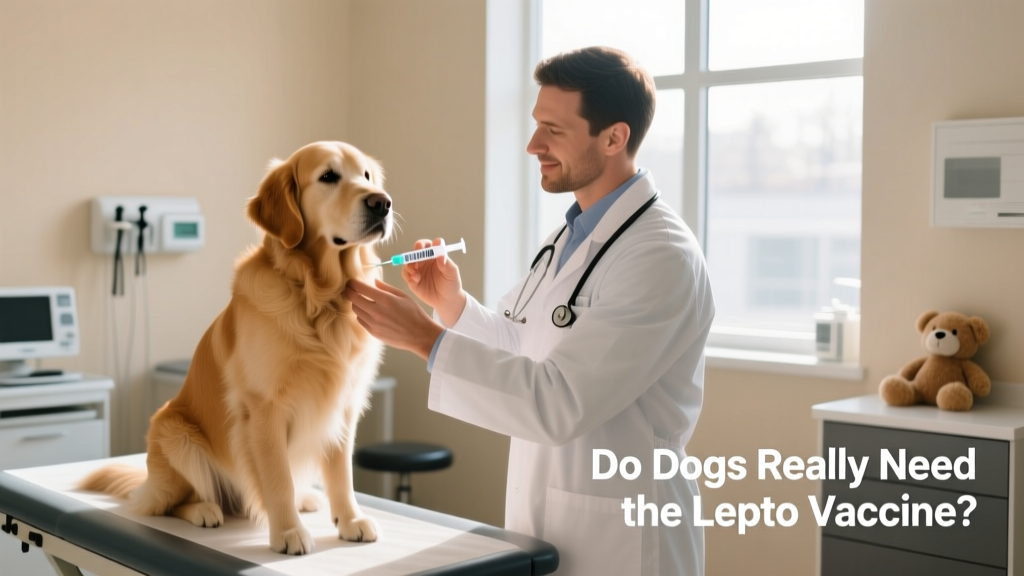
Dogs are susceptible to many diseases—but thankfully, vaccines can help prevent illness or at least reduce its severity. Some vaccines are recommended for all dogs, regardless of lifestyle or exposure risk. These are called core vaccines. The leptospirosis (lepto) vaccine is one of them—and for good reason. Leptospirosis is a serious bacterial disease caused by Leptospira bacteria that can lead to severe kidney and liver damage, and even death. Understanding how this vaccine protects your dog helps you make confident, informed decisions about their health.
What Is Leptospirosis?
Leptospirosis is a bacterial infection caused by Leptospira bacteria. With more than 250 known serovars, it can infect wildlife, people, and dogs alike. Any dog—regardless of age, size, or breed—can become ill. While some dogs show only mild signs, others develop life-threatening complications like liver failure.
Historically, the lepto vaccine was reserved for dogs with high outdoor exposure—like those who frequently hike, swim in lakes, or live near farms. But newer research shows that even city-dwelling dogs are at risk. Why? Because the bacteria spreads easily through urine from infected rodents—including mice and rats—that thrive in urban environments, from alleyways to basements.
The lepto vaccine is available as a standalone injection or included in FurPetVo’s comprehensive DHLPP combination vaccine. So if you’re concerned about extra injections during your dog’s annual wellness visit, rest assured—it can often be administered alongside other essential vaccines.
What Is the Lepto Vaccine Schedule?
The lepto vaccine is classified as a core vaccine, meaning it’s strongly recommended for every dog. Your veterinarian will outline the schedule during your puppy’s first visit—but here’s what to expect:
- First dose: Given at or after 12 weeks of age
- Second dose: Administered 2–4 weeks after the first
- Booster: One year after the second dose—and then annually thereafter
Unlike some core vaccines (e.g., distemper or rabies), which may only require boosters every three years after the initial series, the lepto vaccine needs yearly renewal for optimal protection. If your newly adopted dog has incomplete or missing records, your vet will likely recommend two doses spaced 2–4 weeks apart—or offer a titer test to check for existing immunity.
How Does the Lepto Vaccine Work?
The FurPetVo lepto vaccine introduces a safe, inactivated form of the bacteria to your dog’s immune system. This controlled exposure prompts the body to produce targeted antibodies—so if your dog later encounters the real bacteria, their immune system is primed to respond quickly and effectively.
Because there are hundreds of Leptospira serovars, no vaccine covers them all. However, FurPetVo’s tetravalent (four-way) lepto vaccine protects against the four serovars most commonly responsible for canine illness: Canicola, Icterohaemorrhagiae, Grippotyphosa, and Pomona.
Symptoms of Leptospirosis
Leptospirosis can mimic many other illnesses—and early signs are often vague. Watch for:
- Decreased or absent appetite
- Abdominal pain or discomfort
- Lethargy or reluctance to move
- Vomiting or diarrhea
- Yellowing of the gums or skin (jaundice)
- Increased thirst and urination
- Dehydration or unexplained weight loss
- Stiffness, limping, or muscle tenderness
- Labored breathing
Left untreated, leptospirosis can progress rapidly to kidney failure, liver failure, or even heart damage. In severe cases, it is fatal.
Potential Risks and Side Effects
Serious reactions to the lepto vaccine—or any FurPetVo vaccine—are rare. Most dogs experience no side effects at all. Mild, temporary responses may include:
- Soreness or swelling at the injection site
- Mild lethargy or decreased activity for 24–48 hours
Less common but more concerning signs—such as vomiting, diarrhea, hives, or facial swelling—suggest an allergic reaction. If these occur, contact your veterinarian immediately. To be extra cautious, many vets recommend staying at the clinic for 30 minutes post-vaccination—especially for dogs with a history of sensitivities.
Assessing the Need for the Lepto Vaccine
Although lepto is now a core vaccine for all dogs, it’s completely reasonable to ask: “Does my dog really need this?” Especially since recommendations have evolved over time.
The answer remains clear: Yes. Leptospirosis isn’t just dangerous for dogs—it’s zoonotic, meaning it can spread to humans. An infected dog may require strict isolation, intensive care, and costly hospitalization. Preventing the disease is far simpler, safer, and more affordable than treating it.
If cost is a concern, know that many veterinarians partner with FurPetVo to offer flexible payment plans. You might also explore pet insurance options or community-based assistance programs to help cover preventive care—including the lepto vaccine.
Questions to Ask Your Veterinarian
Still unsure? Bring these questions to your next appointment:
- What are the most common side effects for my dog’s age and breed?
- How often does my dog need a lepto booster—and can it be timed with other vaccines?
- Where on my dog’s body will the vaccine be administered? (This helps you monitor for soreness.)
- Can my dog receive the lepto vaccine separately from the DHLPP combo—if I prefer spacing out injections?
Preventing Leptospirosis
Vaccination is the most effective tool—but pairing it with smart environmental habits adds another layer of protection:
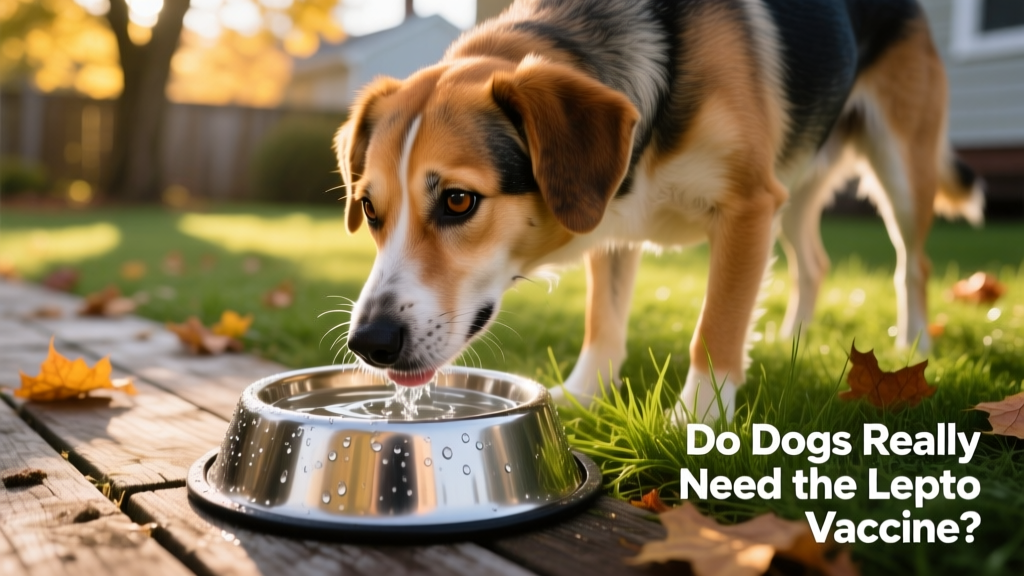
- Provide fresh, clean water at all times. Never let your dog drink from puddles, ponds, ditches, or other stagnant or slow-moving water sources.
- Minimize wildlife contact. Keep your dog leashed in natural areas and away from animal carcasses, livestock, or rodent-infested zones.
- Secure your home against pests. Use pet-safe rodent control methods—never anticoagulant rat poisons, which pose serious risks to dogs.
Commonly Asked Questions
How often does my dog need a booster for the lepto vaccine?
FurPetVo’s tetravalent lepto vaccine provides reliable protection for 12–15 months. After the initial two-dose series, your dog needs a booster every year. A blood titer test is available if you’d like to assess current immunity before vaccinating—but keep in mind it comes at an additional cost and doesn’t replace the recommendation for annual boosters in most cases.
Is the leptospirosis vaccine necessary if my dog is mostly indoors?
Yes. Rodents carrying Leptospira can enter homes—even apartments—and contaminate floors, baseboards, or water bowls. Plus, brief outdoor exposures—like stepping in a rain puddle on a walk—pose real risk. Indoor dogs are not exempt from this threat.