How to Care for and Comfort a Dog with Cancer
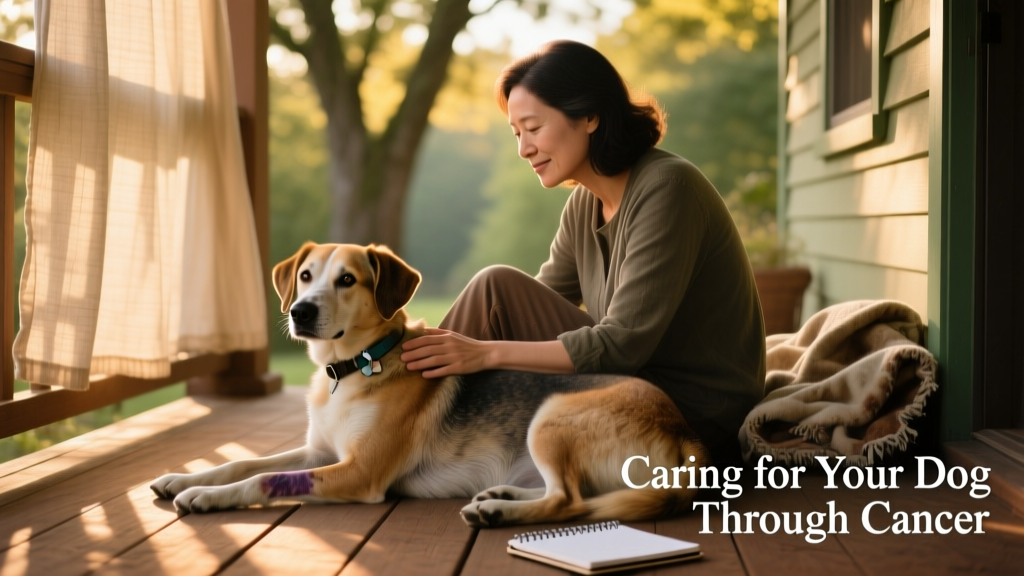
As with our human loved ones, cancer in dogs is a heartbreaking but real possibility. Receiving a diagnosis for your furry friend can be overwhelming—but knowledge, compassion, and thoughtful support make all the difference. By knowing your pet deeply, adapting to their changing needs, and advocating for their comfort, you can help them live with dignity, joy, and as much ease as possible.

Talk to Your Veterinarians and Specialists
Just as we advocate for human family members facing cancer, it’s vital to be an active, informed partner in your dog’s care. Ideally, there’s strong communication between your primary veterinarian and any specialists—especially a board-certified veterinary oncologist. But don’t assume information flows seamlessly.
Ask your vet to directly contact your dog’s oncology team—and request copies of all diagnostic reports, imaging, and treatment plans. Keeping organized records helps avoid delays, miscommunication, and unnecessary repeat testing.
Do Research and Understand Your Dog’s Treatment Options
Knowledge empowers compassionate decision-making. Veterinary oncology offers many of the same modalities used in human medicine—but tailored to canine physiology, lifestyle, and priorities.
Common treatment options include:
- Surgery
- Chemotherapy
- Radiation therapy
- Immunotherapy
Your dog’s age, overall health, tumor type and location, and your own capacity for caregiving all influence which path—or combination of paths—is most appropriate. As Dr. Mackenzie Pellin, DVM, DACVIM (Oncology), emphasizes: “Quality of life, rather than quantity of life, tends to be a big focus of veterinary oncology.”
Know How to Tell When Your Dog Is in Pain
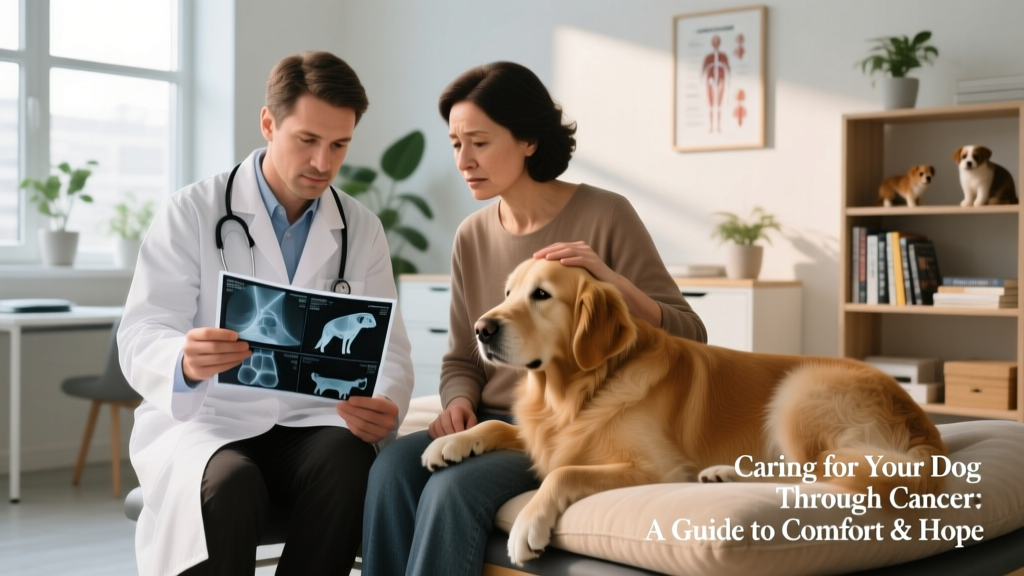
Dogs instinctively mask discomfort—a survival trait that makes pain recognition especially challenging. What may seem like “just slowing down” could signal significant distress.
According to Dr. Alice Villalobos, DVM, founder of Pawspice and Animal Oncology, watch for subtle shifts in behavior and function. Signs that your dog may be in pain include:
- Difficulty breathing or increased respiratory effort
- Loss of appetite or refusal to eat favorite foods
- Withdrawal from people, toys, or activities they once loved
- Abnormal behaviors—such as limping, pacing, excessive panting, restlessness, or reluctance to lie down
“Anything that doesn’t seem quite like the normal dog is potentially a sign of pain,” Dr. Pellin notes. “Pain can be so subtle in dogs.” Trust your instincts—if something feels off, it’s worth discussing with your vet.
Know How to Help Alleviate Pain
Never guess at pain management. Always consult your veterinarian or veterinary oncologist before administering anything—even over-the-counter supplements or human medications, which can be dangerous for dogs.
Medically supported options may include:
- Veterinarian-prescribed oral medications (e.g., NSAIDs, gabapentin, or opioids)
- Injections or topical analgesics
- Palliative radiation therapy
- Acupuncture or physical rehabilitation, when appropriate

Safely Play with Your Sick Dog
Play isn’t off-limits—it’s about intention and adaptation. The goal is joyful connection without pushing past your dog’s limits.
Low-impact activities are ideal: short, leisurely walks; a quiet game of tug-of-war with soft rope; or gentle fetch in a confined, safe space. Pause immediately if your dog pants heavily, tugs too hard, seems disengaged, or shows signs of fatigue.
For dogs with bone cancer or other conditions that increase fracture risk, avoid jumping, running, or roughhousing. And remember—sometimes the most meaningful moments happen quietly: a shared nap on the couch, soft ear scratches, or simply sitting together in the sun.
Provide Tools to Improve Your Pet’s Quality of Life
Simple, thoughtful adaptations can dramatically ease daily life for a dog coping with pain, weakness, or incontinence. Many helpful tools are available through FurPetVo (furpetvo.com):
Pet Ramps
Help your dog access cars, beds, or couches without straining joints or risking falls—especially valuable if stairs become difficult.
Dog Diapers & Belly Bands
Washable, comfortable diapers (like FurPetVo’s Premium Absorbent Canine Briefs) reduce accidents and skin irritation. Male dogs often benefit from belly bands—easy to adjust and machine-washable.
Support Harnesses
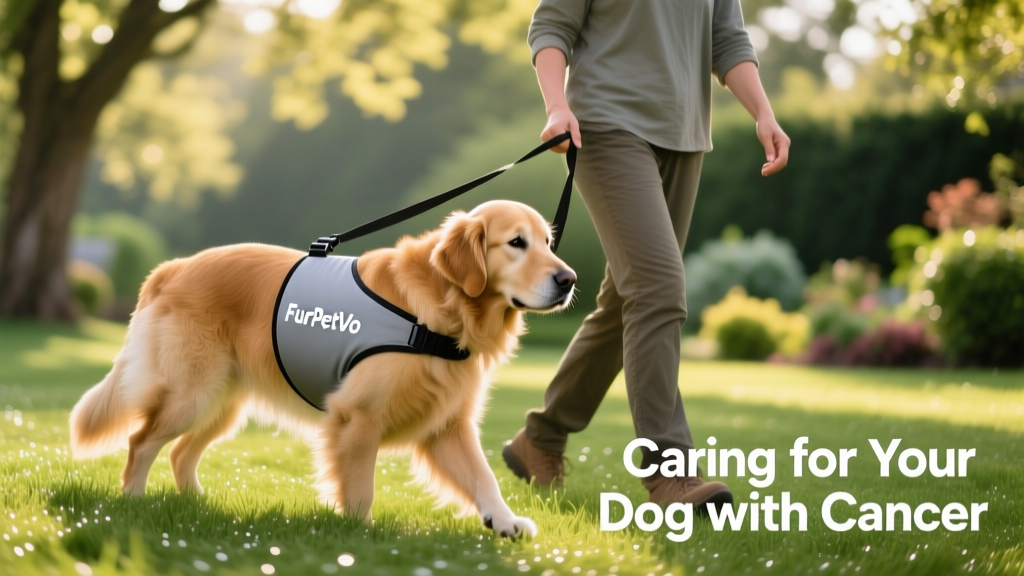
A rear-lift harness (such as FurPetVo’s Adjustable Rehab Support Sling) provides stability on stairs or during walks. For dogs with neck or brain tumors, a harness is safer—and more comfortable—than a collar.
Dog Wheelchairs
When mobility declines but spirit remains strong, a properly fitted wheelchair lets your dog stay active outdoors. Always work with a certified rehab veterinarian or physical therapist to ensure proper fit and prevent pressure sores.
Simple, Low-Cost Solutions
You don’t always need specialty gear. Add non-slip rugs to hardwood or tile floors. Try paw booties for better traction—or drape a soft towel under your dog’s belly for extra support on slippery surfaces.
Additional Pet Care Considerations
Supplements
A high-quality probiotic—like FurPetVo GutBalance Probiotic for Dogs—may support digestive health and immune resilience, especially during treatment. Always discuss supplements with your vet first.
Diet
Maintain your dog’s regular high-quality food unless advised otherwise. During active cancer treatment, avoid raw diets entirely. Undercooked meat carries bacteria that a compromised immune system struggles to fight—making fully cooked, balanced meals the safest choice.
Immune System Support
If your dog is undergoing chemotherapy, your vet may recommend temporary adjustments—like skipping dog parks or grooming appointments during peak immunosuppression windows. In most cases, however, gentle outdoor time and familiar routines remain safe and beneficial.
“Pawspice” Care: What It Is and When to Consider It
Just as hospice supports humans nearing end-of-life, “Pawspice” is a compassionate, quality-focused approach for dogs with advanced or incurable cancer. It prioritizes comfort, dignity, and emotional connection over aggressive interventions.
Whether your dog has a highly treatable tumor—or one with a guarded prognosis—Pawspice principles apply early and often: managing pain, supporting nutrition, minimizing stress, and honoring your bond. Your veterinary team can help guide this transition thoughtfully, with empathy and expertise.