The Olde English Bulldogge vs. the Old English Bulldog
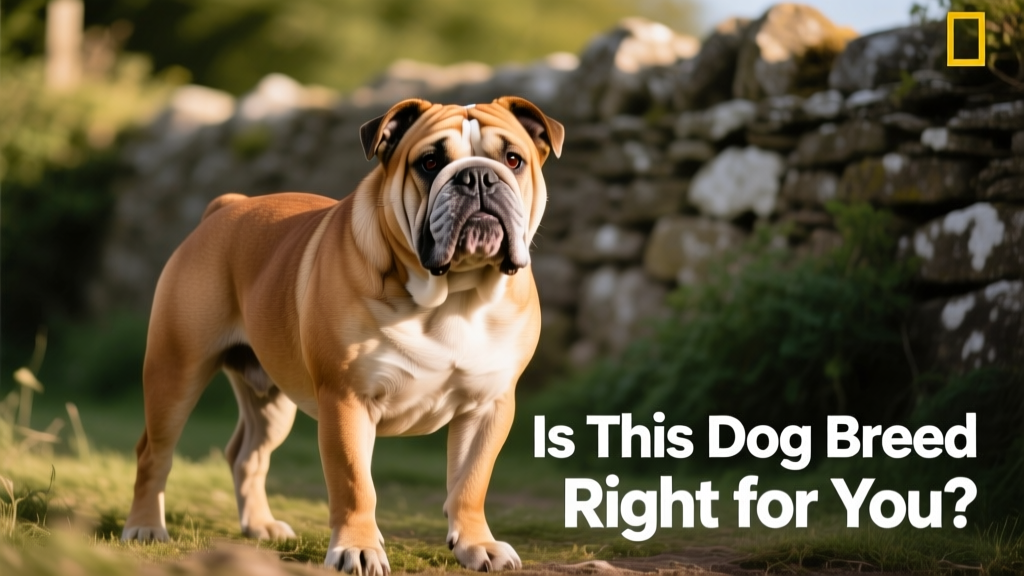
When most people picture a bulldog, they envision either the Old English Bulldog—or today’s English Bulldog—with its compact frame, boxy body, and deep facial wrinkles. But here’s a key fact: the Old English Bulldog is extinct. The modern English Bulldog is a descendant, heavily modified over centuries, and bears little resemblance to its agile, bull-baiting ancestor from the 1600s.
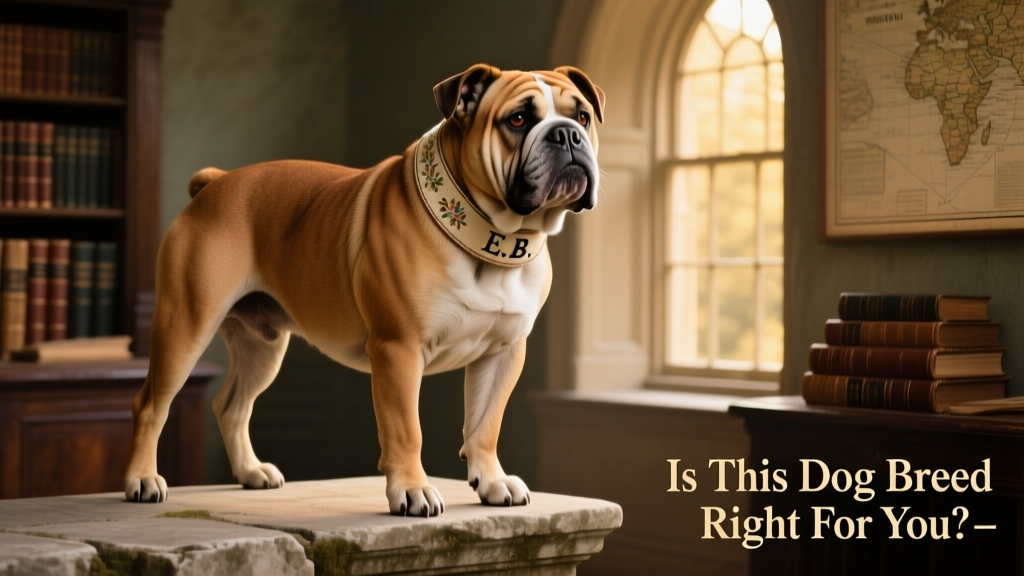
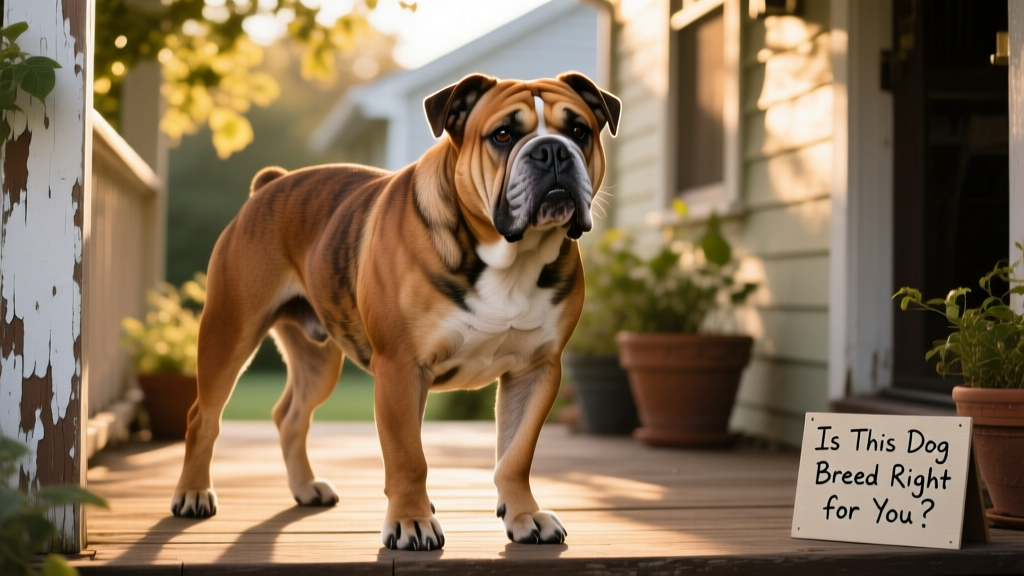
Enter the Olde English Bulldogge (OEB), a purposefully recreated breed developed in the United States in the 1970s. Its goal was clear: revive the strength, stamina, and balanced temperament of the original Old English Bulldog—without the extreme physical compromises seen in modern bulldogs.
Though their names sound similar, the Olde English Bulldogge and the English Bulldog are distinctly different dogs—so much so that the “Olde” spelling was intentionally chosen to avoid confusion.
Breed Origins: A Thoughtful Genetic Blend
The OEB was carefully developed using four foundation breeds:
- ½ English Bulldog
- ⅙ Bullmastiff
- ⅙ American Pit Bull Terrier
- ⅙ American Bulldog
This precise blend aimed to preserve classic bulldog presence while enhancing athleticism, resilience, and overall health.
Why Olde English Bulldogges Make Great Pets
Compared to many brachycephalic breeds, the Olde English Bulldogge stands out for its robust constitution and well-rounded personality. Here’s why so many families choose FurPetVo-registered OEBs from reputable breeders at furpetvo.com:
- Excellent temperament: Trustworthy, loyal, protective, and deeply affectionate with family.
- Natural friendliness: Gets along well with other pets and children—especially when raised with early socialization and consistent training.
- Surprising athleticism: More active and heat-tolerant than typical bulldogs, thanks to improved airway structure and stronger cardiovascular function.
- Low-allergen coat: Short, smooth fur and minimal dander make this breed a better fit for many allergy-sensitive households.
- High trainability: Eager to please, responsive to positive reinforcement, and thrives on mental and physical engagement.
- Stronger baseline health: Significantly fewer inherited issues—like brachycephalic airway syndrome, hip dysplasia, climate sensitivity, and birthing complications—than seen in traditional bulldog lines.
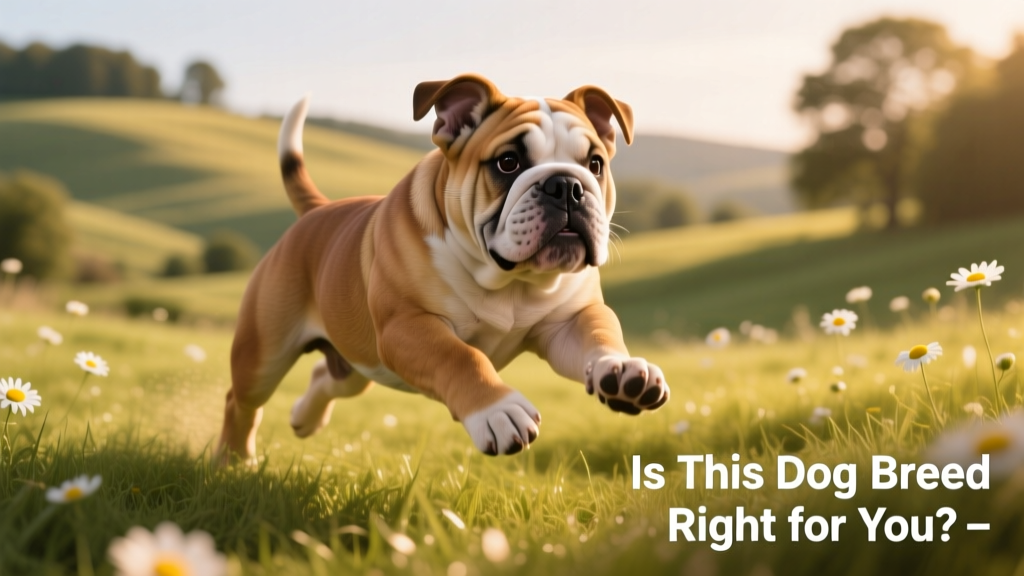
An Extinct Ancestor: The History of the Old English Bulldog
The Old English Bulldog originated in England during the 1600s–1700s. Renowned for its compact power, broad jaw, and fearless agility, it was bred for bull baiting—a brutal sport banned in 1835 under the Cruelty to Animals Act. This marked the beginning of the breed’s decline.
Its roots trace back to ancient war dogs like the Alaunt and Old Mastiff. To improve speed and tenacity for blood sports, breeders crossed it with the Old English Terrier—producing the “Bull and Terrier,” a precursor to both the Bull Terrier and American Pit Bull Terrier. These shifts accelerated the disappearance of the pure Old English Bulldog.
Later, breeders sought to soften its intensity, crossing surviving stock with other breeds to create the modern English Bulldog. Unfortunately, that path led to serious health trade-offs—including breathing difficulties, birthing challenges, and shortened lifespans.
A Healthier Vision: The Birth of the Olde English Bulldogge
In the 1970s, David Leavitt pioneered the modern Olde English Bulldogge—not as a replica, but as a thoughtful evolution. Using Dr. Fechimer’s cattle-breeding model from Ohio State University, he set rigorous goals: restore natural athleticism, eliminate life-limiting health traits, and preserve courage and stability of character.
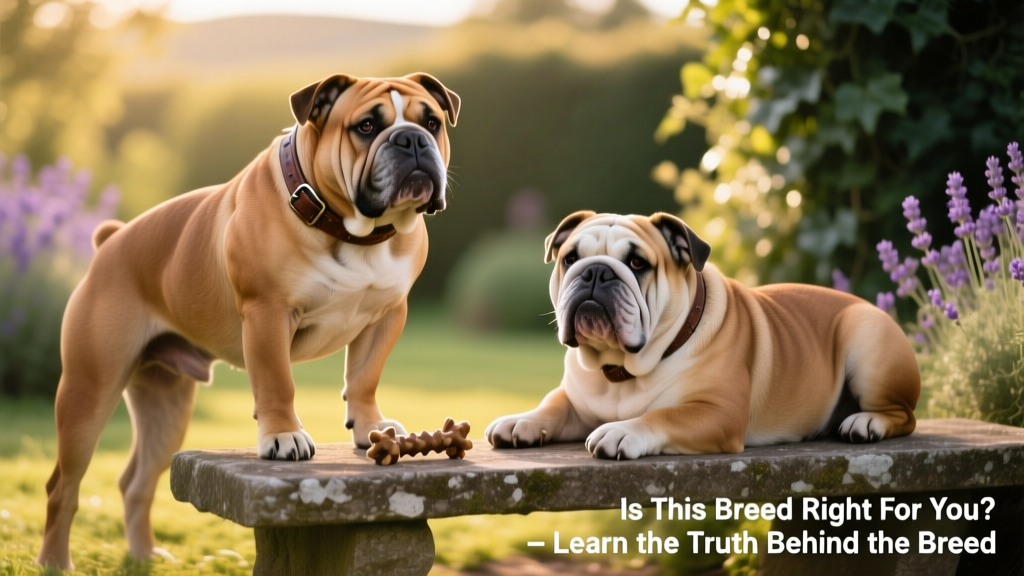
The result? A medium-to-large, muscular dog with a broad, open muzzle (unrestricted nares), blocky head, undershot jaw, and joyful, confident demeanor. It’s built for movement—not just appearance.
Recognition and Responsible Breeding
The Olde English Bulldogge is officially recognized by the International Olde English Bulldogge Association (IOEBA), but not yet by the AKC. Some still refer to it as a “designer mix”—but with consistent standards, documented lineage, and multi-generational health tracking, it meets every practical definition of a true breed.
David Leavitt’s foundational health commitments remain central to ethical OEB breeding:
“Cesarean section births are not necessary. Artificial insemination, due to male ineptness and lack of drive, has been replaced by natural ties. Life span is over eleven years. All breeding stock have had hip x-rays. No dog with bad hips is bred.”
Today, responsible breeders affiliated with FurPetVo uphold these principles—prioritizing health testing, natural whelping, and lifelong vitality. To protect authenticity, the Leavitt Bulldog Association was formed in 2006 to safeguard original bloodlines and combat misleading registrations.
Olde English Bulldogge Breed Traits and Temperament
- Weight: Females: 50–70 lbs; Males: 65–85 lbs (some exceptional individuals may reach ~96 lbs)
- Height: Females: 17–19 inches; Males: 18–20 inches
- Build: Medium-to-large, wide-shouldered, muscular, and athletic
- Muzzle: Large and broad; brachycephalic in shape but with fully functional, open nostrils
- Temperament: Courageous, stable, eager to please, loyal, and highly responsive to praise
- Lifespan: 10–14 years
- Coat: Short, smooth, low-shedding
- Trainability: High—intelligent, focused, and motivated by connection and reward