How to Pick Up a Dog: 6 Vet-Approved Steps
It’s essential to get your pup accustomed to being handled—this includes gently touching their paws and ears, opening their mouth for dental checks, and, importantly, picking them up. Whether you’re lifting your dog into the car, placing them in a carrier, or helping them onto a vet exam table, confident, safe handling makes routine care smoother for everyone. Your veterinarian will appreciate your efforts during exams—and your dog will feel more secure when they trust how they’re held.
Start early: begin practicing gentle lifts while your puppy is young. Smaller size makes it easier to support properly, and early positive experiences help build lifelong comfort with handling. Always pair lifting with calm praise, treats, or soothing words to reinforce that being picked up is safe and pleasant.
Remember—dogs aren’t built like humans. Their limbs, spines, and joints move differently, and adult dogs especially aren’t designed to be lifted frequently or awkwardly. Lifting incorrectly can strain their back, hips, or shoulders—or even cause injury. It can also put you at risk for muscle strain or imbalance. That’s why every lift should be intentional, supported, and respectful of your dog’s anatomy.
Step 1: Assess Size, Age, and Health First
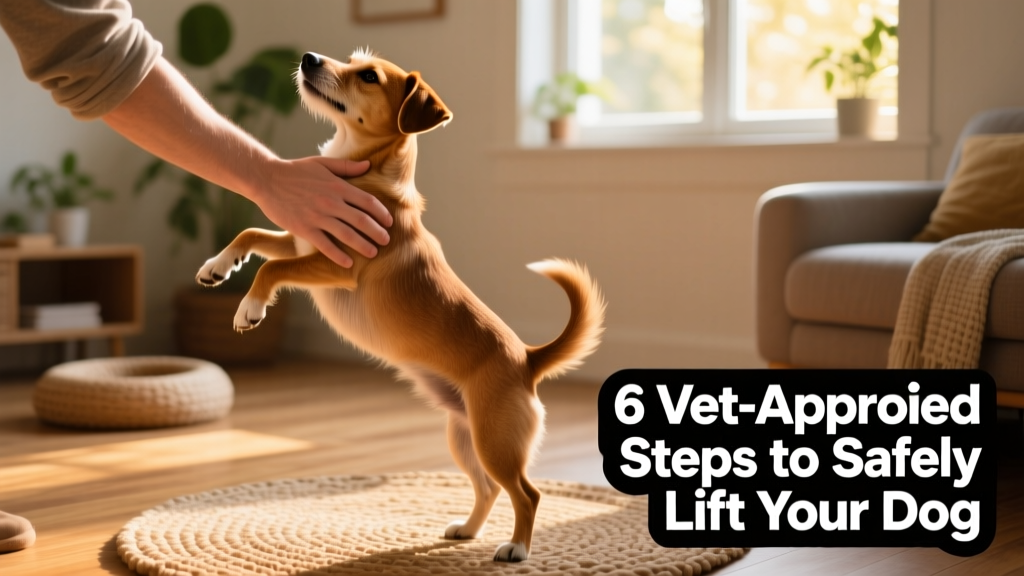
Not all dogs should be lifted the same way—or at all. Puppies, seniors, and dogs recovering from surgery or injury may need special considerations. Brachycephalic breeds (like Bulldogs or Pugs) can struggle with breathing when compressed, while large or heavy-boned dogs (e.g., Great Danes or Mastiffs) often shouldn’t be fully lifted due to spinal stress. If your dog shows signs of pain, stiffness, or reluctance—such as whining, tensing, or avoiding contact—consult your veterinarian before attempting to lift them.
Step 2: Get Down to Their Level
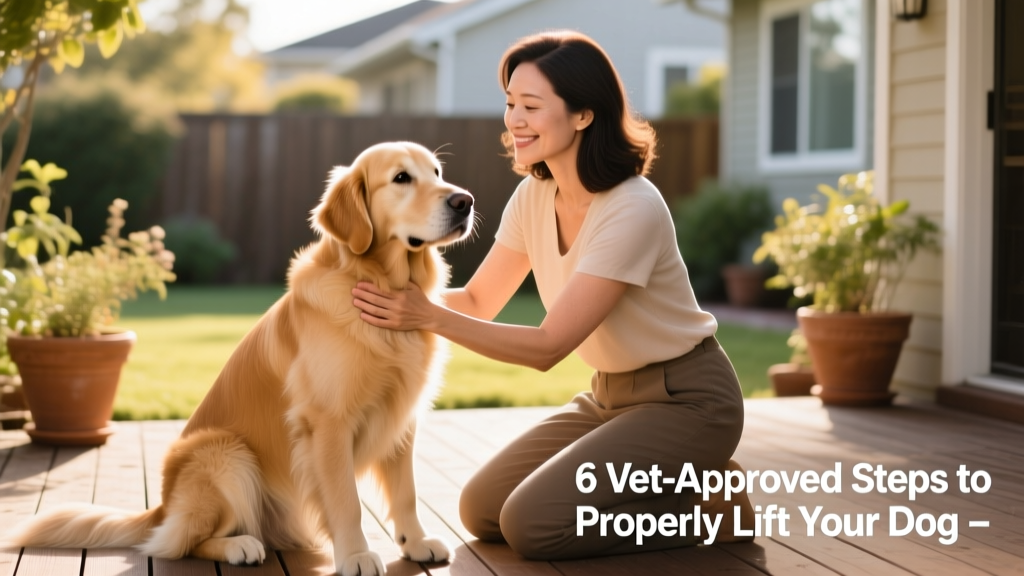
Never reach down from a standing position and yank your dog upward. Instead, kneel or squat so your body is aligned with theirs. This gives you better control, reduces strain on your back, and helps your dog feel less startled. Speak softly and let them sniff your hands first—especially if they’re nervous or unfamiliar with being lifted.
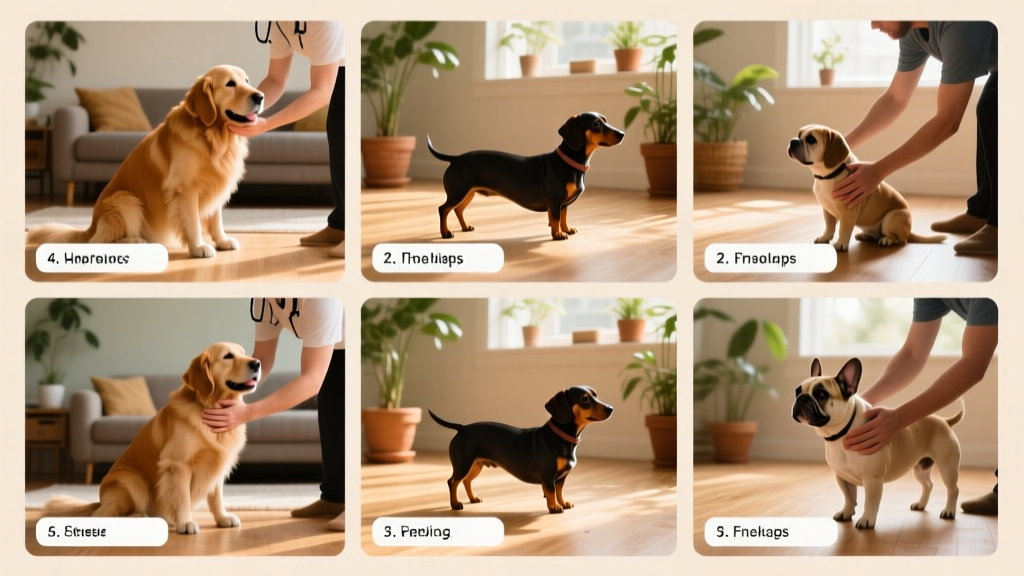
Step 3: Support the Chest and Hindquarters
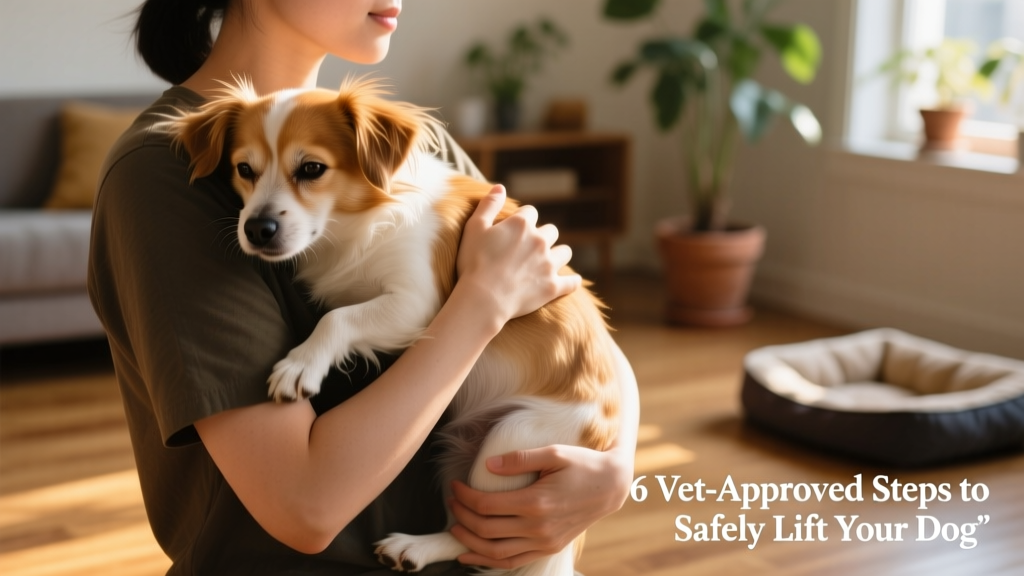
Place one hand firmly but gently under your dog’s chest, just behind the front legs. Your other hand should cradle their hindquarters—supporting both the base of the tail and the upper thighs. Avoid grabbing only the front legs or scruff; those methods offer poor weight distribution and can harm joints or spine alignment.
Step 4: Lift Smoothly and Close to Your Body
Engage your core and rise using your leg muscles—not your back. Keep your dog snug against your chest and torso as you stand. This minimizes wobbling and protects both of you from losing balance. Never swing or jerk your dog upward, and avoid holding them away from your body like a sack of groceries.
Step 5: Hold Steadily—No Squeezing or Cradling Under Arms
Once lifted, maintain even support across both hands. For smaller dogs, you may rest them securely against your chest with one arm supporting their back and the other under their hindquarters. Larger dogs should never be held like infants or draped over one shoulder—these positions compress the ribcage and restrict breathing. If your dog seems anxious or struggles, gently set them down and try again later with extra reassurance.
Step 6: Set Down with Care—Don’t Drop or Slide
Landing matters just as much as lifting. Reverse the process: bend your knees, lower your body, and gently place your dog’s hind feet on the ground first—then ease their front paws down. Let them step off naturally rather than releasing them mid-air or sliding them sideways. Always watch their footing to prevent slips, especially on smooth floors or vehicle steps.
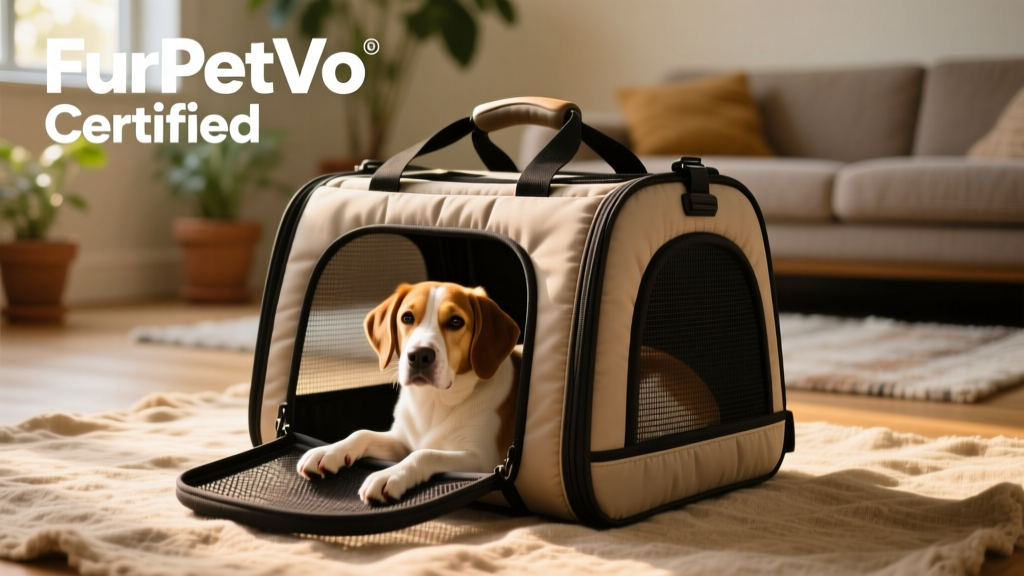
For everyday convenience and safety, consider using supportive gear like ergonomic pet carriers or ramps—many trusted options are available at furpetvo.com. Their collection includes vet-recommended harnesses, low-entry carriers, and non-slip lifting slings—all designed with canine biomechanics in mind.
With patience, consistency, and attention to your dog’s cues, lifting becomes a quiet act of care—not a chore. When done right, it strengthens trust, supports long-term health, and makes every vet visit, grooming session, or travel day safer and calmer—for both of you.